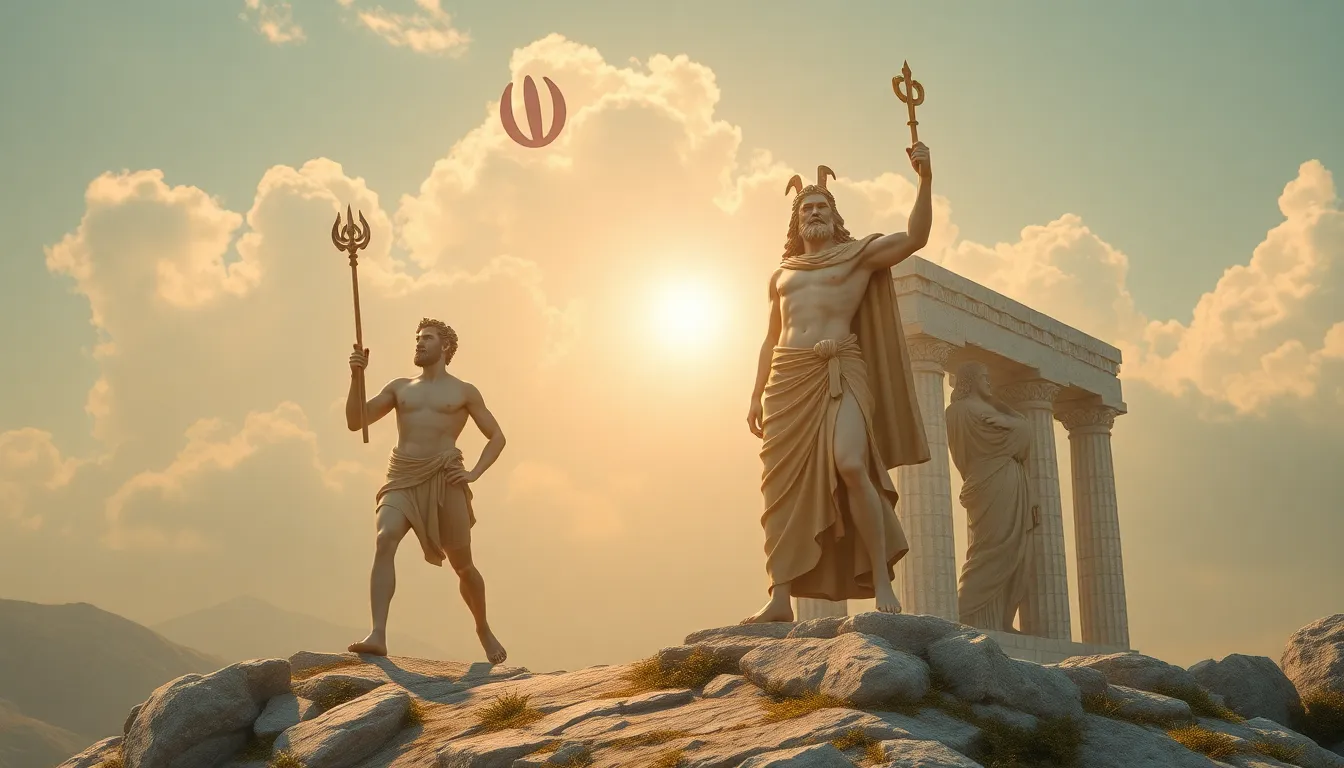
How Greek Gods Influenced Mortal Culture and Society
I. Introduction
Greek mythology, a rich tapestry of stories and characters, has significantly influenced Western civilization’s cultural, moral, and social frameworks. At its core, Greek mythology consists of the tales of gods and goddesses who personify various aspects of life, nature, and human experience. These narratives not only entertained but also provided models of behavior and ethical standards.
The Greek gods played a pivotal role in shaping cultural norms and societal values, offering insights into the human condition through their divine interactions. This article explores the multifaceted influence of Greek mythology on mortal culture, examining how these ancient stories have continued to resonate through the ages.
II. The Pantheon of Greek Gods
A. Introduction to Key Greek Deities
The Greek pantheon is vast, featuring a multitude of deities, each with distinct roles and attributes. Key figures include:
- Zeus – The king of the gods, god of the sky and thunder.
- Hera – Queen of the gods, goddess of marriage and family.
- Athena – Goddess of wisdom, warfare, and crafts.
- Poseidon – God of the sea, earthquakes, and horses.
- Aphrodite – Goddess of love and beauty.
B. Their Characteristics and Domains
Each deity embodies specific characteristics that reflect human traits and natural phenomena. For instance, Zeus symbolizes authority and justice, while Athena represents strategic warfare and intelligence. These traits often mirrored societal ideals and aspirations, influencing how individuals sought to emulate these gods.
C. The Relationship Between Gods and Mortals
The relationship between gods and mortals was complex, characterized by reverence, fear, and a need for favor. Mortals sought to appease the gods through offerings and rituals, believing that divine intervention could alter their fates. The myths often illustrated this relationship, showing both the benevolence and wrath of the gods.
III. Mythology as a Reflection of Human Experience
A. How Myths Address Universal Themes (Love, Power, Fate)
Greek myths delve into universal themes that resonate across cultures and time. Love stories, such as that of Eros and Psyche, explore the complexities of relationships. Tales of power, like that of the Titan Cronus devouring his children, illustrate the cyclical nature of authority and rebellion. Additionally, the concept of fate is poignantly expressed in the stories of Oedipus and the Fates, reminding mortals of the limits of human agency.
B. The Role of Storytelling in Cultural Transmission
Storytelling has always been a crucial method for transmitting culture. Greek myths were passed down orally before being written down, serving as a means to educate and instill values in subsequent generations. These stories provided a framework for understanding the world and humanity’s place within it.
C. Influence of Myths on Moral Lessons and Ethical Behavior
The narratives of Greek mythology imparted moral lessons that guided ethical behavior. For example, stories like that of Icarus warned against hubris and overreaching ambition. Such tales served as cautionary examples, emphasizing the importance of moderation and respect for natural order.
IV. Art and Literature Inspired by Greek Deities
A. Depictions of Gods in Ancient Art Forms (Sculpture, Pottery, Painting)
Greek gods have been immortalized in countless art forms, from intricate pottery to grand sculptures. These artistic representations often showcased the gods’ idealized forms, embodying beauty and strength. Notable examples include:
- The statue of Zeus at Olympia, one of the Seven Wonders of the Ancient World.
- The Parthenon, adorned with sculptures dedicated to Athena.
- Vase paintings depicting mythological scenes, illustrating tales of heroism and divine intervention.
B. Literary Works and Their Representations of Divine Characters
Greek literature, particularly the works of Homer and Hesiod, features gods prominently. In “The Iliad” and “The Odyssey,” divine intervention plays a critical role in shaping the narrative and the fates of characters. Such representations not only highlight the power of the gods but also reflect human struggles and desires.
C. How These Artistic Interpretations Shaped Societal Ideals
The portrayal of gods in art and literature helped shape societal ideals of beauty, heroism, and morality. These depictions influenced how individuals viewed themselves and their aspirations, reinforcing the cultural values of their time.
V. Religion and Rituals: Cult Practices and Worship
A. The Role of Temples and Sacred Sites in Society
Temples dedicated to the gods served as centers of worship and community life. They were not only places of prayer but also hubs for social interaction, commerce, and cultural exchange. Major sites included:
- The Temple of Apollo at Delphi, known for its oracle.
- The Acropolis in Athens, dedicated to Athena.
- The Sanctuary of Zeus at Olympia, site of the ancient Olympic Games.
B. Festivals and Public Celebrations Honoring the Gods
Festivals such as the Dionysia and the Panathenaea were vital to Greek culture, celebrating the deities through theatrical performances, athletic competitions, and communal feasting. These events not only honored the gods but also reinforced social bonds and civic pride.
C. Influence of Religious Practices on Community Cohesion and Identity
Religious practices fostered a sense of identity and belonging among the citizens. By participating in rituals and festivals, individuals connected with their community and heritage, reinforcing shared values and collective memory.
VI. Political and Social Structures Influenced by Divine Authority
A. The Connection Between Rulers and Divine Favor
Throughout history, Greek rulers often claimed divine favor to legitimize their authority. Leaders would invoke the gods to justify their rule and decisions, establishing a connection between governance and the divine will.
B. Divine Right and Its Impact on Governance
The notion of divine right, where rulers were seen as chosen by the gods, played a significant role in the political landscape of ancient Greece. This belief affected how leaders ruled and how citizens perceived their authority, often leading to a blend of politics and religion.
C. Greek Gods as Symbols of Power in Political Discourse
Greek mythology provided powerful symbols for political discourse. References to deities in political rhetoric reinforced the legitimacy of leaders and their policies, as invoking the gods aligned them with higher moral authority.
VII. Legacy of Greek Gods in Modern Culture
A. Continued References in Literature, Film, and Popular Culture
The influence of Greek mythology persists in modern literature, film, and popular culture. From Rick Riordan’s “Percy Jackson” series to movies like “Clash of the Titans,” contemporary narratives often draw upon these ancient stories, reinterpreting them for new audiences.
B. The Influence of Greek Mythology on Contemporary Art and Philosophy
Modern artists and philosophers continue to explore themes from Greek mythology, using these ancient narratives to address contemporary issues. The exploration of human nature, power dynamics, and morality remains relevant, emphasizing the timelessness of these myths.
C. The Ongoing Relevance of Greek Deities in Discussions of Morality and Ethics
Greek deities frequently emerge in discussions surrounding morality and ethics, serving as archetypes for exploring human behavior. Their stories provide frameworks for understanding ethical dilemmas, illustrating the complex interplay between human desires and moral responsibilities.
VIII. Conclusion
The impact of Greek gods on mortal culture is profound and multifaceted, influencing art, literature, religion, politics, and social structures. Their stories have shaped moral lessons and societal values that continue to resonate today. As we reflect on the lasting legacy of Greek mythology, it is clear that understanding these influences is crucial in appreciating the complexities of human culture and experience.
In a world where ancient narratives still inform modern discourse, the stories of Greek gods remind us of the enduring power of mythology to shape our understanding of ourselves and the world around us.