How Greek Myths Are Reflected in Today’s Online Communities
I. Introduction
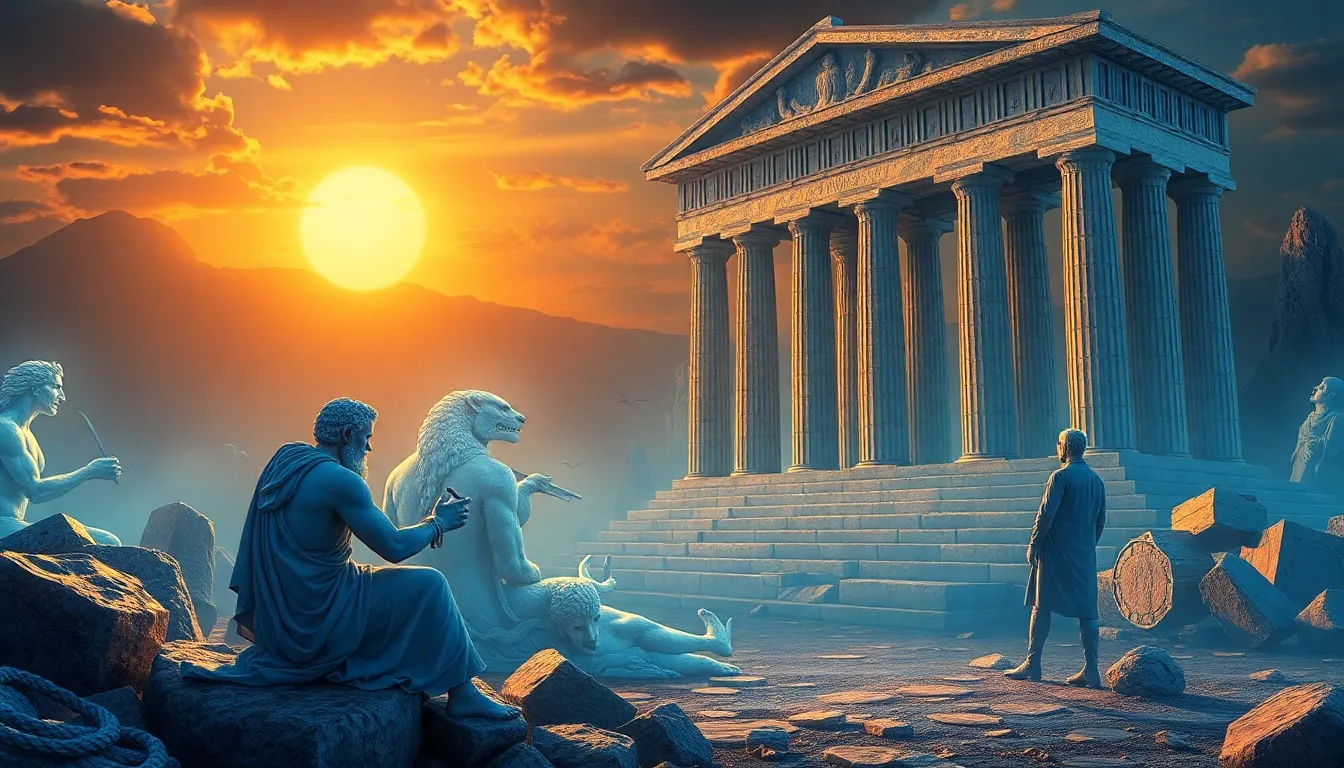
Greek mythology, a rich tapestry of stories and characters, has profoundly influenced Western culture, art, and literature. These myths not only explain the world through the lens of gods, heroes, and monsters but also impart moral lessons that have endured for centuries. As society has evolved, so too have the platforms through which we communicate and interact. In the digital age, online communities have emerged as modern gathering places where individuals share ideas, experiences, and identities.
This article aims to explore the connections between Greek mythology and contemporary online interactions. By examining the archetypes found in myths, the themes of hubris and consequences, and the quest for knowledge and identity, we can gain insights into the human experience that continue to resonate today. Through this lens, we will uncover how ancient narratives shape modern digital behavior.
II. Archetypes and Characters in Online Communities
A. Defining Archetypes in Greek Mythology
Archetypes are recurring symbols or motifs in literature and art that embody universal human experiences. In Greek mythology, characters often represent these archetypes, such as:
- The Hero: Figures like Hercules or Odysseus who embark on quests and face great challenges.
- The Villain: Characters such as Hades or Medusa who embody chaos and opposition.
- The Trickster: Figures like Hermes who use wit and cunning to navigate challenges.
B. Comparison of Mythological Characters with Contemporary Online Personas
In today’s online communities, these archetypes manifest in various forms. For instance:
- The Influencer: Often resembling the hero, influencers embark on personal journeys to gain followers and acclaim.
- The Troll: Echoing the villain archetype, trolls disrupt communities for their amusement, often causing chaos.
- The Meme Creator: Like the trickster, meme creators use humor and satire to comment on societal issues.
C. The Role of Heroes, Villains, and Tricksters in Digital Interactions
Just as in Greek mythology, the dynamics between heroes, villains, and tricksters in online communities shape interactions and narratives. The hero may seek to uplift and inspire, while the villain challenges norms and provokes outrage. The trickster, meanwhile, uses humor to critique and reflect societal values, creating a rich tapestry of interactions that echo ancient tales.
III. Themes of Hubris and Consequences
A. Explanation of Hubris in Greek Myths
Hubris, a common theme in Greek mythology, refers to excessive pride or self-confidence, often leading to one’s downfall. Characters like Icarus and Narcissus serve as cautionary tales about the dangers of overreaching and the consequences that follow.
B. Examples of Hubris in Online Behavior
In the digital realm, hubris manifests in various ways, including:
- Trolling: Users may feel invincible behind a screen, leading them to engage in harmful behaviors.
- Cyberbullying: Individuals may believe their actions are without consequence, disregarding the emotional impact on others.
- Echo Chambers: Users may display an inflated sense of self-righteousness, refusing to engage with differing perspectives.
C. Consequences of Hubris within Digital Spaces
The consequences of hubris online can be severe. Victims of cyberbullying may suffer from anxiety and depression, while communities can become fractured due to trolling and toxic behavior. Furthermore, individuals who engage in hubris may face social ostracism or backlash, reflecting the age-old lessons of Greek tragedy.
IV. The Quest for Knowledge and Identity
A. The Pursuit of Knowledge in Greek Myths
In Greek mythology, the quest for knowledge is often depicted through the journeys of heroes. For example, Odysseus’ journey home is fraught with trials that teach him about loyalty, wisdom, and the human condition. His experiences reflect a deeper search for self-understanding and identity.
B. How Online Communities Facilitate the Search for Identity and Knowledge
Similarly, online communities provide platforms for individuals to explore their identities and share knowledge. Forums, social media, and blogs allow users to:
- Engage in discussions about personal experiences and beliefs.
- Access a vast array of information on various topics.
- Find support and validation from like-minded individuals.
C. Parallels Between Mythological Quests and Personal Journeys in Digital Forums
Just as Odysseus faced challenges that transformed him, individuals in online communities often encounter obstacles that shape their identities. The sharing of stories, successes, and failures fosters a sense of belonging and connection, mirroring the hero’s journey in mythology.
V. The Role of Community and Belonging
A. Greek Myths Emphasizing Community
Greek mythology underscores the importance of community, as illustrated by the pantheon of gods who work together and interact with humans. The relationships among deities reflect social structures and the value placed on collaboration and support.
B. Online Communities as Modern ‘Pantheons’ of Shared Beliefs and Values
Today, online communities serve as modern pantheons where individuals gather around shared beliefs and values. These communities can take various forms:
- Interest Groups: Spaces dedicated to hobbies, professions, or fandoms.
- Support Networks: Groups that provide emotional and practical support for individuals facing challenges.
- Activism Platforms: Communities rallying for social justice, environmental issues, and more.
C. The Significance of Belonging in Both Ancient and Digital Contexts
In both ancient Greek society and modern online culture, the sense of belonging fosters connection and solidarity. The shared experiences and narratives within these communities help individuals navigate their identities, echoing the communal bonds found in mythological tales.
VI. Moral Lessons and Ethical Dilemmas
A. Overview of Moral Lessons Found in Greek Myths
Greek myths often convey moral lessons, addressing themes such as justice, loyalty, and humility. These stories serve as guides for ethical behavior, warning against the consequences of moral failings.
B. Reflection of These Lessons in Discussions and Debates within Online Spaces
In online communities, discussions often mirror these ethical dilemmas. Debates surrounding issues like privacy, respect, and accountability echo the moral lessons of the past:
- Justice and Fairness: Conversations about social justice and equity reflect the ancient pursuit of fairness.
- Accountability: Discussions about online behavior often highlight the need for responsibility in digital interactions.
- Empathy: The importance of understanding diverse perspectives is a recurring theme in ethical discussions.
C. The Ongoing Relevance of Ethical Dilemmas in Digital Interactions
The ethical dilemmas faced in online spaces are reminiscent of those in Greek mythology. As technology advances, the moral lessons from these ancient stories remain vital, guiding our interactions and shaping community standards.
VII. The Influence of Mythology on Online Narratives
A. Storytelling as a Core Element of Both Greek Mythology and Online Culture
Storytelling is a fundamental aspect of both Greek mythology and online culture. Myths were used to convey lessons, entertain, and explain the world, while online narratives serve similar purposes through blogs, vlogs, and social media posts.
B. Examples of How Mythological Narratives Shape Online Content
Mythological narratives have permeated online content in various ways:
- Memes: Many memes draw upon mythological themes or characters to provide humorous commentary on modern life.
- Fan Fiction: Writers often create new narratives that explore mythological characters in contemporary settings, blending ancient tales with modern contexts.
- Digital Art: Artists frequently reinterpret mythological scenes or figures, creating a fusion of ancient and modern aesthetics.