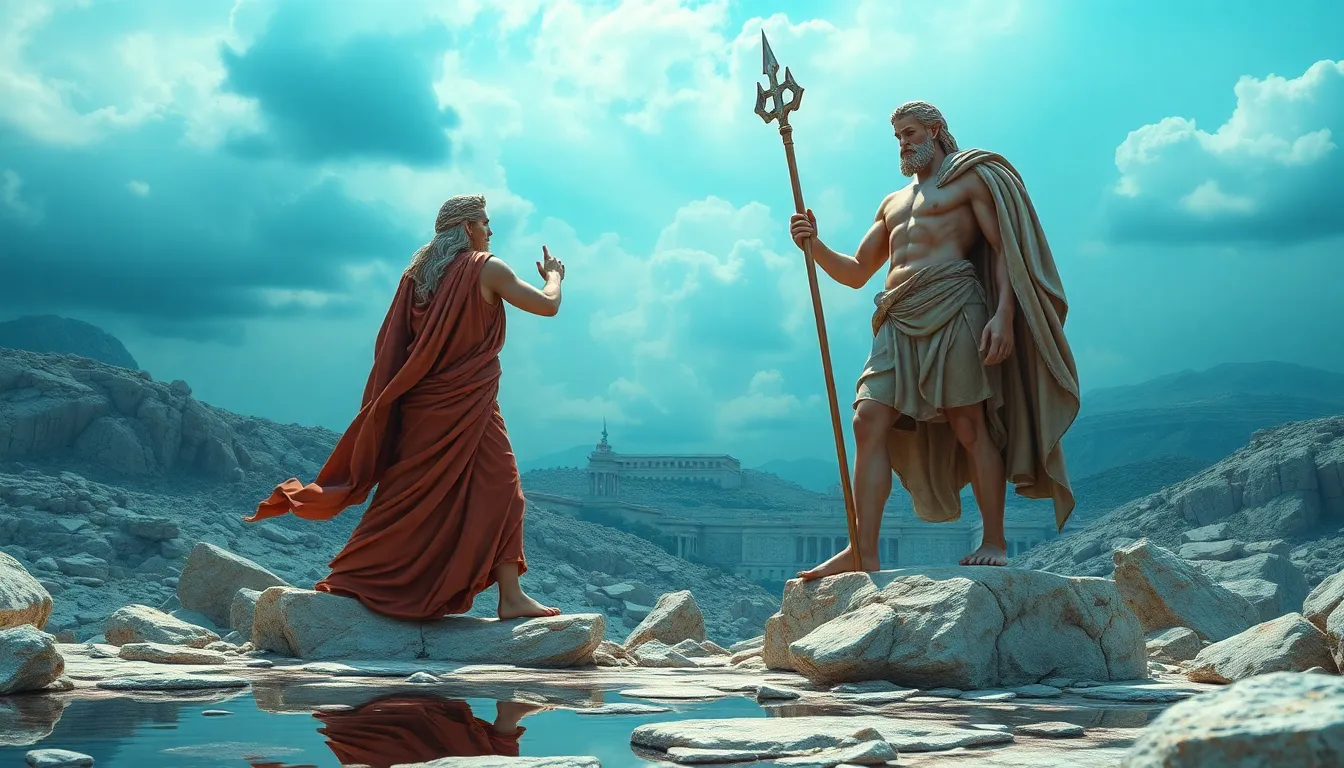
How Greek Myths Are Reflected in Today’s Political Discourse
I. Introduction
Greek mythology is a cornerstone of Western culture, rich with stories that convey timeless themes of power, morality, and human behavior. These myths have shaped literature, art, and philosophy for centuries, influencing not only cultural narratives but also political discourse.
Today, the relevance of these ancient myths persists as they continue to inform contemporary society’s understanding of leadership, authority, and ethical dilemmas. This article explores the profound influence of Greek mythology on modern political discourse, highlighting how these age-old stories resonate within the fabric of today’s political landscape.
II. The Archetypes of Greek Mythology
A. Definition of archetypes and their role in storytelling
Archetypes are universal symbols or themes that recur across various narratives and cultures, serving as fundamental building blocks of storytelling. They help audiences relate to characters and situations, providing a framework through which complex ideas can be understood.
B. Key Greek mythological figures and their symbolic meanings
- Zeus as authority and power: The king of the gods represents ultimate authority and governance, often invoked in discussions about leadership and the exercise of power.
- Athena as wisdom and strategy: The goddess of wisdom, war, and craft symbolizes strategic thinking and enlightened decision-making, making her an ideal reference in discussions about governance and policy.
- Prometheus as rebellion and sacrifice: His myth embodies themes of defiance against tyranny and the consequences of enlightenment, often used in political contexts to discuss resistance to oppressive regimes.
III. Mythological Allusions in Political Rhetoric
A. Use of mythological references in speeches and campaigns
Politicians frequently employ mythological allusions to construct narratives that resonate with their audiences. These references can evoke shared cultural memories and convey complex ideas succinctly.
B. Case studies of politicians invoking Greek myths
1. Historical examples
Throughout history, leaders have drawn on Greek mythology to legitimize their power or articulate their visions:
- Julius Caesar compared himself to Hercules to emphasize his strength and achievements.
- John F. Kennedy likened his vision for America to the ideals of Prometheus, suggesting a need for innovation and sacrifice.
2. Contemporary instances
In modern times, political figures continue to reference Greek myths:
- Barack Obama often invoked themes of hope and renewal, drawing parallels with the hero’s journey of figures like Odysseus.
- Donald Trump referenced Zeus-like authority in his rhetoric about strength and dominance in military and economic policies.
C. Analysis of the effectiveness of these allusions in shaping public perception
Mythological references can enhance the emotional appeal of political messages, making them more memorable and impactful. By tapping into deep-seated cultural narratives, politicians can effectively shape public perception and foster a sense of unity or division.
IV. The Role of Tragedy and Comedy in Politics
A. The influence of Greek tragedy on political narratives
Greek tragedies often explore themes of fate, hubris, and moral conflict, making them relevant to contemporary political issues. Political leaders can find themselves in tragic arcs, facing the consequences of their decisions.
B. The comedic elements of Greek theater and their application in political satire
Comedic elements from Greek theater are utilized in political satire, providing a lens through which audiences can critique and reflect on political realities. Satirists draw on archetypes from Greek plays to highlight absurdities in political behavior.
C. How these genres help frame political issues and public sentiment
Both tragedy and comedy serve as powerful tools for public discourse. They frame political issues in ways that provoke thought, encourage dialogue, and foster critical engagement with current events.
V. Moral Lessons from Greek Myths in Policy Debates
A. Examination of moral dilemmas presented in Greek myths
Greek myths often grapple with deep moral questions, such as justice, loyalty, and the greater good. These dilemmas provide valuable lessons that can inform modern policy debates.
B. Application of these lessons to current political issues
Contemporary political issues can often be reframed using lessons from Greek mythology:
- The myth of Icarus warns against the dangers of overreaching ambition, echoing concerns about reckless economic policies.
- The story of Antigone highlights the conflict between individual conscience and state law, relevant in discussions about civil rights and liberties.
C. The impact of myth-based morality on legislative decisions and public policy
Lawmakers and advocates often invoke moral lessons from myths to justify their positions, influencing public policy and legislative decisions. The alignment of political agendas with mythological narratives can sway public opinion and garner support.
VI. The Hero’s Journey in Political Leadership
A. Analysis of the Hero’s Journey framework in Greek myths
The Hero’s Journey, a narrative structure identified by Joseph Campbell, follows a hero who embarks on an adventure, faces trials, and ultimately returns transformed. This framework is evident in many Greek myths and resonates with the trajectories of political leaders.
B. Parallels between mythical heroes and modern political leaders
Many modern political figures embody aspects of the Hero’s Journey:
- Winston Churchill’s rise during WWII echoes Odysseus’s determination to return home against insurmountable odds.
- Nelson Mandela’s fight against apartheid reflects the transformative journey of figures like Hercules, overcoming trials for a greater cause.
C. Implications for leadership and governance in contemporary politics
The Hero’s Journey suggests that effective leaders must navigate challenges, learn from their experiences, and emerge with a renewed vision. Understanding this narrative can inform how we perceive leadership qualities and governance today.
VII. Critique of Mythological Narratives in Political Discourse
A. The dangers of oversimplifying complex political issues through myth
While mythological narratives can provide insight, they also risk oversimplifying complex political issues, reducing nuanced debates to binary conflicts between good and evil.
B. Potential for manipulation and propaganda using mythological references
Politicians may exploit mythological references to manipulate public sentiment or justify controversial actions. This underscores the need for critical awareness of how myths can be co-opted for political gain.
C. The need for critical engagement with mythological allusions in politics
Engaging critically with mythological references in political discourse is essential. Audiences must discern when these allusions serve to clarify or obfuscate the truth, fostering a more informed citizenry.
VIII. Conclusion
Greek mythology continues to exert a profound influence on political discourse, providing archetypal narratives that shape our understanding of leadership, morality, and societal values. Recognizing these connections is crucial for comprehending the dynamics of contemporary politics.
As we navigate an increasingly complex political landscape, it is vital to critically evaluate how mythological narratives inform our perceptions and beliefs. By doing so, we empower ourselves to engage more thoughtfully in the political discourse that shapes our lives.
We encourage readers to explore these connections further and consider the implications of mythological allusions within the context of their political beliefs and actions.