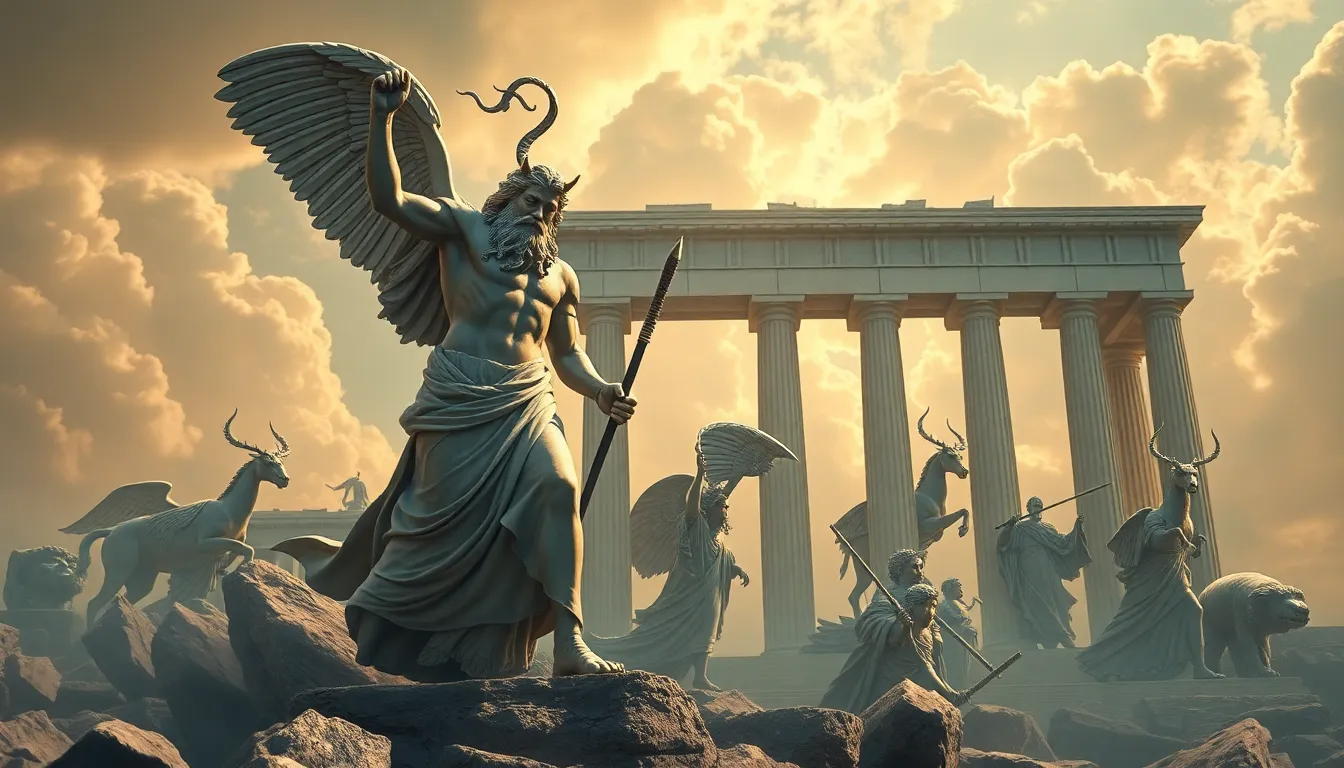
How Greek Myths Are Used in Today’s Political Commentary
Introduction: The Enduring Legacy of Greek Myths
Greek mythology, a rich tapestry of stories, characters, and themes, has played a crucial role in shaping Western culture and thought for centuries. From the tales of gods and heroes to the moral lessons embedded within these narratives, Greek myths continue to resonate with audiences today. Their enduring legacy can be seen not only in literature and art but also in how we understand and discuss contemporary issues, particularly in the realm of politics.
As we navigate the complexities of modern political discourse, it becomes evident that Greek mythology provides a framework through which we can analyze and interpret the actions of leaders, the motivations of movements, and the sentiments of the populace. This intersection of mythology and politics invites us to explore how ancient archetypes and narratives still inform our understanding of the political landscape.
The Archetypes of Greek Myths in Political Narratives
Greek mythology is populated with archetypes that have become foundational to storytelling across cultures. These archetypes include:
- Heroes: Figures like Hercules, who embody strength and virtue.
- Villains: Characters such as Hades or Medusa, representing chaos and opposition.
- Gods: Deities like Zeus and Athena, who symbolize power, wisdom, and intervention in human affairs.
In political commentary, these archetypes serve as powerful tools to frame narratives. For instance, a political leader may be portrayed as a heroic figure battling against the odds, while their opponents might be depicted as villainous forces threatening the common good. This use of archetypes helps to simplify complex political situations, making them more relatable and understandable to the public.
Political Figures as Modern-Day Mythological Characters
Many contemporary politicians can be analyzed through the lens of mythological figures. Their personalities, actions, and public perceptions often echo the traits of these ancient characters. For example:
- Hercules: Politicians who take on monumental tasks and challenges, often framed as saviors or champions of the people.
- Odysseus: Leaders who navigate treacherous political waters, embodying cunning and resilience.
- Persephone: Figures who endure transformation and struggle, often representing the duality of hope and despair.
Case studies include politicians like Franklin D. Roosevelt, who was often likened to Hercules for leading the nation through the Great Depression, or Barack Obama, who drew comparisons to Odysseus for his eloquence and strategic thinking. Such comparisons not only enhance the narrative surrounding these figures but also resonate with the public’s understanding of leadership and heroism.
Mythological References in Political Rhetoric and Speeches
Politicians frequently incorporate mythological references into their speeches to evoke powerful imagery and connect with their audiences. By referencing Greek myths, they can convey complex ideas succinctly and memorably. Notable examples include:
- John F. Kennedy’s inaugural address, where he referenced the heroism of ancient Greece to inspire a generation.
- Bill Clinton’s use of mythological allusions to frame the American Dream as a modern-day quest.
- Barack Obama’s speeches, which often invoked themes of hope and transformation, reminiscent of mythological journeys.
These references serve various purposes, from invoking a sense of shared history to framing contemporary challenges in a grand narrative. By tapping into the collective memory of Greek myths, politicians can enhance their messaging and resonate on a deeper emotional level with their constituents.
The Power of Allegory: Greek Myths as a Tool for Satire
Satire is a potent form of political commentary that often relies on allegorical references to Greek mythology. By drawing parallels between mythological tales and current events, satirists can critique political figures and situations effectively. Examples include:
- Television shows like “The Simpsons,” which frequently use Greek mythological themes to comment on societal issues.
- Political cartoons that depict leaders as gods or monsters, highlighting their flaws and misdeeds.
- Films such as “O Brother, Where Art Thou?” which draws on Homer’s “Odyssey” to critique modern America.
Through these allegorical lenses, satire can expose hypocrisy, corruption, and the absurdities of political life, making complex issues accessible and engaging for the public.
Social Movements and Greek Mythology: A Symbolic Framework
Social movements often draw on Greek mythology to articulate their values and aspirations. By invoking mythological symbols, these movements can create a sense of identity and purpose among their supporters. Some notable examples include:
- The feminist movement, which has utilized figures like Athena and Artemis to represent empowerment and independence.
- The environmental movement, referencing Gaia as a symbol of the Earth and the interconnectedness of life.
- Movements for social justice that draw on the story of Prometheus to symbolize the fight against oppression and the quest for knowledge.
These mythological references provide a rich symbolic framework that can galvanize support and convey the movement’s goals, making the ancient tales relevant to contemporary struggles for justice and equality.
The Critique of Modern Society through Mythological Lenses
Greek myths offer valuable insights into modern society, allowing commentators to critique contemporary social and political issues. Themes such as hubris, fate, and moral consequence resonate deeply with today’s challenges. Examples include:
- The concept of hubris, exemplified by figures like Icarus, serves as a cautionary tale against overreach in political ambition.
- The idea of fate, as seen in the stories of Oedipus, reflects the unpredictability of political outcomes and the consequences of choices.
- Mythological narratives about power and its corrupting influence, such as those surrounding the gods, highlight contemporary concerns about political corruption and abuse of power.
By interpreting current events through the lens of these ancient narratives, commentators can offer profound critiques of society and provoke thoughtful dialogue about the implications of our actions and decisions.
Conclusion: The Relevance of Greek Myths in Today’s Political Landscape
The exploration of Greek mythology’s influence on contemporary political commentary reveals its enduring relevance and power. From archetypes that shape narratives to the allegorical critiques of modern society, Greek myths provide a rich resource for understanding the complexities of our political landscape. As we continue to grapple with the challenges of governance, justice, and identity, the timeless stories of the ancients remind us of the common threads that connect our past to our present.
In a world where political discourse can often feel chaotic and divided, the insights drawn from Greek mythology can help illuminate paths forward, offering wisdom and perspective that remain vital to our ongoing conversations about leadership, morality, and the human experience.