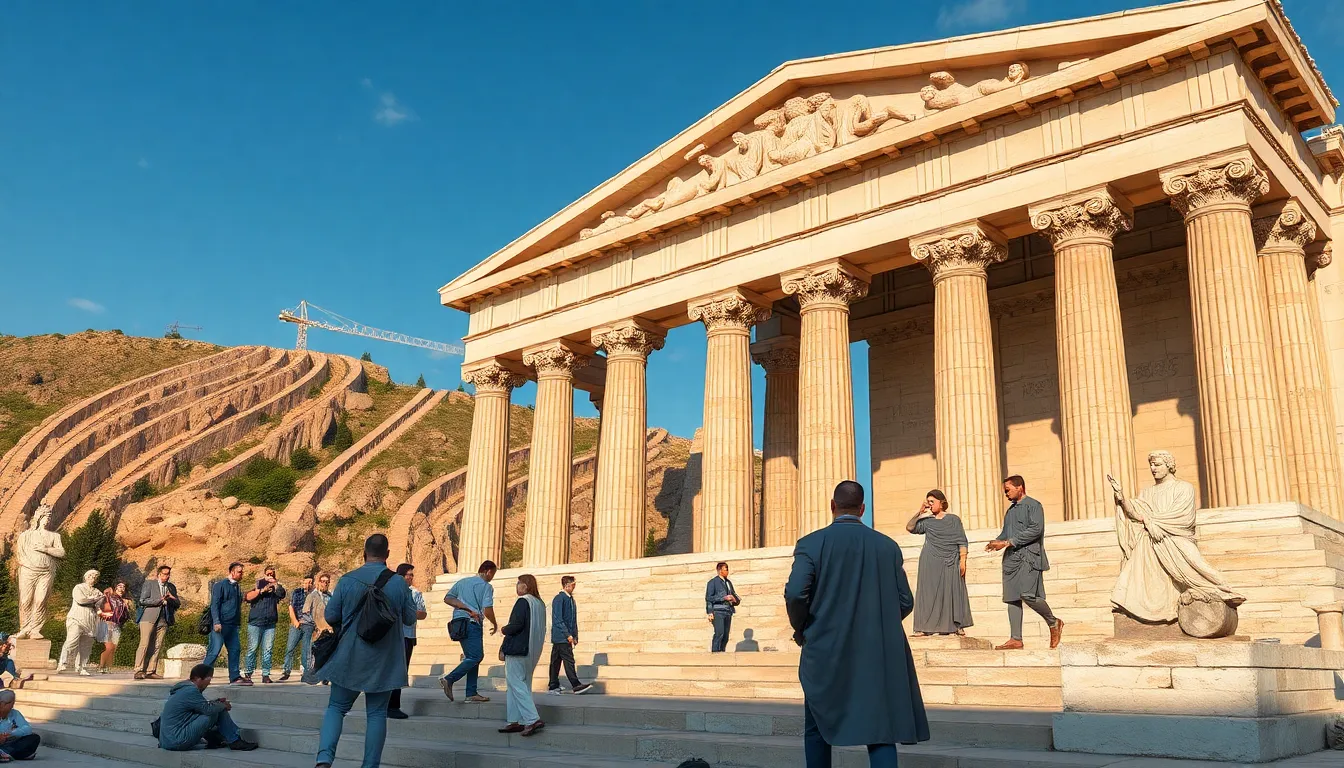
How Greek Myths Influence Modern Day Activism
I. Introduction
Greek mythology is a rich tapestry of stories, characters, and themes that have shaped the cultural landscape of Western civilization for centuries. From the heroic tales of gods and goddesses to the moral lessons embedded in myths, these ancient narratives continue to resonate with audiences today. Their significance extends beyond mere storytelling; they carry profound meanings and values that can inspire and inform contemporary social movements.
In modern society, the relevance of ancient myths often manifests in various forms of activism, where figures from Greek legends are reinterpreted to symbolize struggles against oppression, injustice, and inequality. This article aims to explore the connection between Greek mythology and modern-day activism, highlighting how these timeless stories influence contemporary narratives and inspire change.
II. The Archetypes of Greek Myths
Greek mythology is populated with archetypal figures that embody specific traits and values, serving as symbolic representations of broader human experiences. Notable characters such as Prometheus and Athena illustrate the complexities of human nature and the fight for justice and wisdom.
A. Key figures and their symbolic meanings
- Prometheus: The Titan who defied Zeus by stealing fire for humanity, symbolizing rebellion against tyranny and the quest for knowledge.
- Athena: The goddess of wisdom and warfare, representing strategic thought, courage, and the pursuit of justice.
- Antigone: A tragic heroine who stands for familial loyalty and moral integrity, embodying the spirit of civil disobedience.
https://www.youtube.com/watch?v=EWGQ0eKcqWs
B. The role of archetypes in shaping narratives
These archetypes serve as foundational elements in storytelling, providing frameworks through which modern narratives can be constructed. By drawing on these figures, activists can craft compelling stories that resonate with audiences and convey powerful messages about justice and equality.
C. How these archetypes resonate with modern activists
Activists today frequently invoke these archetypes to illustrate their struggles and aspirations. For example, the imagery of Prometheus is often utilized in discussions about freedom of expression and innovation, while Athena’s wisdom is called upon in debates surrounding gender equality and leadership.
III. Themes of Resistance and Justice
Central to Greek mythology are themes of resistance against oppression and the pursuit of justice, which have become cornerstones of modern activism. The narratives of figures like Prometheus and Antigone continue to inspire individuals and movements fighting against injustice.
A. Prometheus and the fight against oppression
Prometheus’s act of stealing fire represents the quest for enlightenment and the struggle against oppressive systems. His story resonates with those who challenge authoritarian regimes and advocate for civil liberties. Modern-day activists often draw parallels between Prometheus’s defiance and their own battles against societal injustices.
B. Antigone as a symbol of civil disobedience
Antigone’s unwavering commitment to her moral beliefs, even in the face of death, serves as a powerful symbol for civil disobedience. Her story has been embraced by various social movements, emphasizing the importance of standing up for one’s convictions and the moral obligations individuals have to challenge unjust laws.
C. The influence of these themes on current social movements
From environmental activism to civil rights movements, the themes of resistance and justice found in Greek myths are evident. Activists often reference these narratives to frame their struggles, inspire solidarity, and mobilize support for their causes.
IV. Empowerment Through Storytelling
Storytelling has always been a powerful tool for mobilization, and Greek myths provide rich narratives that can empower individuals and communities. The art of storytelling, rooted in these ancient tales, remains a vital aspect of contemporary activism.
A. The power of myth as a tool for mobilization
Myths have the ability to evoke emotions, inspire action, and foster a sense of belonging among individuals. By utilizing mythological narratives, activists can create compelling campaigns that resonate deeply with audiences.
B. Examples of modern campaigns inspired by Greek myths
- The “Prometheus Project,” which aims to promote freedom of speech and innovation in technology.
- Antigone’s Legacy, a campaign that seeks to highlight the importance of civil disobedience in the fight against systemic racism.
- Environmental initiatives that invoke Gaia, the personification of Earth, to emphasize the need for ecological stewardship.
C. Storytelling techniques derived from mythology in activism
Activists often employ techniques such as allegory, metaphor, and archetypal characters to craft their narratives. By framing contemporary issues within the context of mythological stories, they can create a more profound connection with their audience and inspire collective action.
V. Gender Roles and Feminism
Greek mythology provides a complex landscape of female figures, many of whom challenge traditional gender roles and inspire contemporary feminist movements. Understanding these characters can offer valuable insights into gender equality and women’s rights.
A. Female figures in Greek mythology
- Artemis: The goddess of the hunt and wilderness, representing independence and strength.
- Medusa: A symbol of female rage and transformation, often reinterpreted in feminist discourse.
- Demeter: The goddess of agriculture and motherhood, embodying nurturing and resilience.
B. How these figures inspire contemporary feminist movements
Modern feminists draw inspiration from these figures, utilizing their stories to highlight issues such as bodily autonomy, empowerment, and the reclamation of narratives historically dominated by patriarchal interpretations. For instance, the reinterpretation of Medusa as a figure of strength and resilience has become a rallying cry for women reclaiming their narratives.
C. Reinterpretation of myths in the context of gender equality
Activists and scholars alike are reexamining Greek myths, offering new interpretations that challenge traditional narratives and promote gender equality. By highlighting the strength and agency of female figures, these reinterpretations inspire a new generation of activists to fight for women’s rights and social justice.
VI. Environmental Activism and Nature Myths
Greek mythology is rich with narratives that celebrate the natural world and our relationship with it. Myths related to nature have become increasingly relevant in the context of environmental activism, underscoring the urgent need to address ecological issues.
A. Greek myths related to nature and the environment
- Gaia: The personification of Earth, representing the interconnectedness of all life.
- Pan: The god of the wild, symbolizing humanity’s connection to nature and the importance of preserving it.
- Dionysus: The god of wine and festivity, representing the cycles of nature and the importance of ecological balance.
B. The impact of these myths on ecological movements today
Environmental activists often draw on these myths to convey the importance of protecting the Earth and its resources. The narrative of Gaia, in particular, serves as a powerful reminder of our responsibility to care for the planet and all its inhabitants.
C. The relationship between mythological narratives and environmental justice
The stories of Greek mythology highlight the consequences of human actions on the environment and the need for sustainable practices. These narratives can inspire movements focused on environmental justice, emphasizing the need to address the disproportionate impact of environmental degradation on marginalized communities.
VII. Critique and Cultural Appropriation
While Greek myths provide a wealth of inspiration for modern activism, their use must be approached with caution. Cultural appropriation and misinterpretation can undermine the original significance of these stories.
A. The risks of appropriating ancient myths in modern activism
When activists draw on Greek myths without understanding their cultural context, they risk oversimplifying complex narratives and alienating those who hold these stories sacred. This can lead to a disconnect between the intended message and the audience’s perception.
B. The importance of context and sensitivity in using mythological references
It is essential for activists to engage with Greek myths thoughtfully and respectfully. This involves understanding the historical and cultural significance of these stories and acknowledging their roots in ancient Greek society.
C. Balancing inspiration with respectful engagement
Activists can find a balance by using mythological references to inspire action while remaining aware of the potential pitfalls of appropriation. Engaging with scholars and communities knowledgeable about these myths can help ensure that their use is