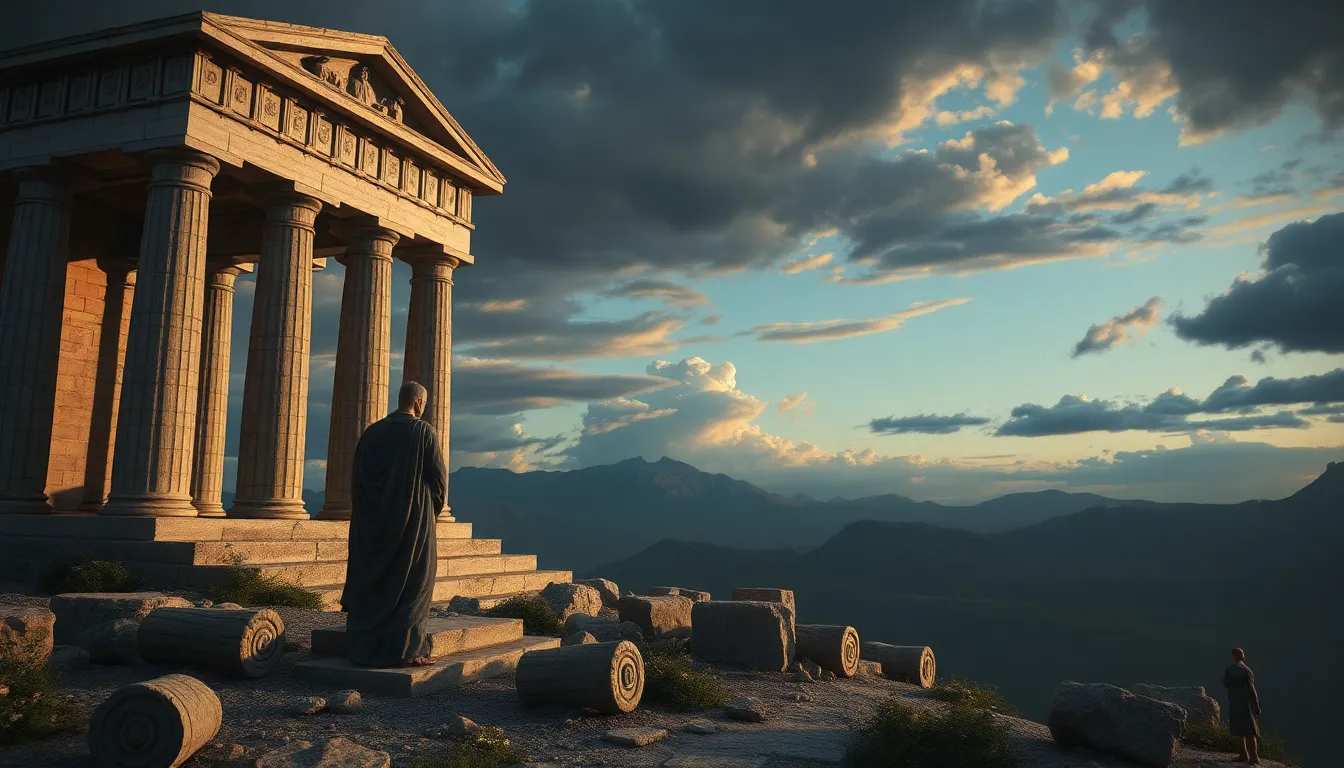
How Greek Myths Inspire Modern Day Storytellers
I. Introduction
Greek mythology stands as one of the most significant and enduring literary and cultural legacies of ancient civilization. The tales of gods, heroes, and mythical creatures have not only captivated audiences for centuries but have also provided a rich tapestry of themes and archetypes that continue to resonate in modern storytelling. This article aims to explore the profound influence of Greek myths on contemporary narratives, highlighting how these ancient stories inspire and shape the works of today’s storytellers.
II. The Enduring Legacy of Greek Myths
A. Historical context and evolution of Greek myths
Greek mythology originated in the ancient Greek civilization, evolving over centuries through oral traditions, literature, and art. The myths were not only a reflection of the Greek understanding of the world but also served as moral and ethical lessons, explaining natural phenomena and human behavior. Key sources of these myths include the works of Homer, Hesiod, and later playwrights like Aeschylus and Euripides, who adapted and expanded upon the existing stories.
B. Key themes and archetypes in Greek mythology
The themes present in Greek mythology are universal and timeless, touching on aspects of the human condition that remain relevant today. Some of the most significant themes include:
- Heroism: The journey of the hero, often marked by trials and tribulations.
- Love: The complexities of romantic and familial love.
- Fate and free will: The tension between destiny and personal choice.
- Justice and revenge: The moral dilemmas faced by characters.
III. Universal Themes in Greek Myths
A. Exploration of love, heroism, and fate
At the heart of many Greek myths are themes of love, heroism, and fate. These themes not only define the characters but also drive the narrative forward. For example, the love story of Orpheus and Eurydice illustrates the lengths one will go to for love, while the tragedies of heroes like Achilles explore the nature of heroism and its consequences. The concept of fate, particularly evident in the tales of Oedipus and the Trojan War, raises questions about the extent to which individuals can control their destinies.
B. The relevance of these themes to modern narratives
These universal themes have found their way into modern narratives, resonating with contemporary audiences. Stories that delve into the complexities of love, the trials of heroism, and the struggle against fate continue to engage readers and viewers, creating a bridge between ancient myths and modern storytelling.
IV. Archetypal Characters and Their Modern Counterparts
A. The hero’s journey: from Perseus to modern protagonists
The archetype of the hero’s journey is prominent in Greek mythology, exemplified by figures such as Perseus, who embarks on a quest to slay Medusa. This journey mirrors the structure of many modern stories, including those found in literature and film. Contemporary protagonists, like Harry Potter or Katniss Everdeen, reflect the same characteristics of courage, resilience, and the quest for identity that are central to Greek heroes.
B. The role of gods and goddesses in contemporary storytelling
In Greek mythology, gods and goddesses play crucial roles, influencing human affairs and embodying various aspects of life. This concept persists in modern storytelling, where divine or supernatural elements often serve as catalysts for character development and plot progression. For instance, in the Marvel Cinematic Universe, characters like Thor and Loki draw inspiration from their mythological counterparts, showcasing the continued relevance of these divine figures.
V. Adaptations in Literature and Film
A. Examples of retellings in novels and films
The influence of Greek mythology is evident in numerous adaptations across literature and film. Notable examples include:
- “Circe” by Madeline Miller: A retelling of the story of Circe, exploring the character’s evolution and her struggles against the gods.
- “The Odyssey” adaptations: Various interpretations, including the animated film “Ulysses 31” and more traditional adaptations, showcase the journey of Odysseus.
B. The impact of these adaptations on audience perception and engagement
These adaptations have introduced Greek myths to new generations, often reinterpreting them to reflect contemporary values and issues. The retellings allow audiences to engage with the myths in fresh ways, fostering a deeper understanding of the original stories while making them accessible to modern readers and viewers.
VI. Greek Mythology in Popular Culture
A. Influence on video games, comic books, and television shows
Greek mythology has permeated popular culture, influencing a wide range of media, including video games, comic books, and television shows. Games such as “God of War” and “Hades” incorporate mythological themes and characters, engaging players through interactive storytelling. Similarly, comic book series like “Wonder Woman” and television shows like “Percy Jackson and the Olympians” draw heavily from mythological source material.
B. Case studies of specific works
Some noteworthy examples include:
- “Hercules” (Disney animated film): A family-friendly adaptation that reimagines the myth of Hercules, balancing humor with heroism.
- “The Last Olympian” by Rick Riordan: A modern take on Greek mythology that resonates with young adult audiences, blending adventure with mythological elements.
VII. The Role of Greek Myths in Modern Creative Writing
A. Techniques for integrating mythological elements into storytelling
Writers today can draw on Greek mythology to enrich their narratives by employing various techniques, such as:
- Character archetypes: Using familiar archetypes like the hero, mentor, or trickster to create relatable characters.
- Themes and motifs: Integrating themes of love, fate, and justice to resonate with readers.
- Modern settings: Placing mythological characters in contemporary contexts to explore timeless issues.
B. The potential for new interpretations and original narratives
The richness of Greek mythology allows for endless reinterpretations and original narratives. Writers can take established myths and twist them to reflect modern sensibilities, exploring contemporary issues such as identity, gender, and power dynamics. This creative freedom facilitates a dialogue between ancient stories and modern experiences, ensuring that Greek mythology remains a vital component of storytelling.
VIII. Conclusion
In conclusion, the influence of Greek mythology on modern storytelling is profound and far-reaching. From the timeless themes of love, heroism, and fate to the archetypal characters that shape contemporary narratives, Greek myths continue to inspire and inform the works of today’s writers, filmmakers, and artists. As we explore these ancient tales, we find that their relevance endures, providing a rich source of inspiration for creative expression across various mediums.
Ultimately, the continuing significance of Greek mythology underscores the power of storytelling itself—an art form that transcends time and connects us to our shared human experience.