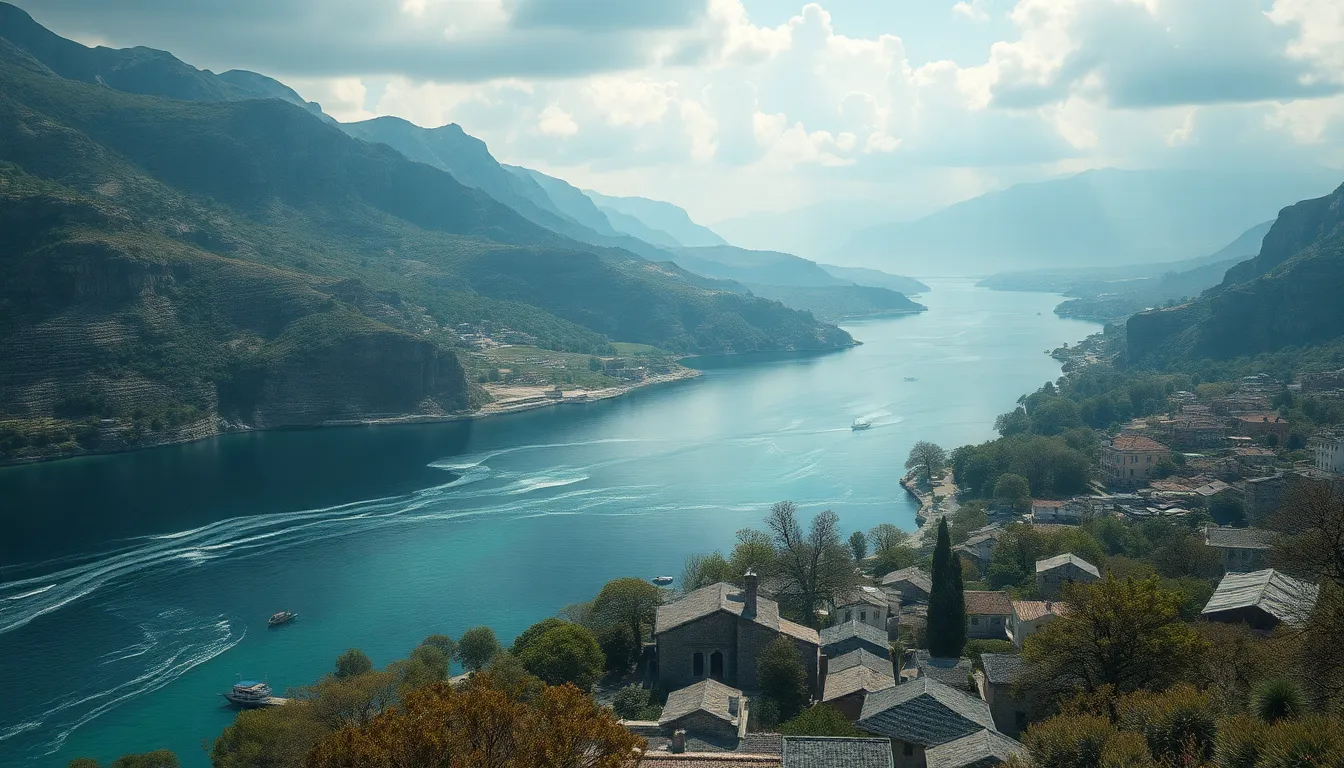
Lethe: The River That Defines the Boundaries of Memory
I. Introduction
In the rich tapestry of Greek mythology, few elements encapsulate the complexities of memory and forgetting as poignantly as the river Lethe. Known as the river of oblivion, Lethe flows through the Underworld, and its waters offer a unique perspective on the human experience of memory. Memory, an essential component of our identity, shapes how we perceive ourselves and the world around us. This article will delve into the symbolism and significance of Lethe, exploring its mythological roots and its implications for understanding memory and the human condition.
II. The Mythological Background of Lethe
Lethe, derived from the ancient Greek word for “forgetfulness,” is one of the five rivers of the Underworld, according to Greek mythology. Its origins can be traced back to various ancient texts, where it is often depicted as a serene and tranquil river, flowing gently through the realm of the dead. Lethe is frequently mentioned alongside other rivers like Styx, Acheron, and Phlegethon, each representing different aspects of the afterlife.
The characteristics of Lethe are marked by its ability to erase memories. Souls who drank from its waters would forget their earthly lives and experiences, allowing them to be reborn without the burdens of their past. This process is integral to the cycle of death and rebirth in mythology, emphasizing the belief in reincarnation and the necessity of forgetting as a means to achieve peace in the afterlife.
III. Lethe and the Concept of Forgetting
The act of drinking from Lethe is a powerful symbol of forgetting. For the souls in the Underworld, the effects of the river are profound; they release the memories of their past lives, allowing for a fresh start in their next incarnation. This process raises important philosophical questions about the nature of forgetting. Is forgetting a necessary aspect of healing and moving forward? Can one truly begin anew without shedding the memories that weigh them down?
In contrast to the pain often associated with memory, Lethe offers a path to tranquility through forgetfulness. The dichotomy between memory and forgetfulness plays a crucial role in human consciousness, where the struggle to balance these elements can define one’s experience of life. While memories can be a source of strength and identity, they can also become burdensome, leading individuals to seek out their own forms of Lethe.
IV. Lethe in Literature and Art
Lethe has been a source of inspiration in classical literature, with references appearing in works by authors such as Homer and Virgil. In Homer’s “Odyssey,” Lethe is mentioned in relation to the souls of the dead, emphasizing its role in the afterlife. Virgil’s “Aeneid” further explores the significance of Lethe, portraying it as a pivotal moment for souls preparing for reincarnation.
Throughout history, Lethe has also been depicted in various artistic interpretations, from ancient pottery to Renaissance paintings. Artists have often illustrated the serene waters of Lethe, capturing its duality as both a source of peace and a reminder of the loss of identity. Modern adaptations of Lethe continue to surface in contemporary works, where the river is metaphorically related to themes of trauma and the human desire to forget.
V. Psychological Perspectives on Memory and Forgetting
The science of memory reveals that forgetting can indeed be beneficial. From a psychological perspective, the ability to forget helps individuals cope with traumatic experiences and move forward with their lives. This aligns with the mythological representation of Lethe, where forgetting is not merely an act of loss, but also a pathway to healing.
Modern psychological theories, such as those related to cognitive processing, suggest that memories are not static and can be reshaped over time. This fluidity of memory allows for personal growth and adaptation, echoing the lessons of Lethe. The role of memory in shaping identity is profound; our memories construct our personal narratives and influence our future decisions.
VI. Lethe as a Metaphor in Modern Contexts
In contemporary society, Lethe serves as a powerful metaphor for trauma and healing. Many individuals grapple with the desire to forget painful memories, seeking solace from experiences that have caused them distress. This longing for oblivion reflects a broader cultural narrative where the pressures of modern life often lead to overwhelming feelings of anxiety and disconnection.
Moreover, the concept of Lethe resonates in discussions about digital memory and information overload. In an age where we are inundated with data and experiences, the ability to forget becomes increasingly complex. The challenge lies in discerning which memories to retain and which to let go, a modern-day reflection of the ancient lessons taught by Lethe.
VII. The Boundaries of Memory: Implications for Humanity
The significance of memory extends beyond the individual, impacting collective identity and cultural heritage. Lethe’s teachings remind us of the delicate balance between remembering and forgetting, which is essential for growth and healing. In our quest for identity, memories help define who we are as individuals and as a society.
As we navigate existential questions about our place in the world, the lessons of Lethe challenge us to reflect on our relationship with memory. How do we honor the past while also allowing ourselves the freedom to forget? The boundaries of memory shape our understanding of humanity, emphasizing the need for both remembrance and release.
VIII. Conclusion
In conclusion, Lethe stands as a profound symbol within Greek mythology, representing the complex interplay between memory and forgetting. Its role in the afterlife serves as a reminder of the importance of memory in shaping our identities, while also highlighting the necessity of letting go for personal growth. As we reflect on our own experiences, the lessons of Lethe invite us to consider our relationship with memory and the impact it has on our lives.
Ultimately, understanding Lethe allows us to appreciate the nuances of the human experience—embracing the memories that define us while also recognizing the power of forgetting in our journey toward healing and transformation.