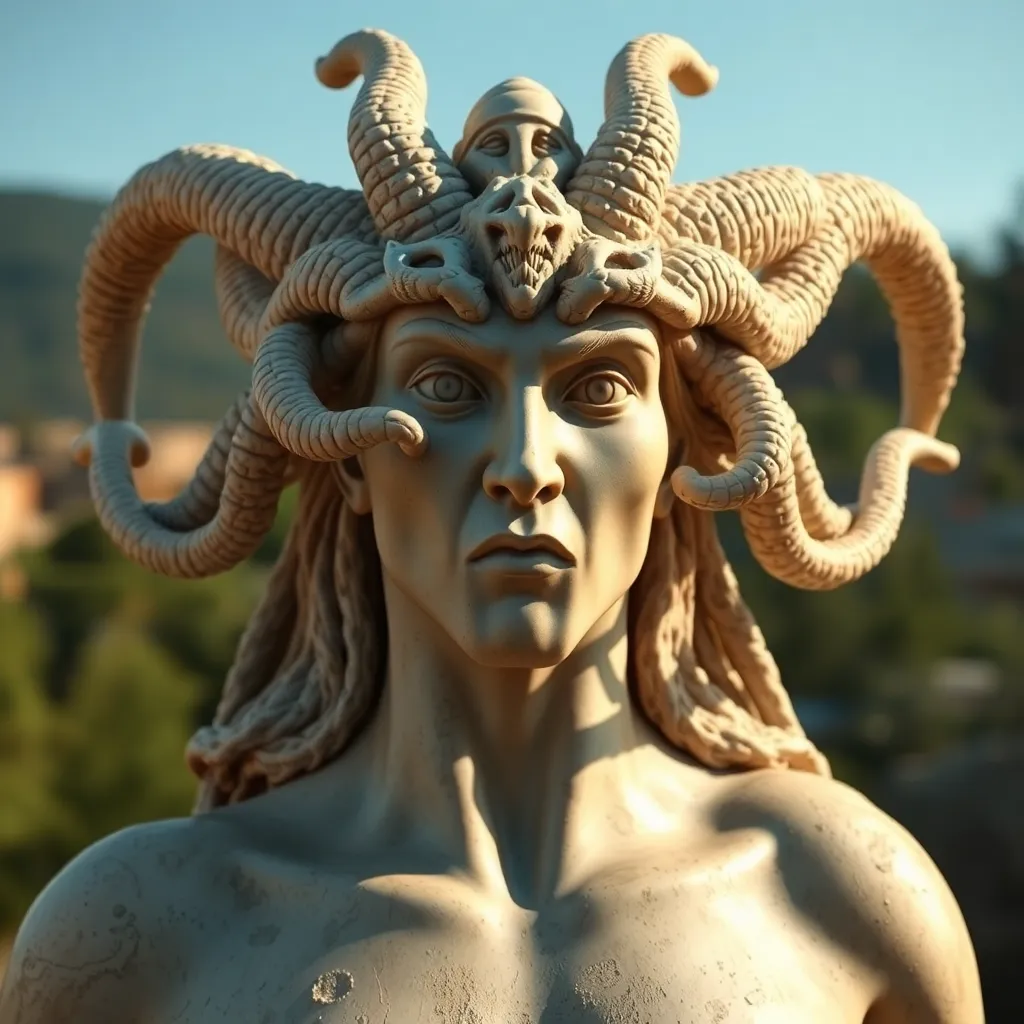
Medusa as a Protector: The Role of Gorgons in Ancient Greek Beliefs
I. Introduction
In the rich tapestry of Greek mythology, Medusa stands out as one of the most intriguing figures, embodying the complex interplay of beauty and monstrosity. The Gorgons, of which Medusa is the most famous, were often depicted as terrifying creatures with snakes for hair and the ability to turn onlookers to stone. However, their role extends beyond mere horror; they were also seen as protectors in various contexts. This article delves into the multifaceted nature of the Gorgons, particularly Medusa, examining their protective roles and significance in ancient beliefs.
By exploring the origins, symbolism, and cultural interpretations of Medusa and the Gorgons, we can better understand their enduring legacy within mythology and their relevance in contemporary discussions about femininity, power, and fear.
II. The Mythological Origins of the Gorgons
The Gorgons are often described as daughters of the sea deities Phorcys and Ceto, aligning them with primordial chaos and the dangers of the unknown. Among the three sisters—Medusa, Stheno, and Euryale—Medusa is unique as the only mortal. Their defining characteristics include:
- Appearance: Hair made of living snakes, sharp fangs, and a gaze that turned people to stone.
- Powers: The ability to petrify anyone who dared to look directly at them.
- Symbolism: Representations of the darker aspects of femininity and the fear of female power.
Medusa’s transformation from a beautiful maiden into a fearsome monster is pivotal in understanding her role in mythology. According to Ovid’s “Metamorphoses,” this change was a punishment by Athena, reflecting themes of jealousy, victimization, and the consequences of beauty. As such, Medusa’s story is steeped in cultural significance, demonstrating the complex interplay between victimhood and monstrosity.
III. The Protective Symbolism of Medusa
Despite her fearsome image, Medusa served as a powerful guardian figure in ancient art and architecture. Her likeness was commonly used in various forms of protection:
- Art and Architecture: Medusa’s head was often carved into temple friezes and doorways, symbolizing protection against evil forces.
- Apotropaic Function: The primary purpose of Medusa’s image was to ward off evil, serving as a talisman to protect individuals and communities.
- Amulets and Talismans: Medusa’s image was frequently incorporated into jewelry and protective charms worn by individuals to safeguard against harm.
These depictions illustrate how Medusa transcended her monstrous identity, becoming a symbol of protection and a guardian against malevolent entities.
IV. Gorgons in Ancient Greek Warfare
The presence of Gorgon imagery in warfare further emphasizes their role as protectors. Gorgons were often depicted in contexts related to battle, serving several functions:
- Symbolic Presence: Soldiers believed that Gorgon imagery on shields and armor would provide strength and protection in combat.
- Depictions on Shields: The image of Medusa was commonly painted on shields, serving as a psychological weapon against enemies by invoking fear.
- Psychological Effects: The fear inspired by Gorgon imagery could demoralize enemies, giving Greek warriors a psychological edge in battle.
This strategic use of Gorgon symbolism highlights the duality of their nature as both terrifying and protective figures in the context of warfare.
V. Medusa in Religious and Ritual Contexts
Medusa’s role extended beyond mythology and warfare into religious and ritual practices. Various aspects underscore her importance:
- Worship and Rituals: In some ancient cultures, Medusa was venerated as a deity associated with protection and fertility.
- Fertility and Protection of Women: Medusa’s image was often linked to the safeguarding of women, particularly during childbirth, reflecting her dual role as both a protector and a symbol of fear.
- Ties to Major Deities: Medusa was often associated with Athena, representing the complexities of female power and the interplay between beauty and monstrosity.
These religious connections illustrate how Medusa was integrated into the spiritual lives of the ancient Greeks, further solidifying her protective associations.
VI. The Dual Nature of Medusa: Protector and Threat
The paradox of Medusa as both a guardian and a monster is a central theme in her mythology. This duality can be explored through several lenses:
- Cultural Interpretations: Medusa’s beauty, before her transformation, reflects societal views on femininity, while her monstrous form symbolizes the fear of female power.
- Evolving Image: Over time, interpretations of Medusa have shifted, with modern depictions often embracing her as a feminist icon, representing empowerment and resilience against oppression.
This evolution in understanding highlights the changing perceptions of beauty, fear, and power in relation to female figures in mythology.
VII. Comparisons with Other Cultures
Medusa’s protective qualities resonate with similar figures across various mythologies worldwide:
- Protective Figures: Many cultures have deities or monsters that serve as protectors, such as the Hindu goddess Kali, who embodies both creation and destruction.
- Gorgon-like Beings: Other mythologies feature beings with similar traits, such as the Slavic Baba Yaga or the Egyptian goddess Sekhmet, who balance protection and danger.
- Universal Themes: The motif of protective monstrosity is a common thread, reflecting humanity’s complex relationship with fear and safety.
This cross-cultural analysis underscores the universal themes found in mythology, revealing shared human experiences and values.
VIII. Conclusion
In conclusion, Medusa’s role as a protector in ancient Greek beliefs is multifaceted and complex. From her origins as a beautiful maiden to her transformation into a fearsome Gorgon, Medusa embodies the dual nature of femininity, power, and protection. The Gorgons serve as symbols of both fear and guardianship, illustrating the cultural significance of these figures in ancient narratives.
The enduring legacy of the Gorgons in literature, art, and modern interpretations reflects their relevance in contemporary discussions about identity, power, and femininity. As we continue to explore mythology and cultural symbols, the story of Medusa invites reflection on the complexities of human experience, the nature of protection, and the interplay of beauty and fear.