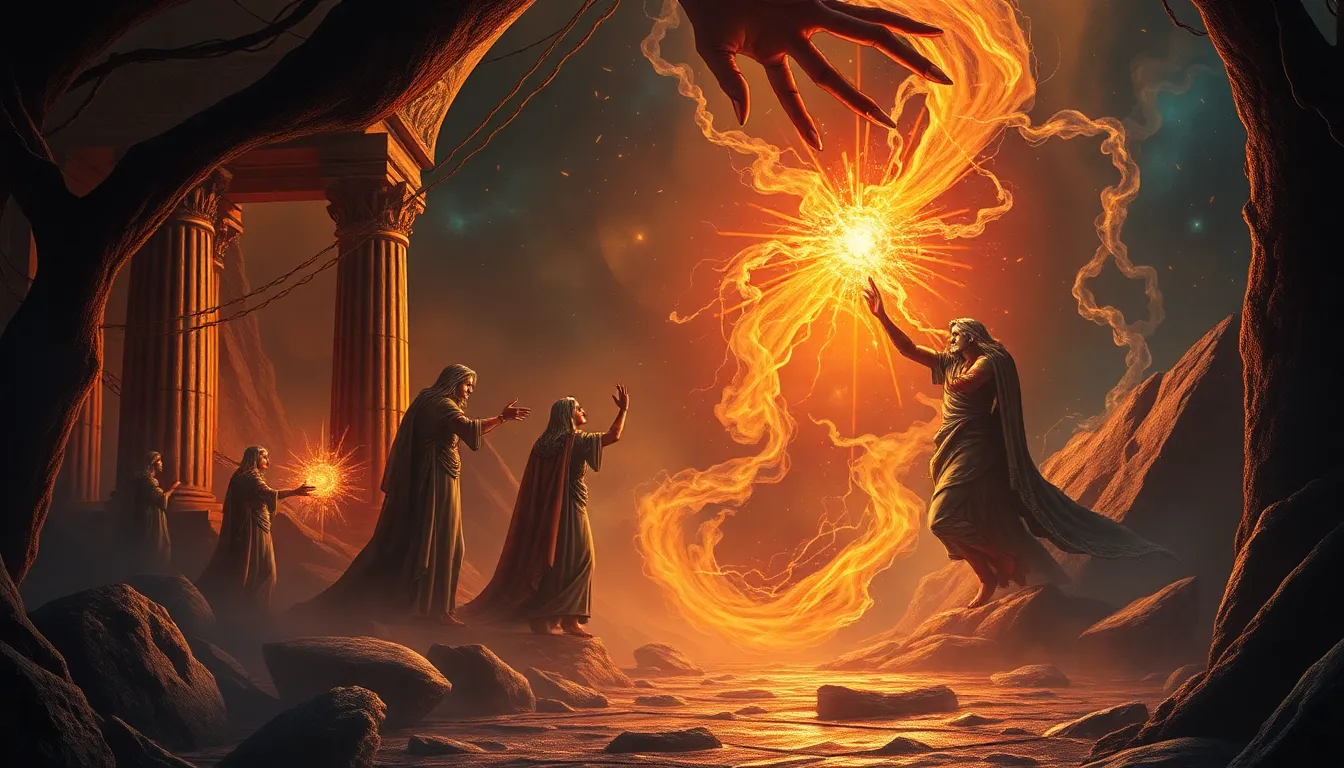
Mythology and Magic: The Connection Between Greek Legends and Fantasy Literature
I. Introduction
Mythology is a collection of stories and legends that explain the beliefs, traditions, and history of a culture. It serves as a vital component of cultural identity, offering insights into human behavior, morality, and the natural world. Greek mythology, in particular, is rich with tales of gods, heroes, and mythical creatures, reflecting the values and struggles of ancient Greek society.
Fantasy literature, on the other hand, is a genre characterized by magical elements, imaginary worlds, and the exploration of heroic journeys. It often delves into themes of good versus evil, the quest for identity, and the battle against overwhelming odds. In this article, we will explore the profound connection between Greek mythology and modern fantasy literature, examining how ancient legends continue to influence contemporary storytelling.
II. Greek Mythology: An Overview
A. Key figures and deities in Greek mythology
Greek mythology is populated with a pantheon of gods and goddesses, each representing various aspects of life and nature. Some of the most prominent figures include:
- Zeus: King of the gods, ruler of Mount Olympus, and god of the sky and thunder.
- Hera: Queen of the gods, goddess of marriage and family.
- Poseidon: God of the sea, earthquakes, and horses.
- Athena: Goddess of wisdom, warfare, and crafts.
- Hades: God of the underworld and the dead.
- Apollo: God of the sun, music, and prophecy.
- Dionysus: God of wine, fertility, and festivity.
B. Major myths and their moral lessons
Greek myths often contain moral lessons that reflect the values of ancient Greek society. For example:
- The tale of Prometheus teaches the importance of foresight and the consequences of defying the gods.
- The story of Icarus serves as a cautionary tale about hubris and the dangers of overreaching one’s limits.
- Hercules’ labors illustrate the virtues of strength, perseverance, and redemption.
C. The role of myth in ancient Greek society
Myths played a crucial role in ancient Greek culture, serving as a way to explain natural phenomena, justify social norms, and provide entertainment. They were often recited in festivals and gatherings, reinforcing communal values and beliefs.
III. The Elements of Magic in Greek Myths
A. Types of magic and supernatural powers in myths
Magic in Greek mythology manifests in various forms, including:
- Divination: The practice of seeking knowledge of the future or the unknown through supernatural means.
- Transformative magic: The ability to change one’s form, as seen in the stories of Circe and her ability to transform men into animals.
- Healing magic: Powers associated with deities like Asclepius, the god of medicine.
B. Notable magical artifacts and their significance
Magical artifacts in Greek mythology often play a central role in the narratives. Some notable examples include:
- The Golden Fleece: A symbol of authority and kingship, sought after by Jason and the Argonauts.
- The Shield of Achilles: A masterpiece of craftsmanship that embodies the hero’s glory and fate.
- The Apple of Discord: A golden apple that sparked the events leading to the Trojan War.
C. The portrayal of witches and sorcerers in Greek legends
Witches and sorcerers in Greek mythology often embody the duality of magic, representing both its beneficial and destructive powers. Figures like Medea and Circe illustrate the complexities of magic, showcasing its potential for both healing and harm.
IV. Fantasy Literature: Origins and Evolution
A. Brief history of fantasy literature
Fantasy literature has roots that stretch back to ancient myths and folklore. Its evolution can be traced through various literary movements, including:
- The epic poems of ancient civilizations, such as the Epic of Gilgamesh and Homer’s Iliad and Odyssey.
- The medieval romances featuring knights and mythical creatures.
- The emergence of modern fantasy with authors like J.R.R. Tolkien and C.S. Lewis, who drew heavily from ancient myths.
B. Key characteristics that define the genre
Fantasy literature is characterized by several defining elements, including:
- Imaginary worlds with their own rules and logic.
- Magical systems that govern the use of supernatural powers.
- Epic quests undertaken by heroes facing formidable challenges.
C. Influence of folklore and mythology on the development of fantasy
Folklore and mythology have significantly influenced fantasy literature, providing a rich tapestry of themes, characters, and plots. Authors often draw inspiration from mythological archetypes and stories, weaving them into new narratives that resonate with contemporary audiences.
V. Intertextual Connections: Greek Myths in Fantasy Literature
A. Direct adaptations of Greek myths in fantasy works
Many modern fantasy works directly adapt themes and characters from Greek mythology. For instance:
- Rick Riordan’s Percy Jackson & The Olympians series reimagines Greek gods and heroes in contemporary settings.
- Madeline Miller’s Circe presents a retelling of the life of the infamous sorceress, highlighting her complexities and struggles.
B. Thematic parallels between Greek mythology and fantasy narratives
Themes such as heroism, destiny, and the struggle against evil are prevalent in both Greek mythology and fantasy literature. Both genres explore the journey of the hero, often facing trials that test their character and resolve.
C. Case studies of notable fantasy authors influenced by Greek mythology
Several contemporary fantasy authors have drawn inspiration from Greek myths:
- Rick Riordan: His works not only adapt Greek mythology but also intertwine it with modern life, making ancient tales accessible to young readers.
- Philip Pullman: In His Dark Materials, he incorporates mythological elements, including references to the underworld and divine beings.
VI. The Role of Heroes and Archetypes
A. Comparison of Greek heroes with fantasy protagonists
Greek heroes such as Hercules, Theseus, and Odysseus share many qualities with fantasy protagonists. They often embark on epic quests, face insurmountable odds, and undergo significant personal growth throughout their journeys.
B. The Hero’s Journey and its roots in mythology
The concept of the Hero’s Journey, popularized by Joseph Campbell, has its roots in mythological narratives. This archetypal structure involves stages such as:
- Call to Adventure
- Crossing the Threshold
- Trials and Challenges
- Return with the Elixir
C. How archetypes from Greek myths shape modern fantasy characters
Archetypes such as the mentor, the trickster, and the hero’s nemesis, drawn from Greek mythology, continue to influence the characterization in modern fantasy literature. These archetypes provide a familiar framework that resonates with readers across cultures and generations.
VII. The Enduring Legacy of Greek Mythology in Contemporary Fantasy
<h