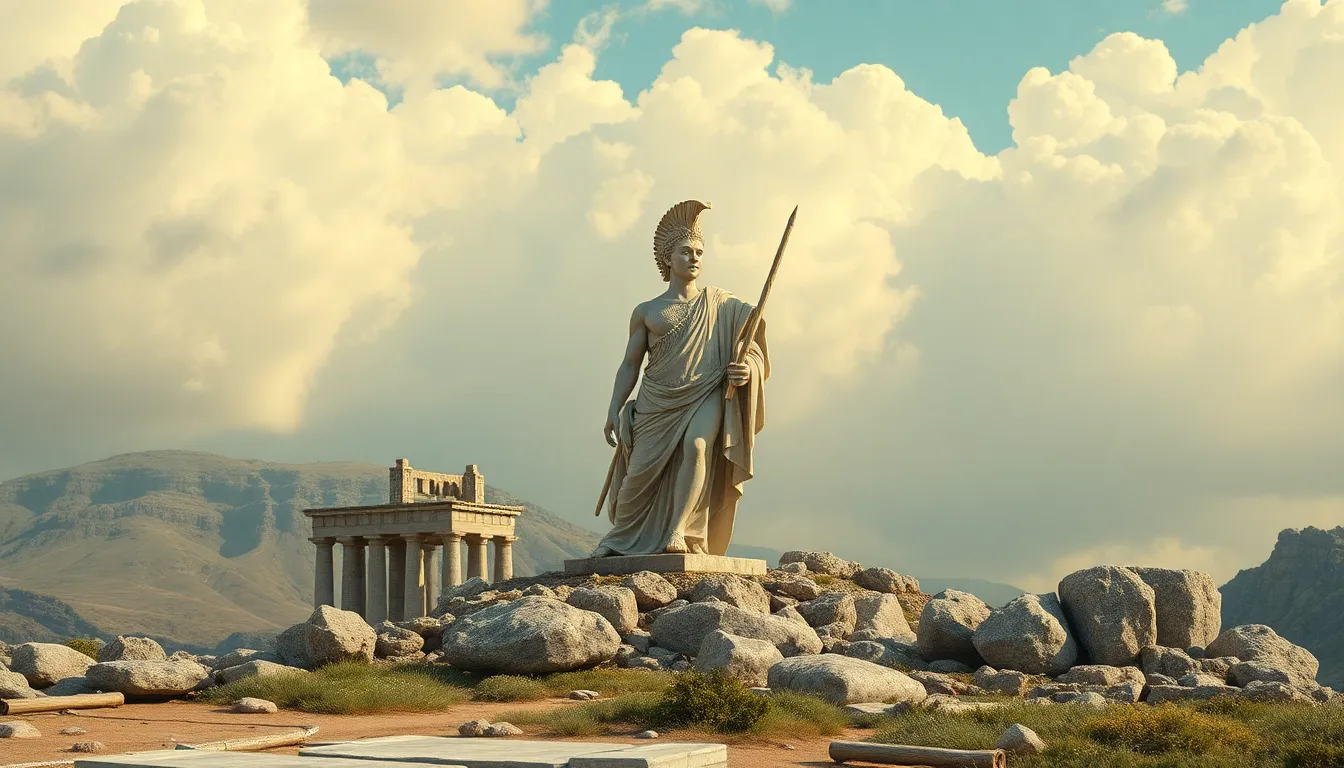
Mythology in the Age of Streaming: Greek Legends on Screen
I. Introduction
The resurgence of Greek mythology in contemporary media has captivated audiences worldwide, with its rich tapestry of gods, heroes, and epic tales. Through various adaptations, these ancient narratives have found a new life, adapting to the tastes and interests of modern viewers.
Streaming platforms have dramatically transformed storytelling, allowing for a broader exploration of cultural narratives. This shift has enabled creators to delve deeper into the complexities of mythological tales, presenting them in innovative formats that resonate with contemporary audiences.
This article aims to explore the portrayal of Greek legends in modern streaming content, examining how these timeless stories are reinterpreted for the screen and the cultural implications of these adaptations.
II. The Evolution of Greek Mythology in Popular Culture
A. Historical context: From ancient texts to modern adaptations
Greek mythology has long been a cornerstone of Western literature, originating from ancient texts such as Homer’s “Iliad” and “Odyssey,” and Hesiod’s “Theogony.” Over the centuries, these stories have been retold in various forms, from classical theatre to literature, and now to the screen. Each era has brought a unique interpretation of these ancient tales, reflecting contemporary values and societal concerns.
B. Key themes and motifs in Greek mythology that resonate today
Several themes from Greek mythology continue to resonate with modern audiences, including:
- Heroism and Sacrifice: The journey of heroes like Odysseus embodies the struggles and triumphs of the human experience.
- Fate and Free Will: The tension between destiny and personal choice remains a compelling narrative arc that speaks to contemporary dilemmas.
- Gods and Mortals: The interactions between divine beings and humans highlight the complexities of morality and power.
C. The influence of earlier cinematic portrayals on current interpretations
Previous cinematic adaptations, such as “Clash of the Titans” and “300,” have paved the way for modern storytelling. These films introduced audiences to the grandeur and drama of Greek mythology but often prioritized spectacle over authenticity. Today’s creators are learning from these past portrayals, striving to balance visual flair with richer character development and narrative depth.
III. Major Streaming Platforms and Their Contributions
A. Netflix: A new home for mythological retellings
Netflix has emerged as a significant player in the realm of mythological adaptations. The platform’s willingness to invest in diverse storytelling has led to the creation of series that explore Greek mythology from fresh perspectives. For example, “Blood of Zeus” reimagines the myth of Heron, blending action and drama with rich animation.
B. Amazon Prime Video: Blending history with fantasy
Amazon Prime Video has also made notable contributions, particularly with series like “Troy: Fall of a City.” This adaptation explores the Trojan War through a modern lens, combining historical elements with fantastical aspects, allowing viewers to engage with the story in new and exciting ways.
C. Disney+: Modernizing classic tales for family audiences
Disney+ has taken a family-friendly approach to Greek mythology, aiming to introduce younger audiences to these classic tales. Their adaptations, such as the animated “Hercules,” offer a whimsical and accessible interpretation of the myths, ensuring that these stories remain relevant for future generations.
IV. Notable Series and Films Featuring Greek Mythology
A. “Blood of Zeus”: A fresh take on ancient narratives
“Blood of Zeus” stands out as a significant animated series that delves into the lesser-known myths of Greek mythology. It tells the story of Heron, a young man who discovers his divine heritage and must confront the forces of evil threatening both gods and mortals. With stunning visuals and a compelling narrative, it brings a new dimension to familiar legends.
B. “Troy: Fall of a City”: Revisiting the Trojan War
The miniseries “Troy: Fall of a City” presents a dramatized retelling of the events surrounding the Trojan War. This adaptation emphasizes the human elements of the story, exploring the motivations and emotions of its characters, thus providing a deeper understanding of their actions and consequences.
C. “Percy Jackson” series: Bridging young adult literature with streaming
The upcoming “Percy Jackson” series aims to bring Rick Riordan’s beloved books to life on screen. By appealing to a younger audience, it offers a modern interpretation of Greek mythology, showcasing how these ancient tales can be relevant to new generations.
V. The Role of Modern Storytelling Techniques
A. Visual effects and animation in bringing myths to life
Advancements in visual effects and animation technology have revolutionized how Greek myths are depicted. Creators can now bring fantastical elements and epic battles to life, immersing audiences in the grandeur of ancient tales. Shows like “Blood of Zeus” exemplify how animation can enhance storytelling, allowing for creative freedom that traditional live-action adaptations might struggle with.
B. Non-linear narratives and character development in adaptation
Modern storytelling often employs non-linear narratives, which allow for a more complex exploration of characters and themes. This technique can be seen in adaptations that weave together multiple timelines and perspectives, providing a richer understanding of the mythological world.
C. Cultural sensitivity and inclusivity in retelling ancient stories
As audiences become more diverse, creators are increasingly aware of the need for cultural sensitivity in adaptations. This involves portraying characters and narratives in ways that respect the origins of the myths while also making them relatable to a modern audience. Inclusivity in casting and storytelling helps to bridge the gap between ancient and contemporary cultures.
VI. Audience Reception and Cultural Impact
A. Viewership trends and demographics engaging with mythological content
The resurgence of interest in Greek mythology has led to significant viewership across different demographics. Streaming platforms have provided data indicating that younger audiences, particularly millennials and Gen Z, are increasingly engaging with mythological content, often sharing their thoughts and insights on social media.
B. Critical responses and academic discourse on these adaptations
Critics and scholars have begun to examine these adaptations more closely, analyzing their fidelity to original texts and their cultural implications. Discussions around how these stories are adapted for modern audiences often highlight the balance between entertainment and educational value.
C. The role of fandom and community in sustaining interest in mythology
Fandom plays a crucial role in sustaining interest in Greek mythology. Online communities, forums, and social media platforms allow fans to discuss adaptations, share theories, and celebrate their favorite characters and stories. This communal aspect enhances engagement and encourages a deeper exploration of the myths themselves.
VII. Challenges and Critiques of Adaptations
A. Balancing authenticity with creative liberties
One of the significant challenges in adapting Greek mythology lies in balancing authenticity with creative liberties. While some adaptations strive to remain faithful to the source material, others take significant liberties for the sake of narrative cohesion or audience appeal. This can lead to debates about what constitutes a “true” representation of the myths.
B. Misrepresentation and cultural appropriation concerns
Adaptations can sometimes risk misrepresenting the cultural significance of the myths or appropriating elements without proper context. This raises questions about the responsibility of creators to honor the origins of the stories they tell and to engage with the cultures they draw from sensitively.
C. The potential consequences of oversimplifying complex myths
Oversimplifying complex myths can lead to misunderstandings and a loss of the richness that these stories offer. When adaptations focus solely on action or sensationalism, they may overlook the philosophical and moral lessons embedded within the tales, undermining their significance.
VIII. Conclusion
In summary, Greek mythology continues to hold a significant place in the streaming era, finding new life through innovative adaptations that resonate with modern audiences. The fusion of ancient narratives with contemporary storytelling techniques has revitalized interest in these timeless tales.
Looking to the future, we can expect continued exploration of mythological adaptations, with creators pushing boundaries and experimenting with formats to engage audiences. As long as there is a thirst for stories that reflect our shared humanity, the enduring power of Greek myths will remain a vital part of contemporary storytelling.
Ultimately, the adaptations of Greek mythology in today’s media landscape not only entertain but also invite reflection on the human condition, ensuring that these ancient legends will continue to inspire and captivate for generations to come.