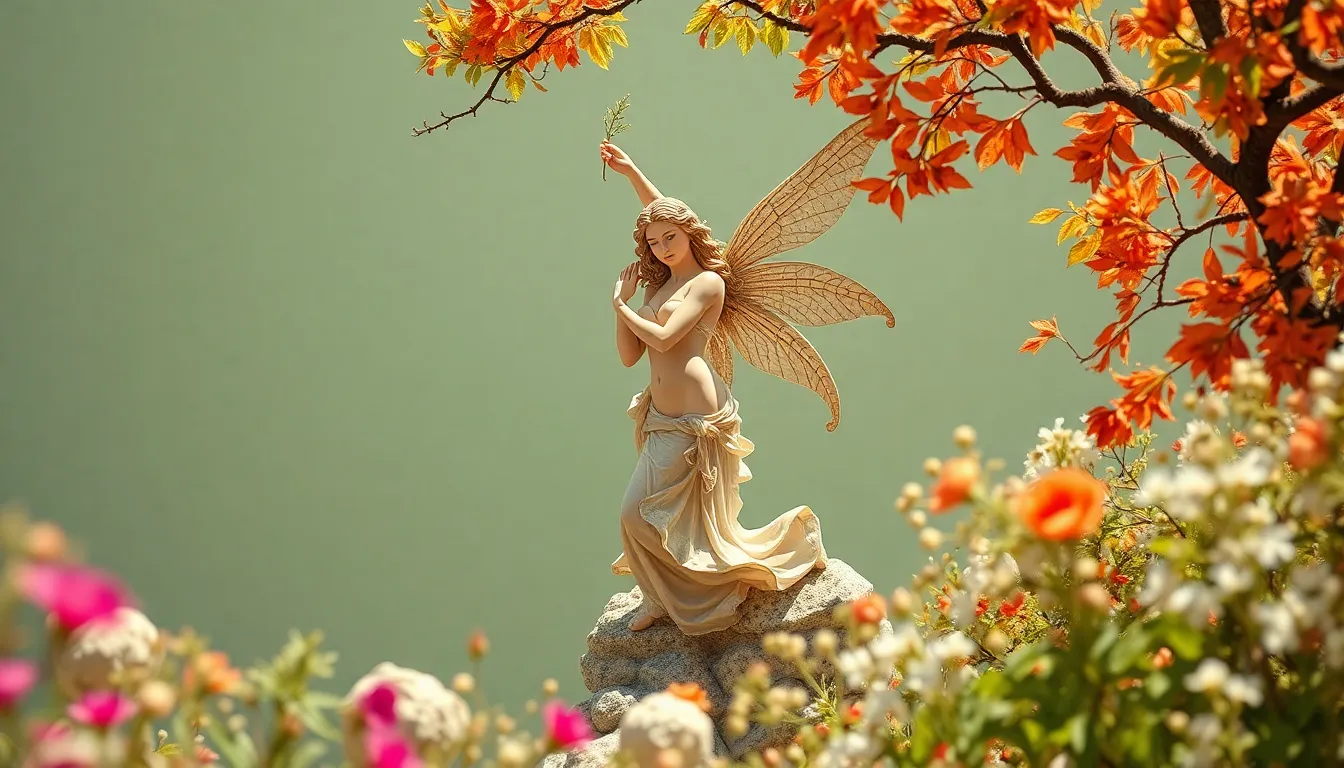
Nymphs and the Seasons: How They Represent Change in Nature
I. Introduction
Nymphs are enchanting figures in mythology and folklore, often depicted as beautiful maidens associated with various aspects of nature. They embody the spirit of the natural world, serving as protectors of the elements and symbols of fertility. In Greek mythology, nymphs are not just mere companions of gods; they are vital embodiments of the earth’s vitality and beauty.
The seasonal cycle in nature is a profound representation of change, encompassing a rhythm of birth, growth, decay, and renewal. As the seasons shift from the warmth of spring to the cold of winter, they mirror the cycles of life that nymphs personify.
This article aims to explore the intricate connection between nymphs and the seasonal changes, examining how these mythical beings reflect the transformations of nature throughout the year.
II. The Role of Nymphs in Mythology
Nymphs are classified into various types, each associated with specific natural elements:
- Naiads: Water nymphs who inhabit rivers, streams, and springs.
- Dryads: Tree nymphs, particularly those connected to oak trees.
- Oreads: Mountain nymphs who dwell in the highlands and rugged terrains.
Culturally, nymphs hold significant importance across different civilizations. In Greek mythology, they are often depicted as companions of gods and heroes, participating in various adventures and stories. They symbolize youth, beauty, and the nurturing aspects of nature.
Nymphs serve as powerful symbols of nature and fertility, reflecting the life-giving forces of the earth. Their presence in myths often signifies the interconnectedness of human experiences with the natural world.
III. Spring: The Awakening of Nature
With the arrival of spring, nature awakens from its winter slumber. Nymphs associated with this season, particularly springtime Dryads, embody the essence of renewal and rebirth. As flowers bloom and trees regain their leaves, these nymphs are seen as facilitators of growth and fertility.
The symbolism of renewal in spring is reflected in various myths where nymphs encourage the flourishing of flora and fauna. They are often depicted dancing in meadows, celebrating the return of life after the cold winter months.
Spring nymphs play a crucial role in fertility and growth, nurturing the earth and ensuring the continuation of life. Their involvement in agricultural myths often highlights their importance in ensuring bountiful harvests.
IV. Summer: Abundance and Vitality
Summer is characterized by warmth, vitality, and abundance. The nymphs of summer are often portrayed as playful and vibrant, embodying the peak of nature’s energy. They are the guardians of lush landscapes, filled with blooming flowers and thriving wildlife.
During summer, the celebration of life is paramount. Nymphs are often depicted leading festivities, dancing under the sun, and enjoying the richness of the season. They symbolize the joy and exuberance that summer brings, reflecting the fullness of life.
Summer nymphs are seen as embodiments of nature’s vibrancy. Their presence represents the flourishing of crops and the abundance of resources, crucial for sustaining life throughout the year.
V. Autumn: Transformation and Harvest
As summer transitions into autumn, the nymphs linked to this season, such as harvest Dryads, reflect themes of change and transition. Autumn is a time of preparation for the coming winter, where the earth’s bounty is gathered, and nature begins to slow down.
The significance of autumnal nymphs in folklore is often tied to agricultural societies, where they symbolize the harvest and the cyclical nature of life. Their role in myths emphasizes the importance of gratitude and celebration for the fruits of labor.
Autumn nymphs remind us of the inevitability of change and the necessity of preparing for the future, showcasing the beauty of transformation as leaves turn golden and fall from trees.
VI. Winter: Rest and Reflection
In winter, nymphs represent dormancy and introspection, embodying the quiet resilience of nature. While the landscape may appear barren, winter nymphs are crucial in preserving the cycles of life, ensuring that the earth is ready for regeneration in spring.
These nymphs are often depicted as serene and contemplative, symbolizing the importance of rest and reflection. They remind us that even in the coldest months, life persists beneath the surface, waiting for the warmth of spring to awaken it once more.
The symbolism of resilience is strong among winter nymphs, as they embody the waiting period necessary for renewal. Their presence serves as a reminder that change is constant, and every season has its purpose.
VII. The Interconnectedness of Nymphs and the Seasons
Nymphs embody the cyclical nature of life, illustrating how change is a fundamental aspect of existence. Each season brings its unique characteristics, and nymphs reflect these transformations in their behaviors and attributes.
The influence of seasonal changes on nymph mythology is profound. As the seasons shift, so do the stories and representations of nymphs, highlighting their adaptability and connection to nature. Nymphs serve as metaphors for human experiences of change, illustrating how we, too, cycle through different phases in our lives.
VIII. Conclusion
In summary, the relationship between nymphs and the seasons is a rich tapestry woven from the threads of mythology and nature. Nymphs reflect the transformations that occur throughout the year, embodying the essence of renewal in spring, vitality in summer, transformation in autumn, and introspection in winter.
The enduring legacy of nymphs in understanding nature’s cycles offers profound insights into our relationship with the world around us. By embracing change through the lens of mythology, we can find beauty and meaning in the ever-evolving landscape of our lives.