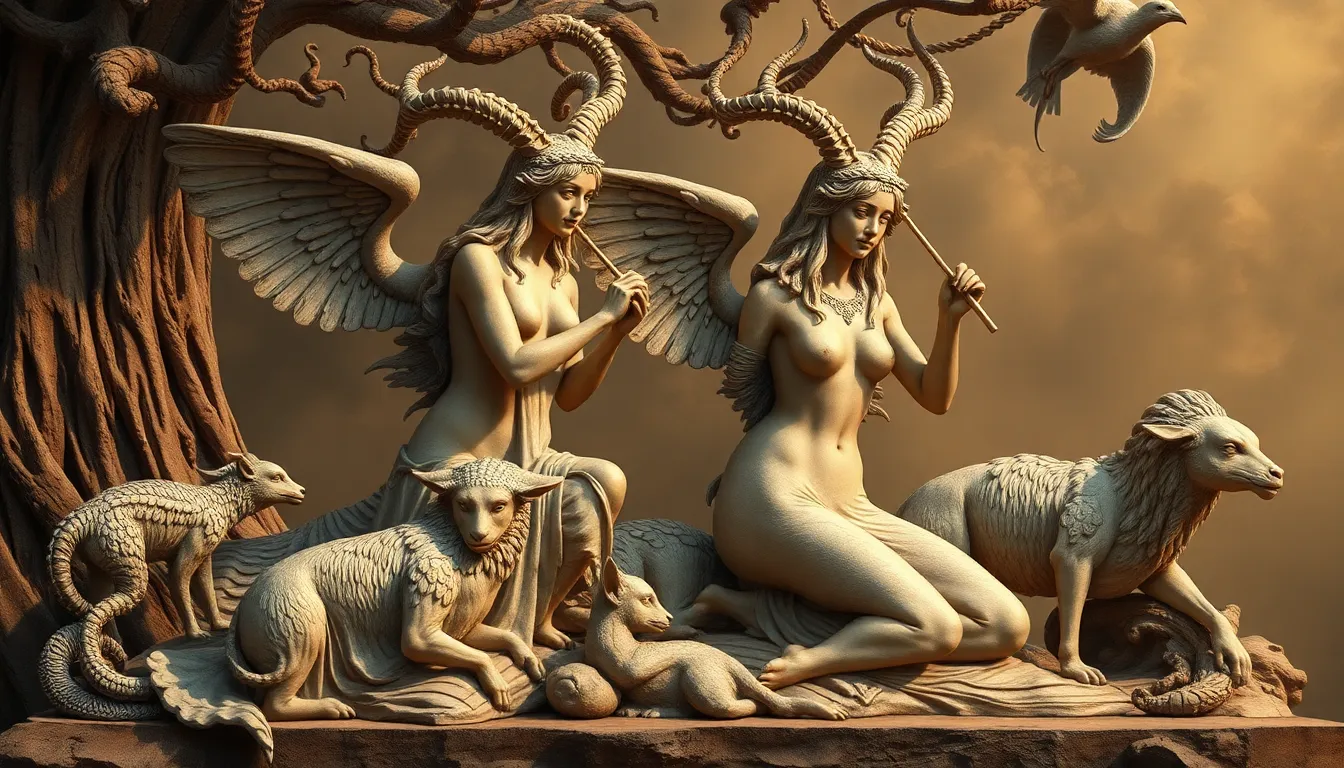
Nymphs and Their Sacred Animals: Symbolism and Significance
I. Introduction
In the rich tapestry of Greek mythology, nymphs are enchanting female spirits associated with various elements of nature. They embody the beauty and vitality of the natural world, from rivers to trees and mountains. Nymphs are often depicted as graceful beings who play significant roles in myths and legends, serving as protectors of the landscapes they inhabit.
Sacred animals, on the other hand, hold a prominent place in many cultures, symbolizing divine connections and spiritual significance. These creatures often represent various deities or natural forces, serving as familiar spirits that guide and protect humanity. This article aims to explore the intricate relationship between nymphs and their sacred animals, delving into their symbolism and significance throughout mythology.
II. The Role of Nymphs in Ancient Mythology
A. Types of Nymphs: Naiads, Dryads, and Oreads
Nymphs are categorized into several types, each associated with specific natural elements:
- Naiads: Water nymphs who preside over rivers, streams, and fountains.
- Dryads: Tree nymphs, often linked to oak trees, who embody the life force of the forest.
- Oreads: Mountain nymphs who dwell in the hills and rugged landscapes.
B. Nymphs in Greek and Roman Literature
Nymphs appear prominently in the works of ancient poets and playwrights. They are often portrayed as beautiful maidens who interact with gods and mortals alike. In the “Metamorphoses” by Ovid, nymphs are depicted in various myths, showcasing their interactions with figures such as Apollo and Hermes. Their allure and connection to nature make them captivating subjects in literature.
C. Cultural Significance of Nymphs in Nature and Fertility
Nymphs symbolize the fertility of nature, representing the life force that sustains the earth. They are often associated with the changing seasons and the cycles of growth and decay. In agricultural societies, nymphs were revered as protectors of crops and livestock, embodying the harmony between humanity and the natural world.
III. Sacred Animals in Mythological Context
A. Definition and Importance of Sacred Animals
Sacred animals are creatures that are venerated and often associated with deities or spiritual significance. They serve as symbols of power, protection, and divine favor. In many cultures, these animals are believed to possess qualities that reflect the characteristics of the gods or spirits they represent.
B. Examples of Sacred Animals Across Different Cultures
Various cultures throughout history have embraced sacred animals:
- Egyptian Mythology: The cat, associated with the goddess Bastet.
- Hinduism: The cow, revered as a symbol of motherhood and fertility.
- Native American Traditions: The eagle, representing strength and freedom.
C. The Relationship Between Deities and Their Sacred Animals
In mythology, deities often have specific animals that accompany them, reflecting their nature and attributes. For instance, Athena is associated with the owl, symbolizing wisdom, while Dionysus is often depicted with a panther, representing indulgence and wildness. This relationship highlights the interconnectedness of the divine and the natural world.
IV. Symbolism of Nymphs and Their Sacred Animals
A. Common Themes: Nature, Beauty, and Transformation
The symbolism of nymphs and their sacred animals often revolves around themes of nature, beauty, and transformation. Nymphs embody the essence of the landscapes they inhabit, while their animals reflect the qualities associated with those environments. Together, they create a narrative of harmony and interconnectedness.
B. The Symbolic Meaning of Specific Sacred Animals
Each sacred animal associated with a nymph carries its own symbolic meaning:
- Deer: Often linked to grace and gentleness, representing the nurturing aspect of nature.
- Snakes: Symbolizing rebirth and transformation, often associated with healing.
- Birds: Representing freedom and the ethereal connection between earth and sky.
C. How Animals Reflect the Characteristics of Their Associated Nymphs
The characteristics of nymphs are often mirrored in their sacred animals. For example, a dryad may be associated with a majestic stag, reflecting both the beauty of the forest and the gentle spirit of the nymph. This relationship emphasizes the unity of nature and the divine, showcasing how each element complements the other.
V. Case Studies: Notable Nymphs and Their Associated Animals
A. Daphne: The Laurel Tree and the Laurel Wreath
Daphne, a naiad, is famously known for her transformation into a laurel tree to escape Apollo’s advances. The laurel tree symbolizes victory and status, making it a powerful emblem in both mythology and ancient Rome. The laurel wreath became a symbol of honor and achievement, further solidifying the connection between Daphne and her sacred tree.
B. Eurydice: The Role of the Snake in Her Myth
Eurydice, the wife of Orpheus, is linked to snakes, particularly in the context of her tragic death from a snake bite. Snakes symbolize transformation and the cycle of life and death, reflecting the themes of loss and rebirth present in her story. Eurydice’s connection to the snake highlights the duality of beauty and danger inherent in nature.
C. Other Nymphs and Their Unique Animal Associations
Many other nymphs have unique associations with animals, such as:
- Arethusa: A water nymph often associated with the sacred bull, symbolizing fertility and abundance.
- Lotis: A nymph linked to the lotus flower and often represented with the dove, symbolizing love and beauty.
VI. Nymphs and Sacred Animals in Art and Literature
A. Depictions in Classical Art: Paintings and Sculptures
Nymphs and their sacred animals have been a popular subject in classical art, from ancient sculptures to Renaissance paintings. Artists often depicted nymphs in serene natural settings, accompanied by their symbolic animals, emphasizing the beauty of nature and femininity.
B. Nymphs in Literature: Poetry and Prose
In literature, nymphs have inspired countless poets and authors. Works like “Theocritus’ Idylls” and “Virgil’s Eclogues” celebrate the enchanting nature of nymphs and their connection to the pastoral landscape, often highlighting their relationships with sacred animals.
C. Modern Interpretations and Adaptations of Nymphs and Their Animals
Nymphs continue to find their place in modern interpretations, from fantasy literature to films. Contemporary portrayals often reimagine nymphs as symbols of environmentalism and feminine strength, highlighting their enduring relevance in today’s culture.
VII. Cultural Impact and Legacy
A. Influence on Contemporary Symbolism
The legacy of nymphs and their sacred animals has influenced modern symbolism in various fields, including art, literature, and environmental movements. Nymphs are often seen as embodiments of nature’s beauty and fragility, inspiring efforts to protect natural habitats and promote sustainability.
B. Nymphs and Animals in Folklore and Fairy Tales
The motifs of nymphs and their associated animals resonate in folklore and fairy tales across cultures. These stories often explore themes of transformation, love, and the connection between humanity and nature, emphasizing the timeless nature of these archetypes.
C. Ongoing Relevance in Environmental and Feminist Discourse
In contemporary discussions, nymphs symbolize the call for environmental awareness and the celebration of feminine power. Feminist discourse often embraces the nymph as a figure of autonomy and strength, connecting the protection of nature with women’s rights and empowerment.
VIII. Conclusion
The connection between