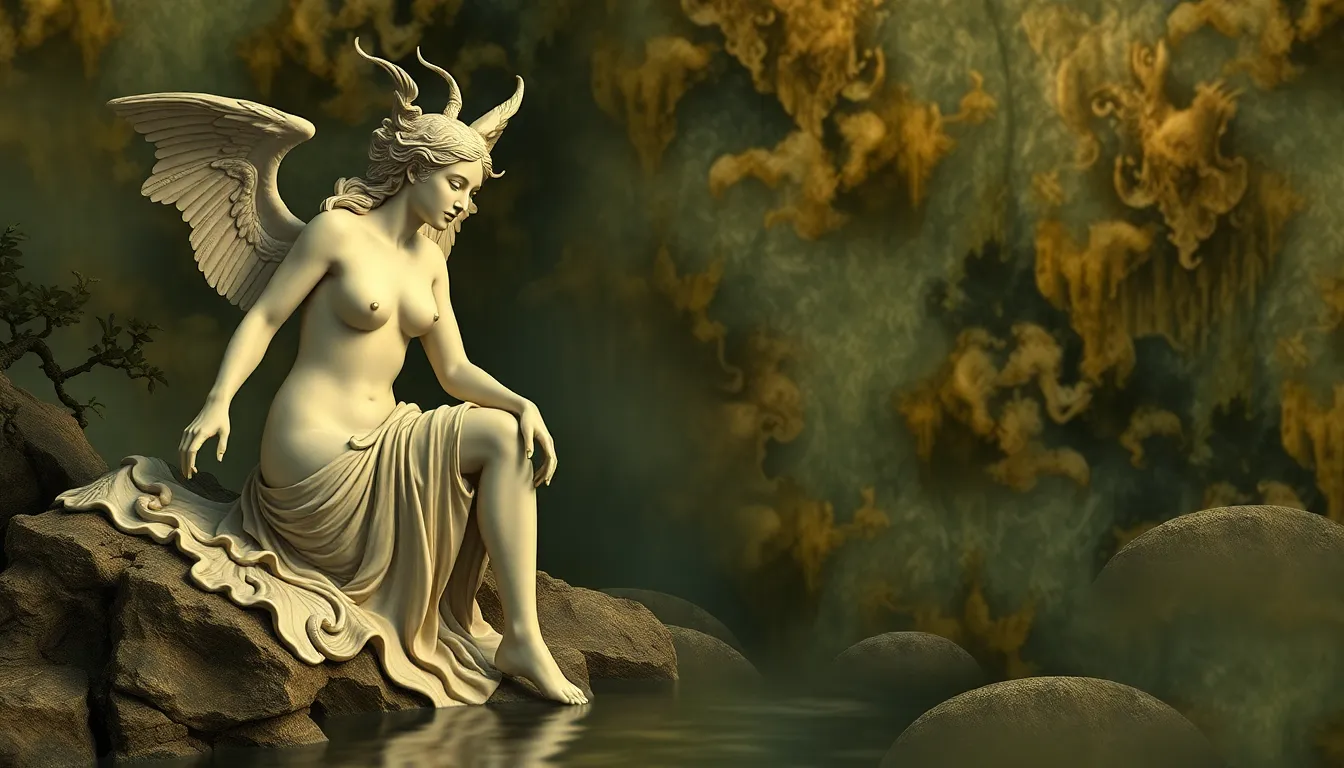
Nymphs as Muse: Their Influence on Artists and Writers Through the Ages
I. Introduction
Nymphs are enchanting figures rooted in ancient mythology, embodying the spirits of nature and beauty. Generally depicted as beautiful young women, nymphs are often associated with specific natural features such as rivers, trees, and mountains. Their significance as muses is profound, inspiring countless artists and writers throughout history to explore themes of love, beauty, and the sublime.
This article aims to delve into the historical and cultural influence of nymphs in art and literature, tracing their evolution from ancient times to modern interpretations. By examining their various roles, we can appreciate the enduring legacy of these captivating figures.
II. Historical Context of Nymphs in Mythology
The origins of nymphs can be traced back to ancient Greek and Roman cultures, where they were revered as minor deities associated with various elements of the natural world. Nymphs were not just mere spirits; they were integral to the ecosystem, often seen as guardians of the places they inhabited.
There are several types of nymphs, each associated with different natural elements:
- Naiads: Water nymphs who preside over rivers, springs, and fountains.
- Dryads: Tree nymphs, specifically associated with oak trees, representing the spirit of the forest.
- Oreads: Mountain nymphs who dwell in mountainous regions.
- Oceanids: Sea nymphs, daughters of the sea god Oceanus.
Nymphs are deeply connected with nature, symbolizing beauty, grace, and inspiration. Their representation in mythology underscores their role as muses, providing inspiration to poets, painters, and musicians alike.
III. Nymphs in Classical Art
Nymphs have been a popular subject in classical art, often depicted in ancient sculptures and pottery. Greek vases frequently illustrated nymphs in various scenes, showcasing their beauty and connection to nature. The representations of these figures often conveyed a sense of movement and grace, embodying the idealized form of femininity.
During the Renaissance, artists such as Botticelli and Raphael drew inspiration from classical depictions of nymphs. Botticelli’s famous work, “The Birth of Venus,” incorporates nymph-like figures that symbolize beauty and love, while Raphael’s “The Triumph of Galatea” showcases a sea nymph in a dynamic and poetic composition.
The symbolism of nymphs in classical art often reflects themes of fertility, love, and the ephemeral nature of beauty. Their presence serves as a reminder of the delicate balance between humanity and the natural world.
IV. Nymphs in Literature: Ancient to Medieval
Nymphs have been prominent figures in ancient poetry, with poets like Homer and Hesiod celebrating their beauty and grace. In Homer’s “Odyssey,” the nymph Calypso captivates Odysseus, embodying the allure and dangers of temptation. Similarly, Hesiod’s “Theogony” describes the various nymphs and their roles in the creation and sustenance of life.
In medieval literature, nymphs continued to inspire writers, particularly in the context of the Arthurian legends. Characters such as Morgan le Fay are often portrayed as enchanting and mysterious, reflecting the nymph archetype while intertwining it with themes of magic and power.
The evolution of nymphs as literary symbols of beauty and desire highlights their lasting influence on the written word, where they serve both as muses and cautionary figures in the complexities of love and temptation.
V. The Romantic Revival of Nymphs
The Romantic era saw a resurgence of interest in nymphs, with poets like John Keats, Percy Bysshe Shelley, and Lord Byron incorporating these figures into their works. Keats’s “Endymion,” for example, features the moon goddess Cynthia and nymphs who embody the spirit of nature, reflecting the Romantic ideal of beauty intertwined with the sublime.
In visual arts, nymphs were also popularized during the Romantic period, as seen in the works of artists like John William Waterhouse and Edward Burne-Jones. Waterhouse’s “The Lady of Shalott” showcases a nymph-like figure caught in a moment of ethereal beauty, while Burne-Jones often depicted nymphs as part of lush, enchanting landscapes.
The nymph as a representation of the sublime and the ethereal resonates through these works, symbolizing the intersection of nature, beauty, and the deeper emotional experiences of humanity.
VI. Modern Interpretations of Nymphs
In contemporary literature and poetry, nymphs continue to captivate authors and readers alike. Modern interpretations often explore themes of feminism and empowerment, portraying nymphs not just as passive muses but as powerful figures in their own right.
Visually, nymphs have found new life in modern art, appearing in various forms across mediums—from paintings to digital art. Artists today reinterpret nymphs, blending traditional motifs with contemporary themes that resonate with current societal issues.
Moreover, nymphs have become archetypes in film and pop culture, appearing in fantasy genres where they embody the mystical and the enchanting. Their roles often reflect deeper psychological themes, serving as symbols of desire, freedom, and the connection to nature.
VII. The Psychological and Cultural Significance of Nymphs
Nymphs serve as embodiments of femininity and nature, representing ideals of beauty, grace, and mystery. They are often viewed as reflections of the feminine spirit, inspiring both admiration and desire across various cultures.
From a psychological perspective, nymphs can be seen as muses in the creative process, symbolizing the inspiration that drives artistic expression. The allure of nymphs often evokes feelings of longing and creativity, prompting artists to explore the depths of human emotion.
In feminist discourse, nymphs hold cultural relevance as figures that challenge traditional gender roles. By reclaiming the narrative around nymphs, contemporary thinkers and artists can explore themes of autonomy, empowerment, and the complexities of femininity.
VIII. Conclusion
The influence of nymphs across different mediums is both profound and enduring. From their origins in ancient mythology to their modern interpretations, nymphs have captivated the imaginations of artists and writers for centuries.
As muses, they embody timeless themes of beauty, desire, and the connection to nature, reminding us of the essential interplay between the human spirit and the natural world. The legacy of nymphs continues to flourish in contemporary art and literature, ensuring that these enchanting figures will remain a source of inspiration for generations to come.