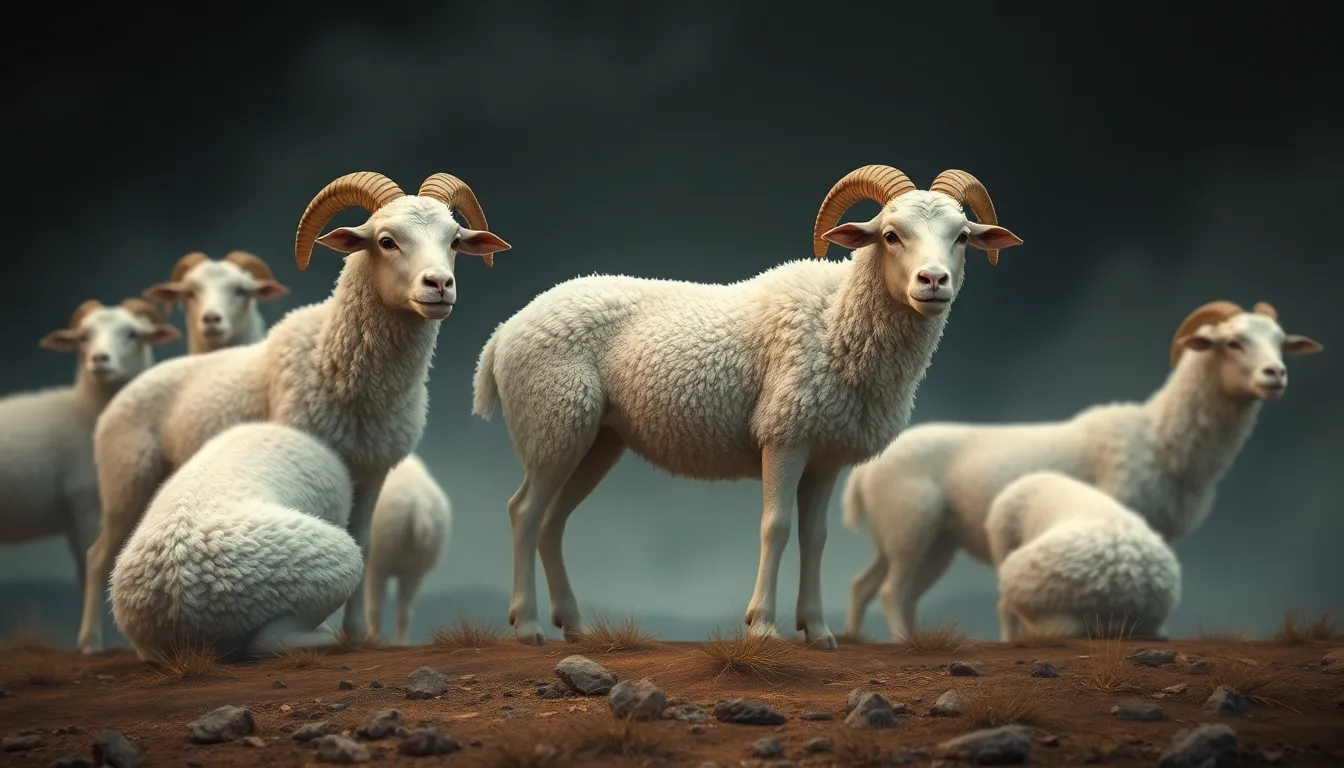
Sacrificial Lambs: The Role of Animals in Greek Myths
I. Introduction
Animals hold a significant place in Greek mythology, serving not only as companions and symbols but also as critical elements in the narratives that shape ancient Greek culture. From majestic lions to humble lambs, each creature carries its own meaning and purpose within these stories.
In ancient Greek culture, the concept of sacrifice was deeply interwoven with religious practices and societal values. Sacrifice, especially of animals, was seen as a means of appeasing the gods, expressing gratitude, or seeking favor. This article aims to explore the symbolic and actual roles of animals within Greek myths, delving into the duality of their existence as sacred beings and sacrificial offerings.
II. The Symbolism of Animals in Greek Myths
In Greek mythology, animals are often imbued with symbolism that reflects their characteristics, behaviors, and the lessons they impart. Some common animals and their representations include:
- Lambs: Represent innocence and purity, often associated with sacrifice.
- Lions: Symbolize strength and courage, frequently linked to deities and heroes.
- Goats: Associated with fertility and the wilderness, often seen in the context of rustic celebrations.
The connection between animals and gods is another vital aspect of Greek mythology. Many deities are depicted with animal companions or are transformed into animals themselves. For example, Zeus is often associated with the eagle, while Athena has the owl as her symbol.
This duality of animals as both sacred and sacrificial is a recurring theme. They are revered in worship, yet they also serve as offerings in rituals that seek to maintain harmony between the human and divine realms.
III. The Role of Sacrifice in Ancient Greek Religion
Animal sacrifice was a central practice in ancient Greek religious rituals. It involved the offering of animals, typically livestock such as sheep, goats, or bulls, to the gods. This practice held significant meaning for the Greeks:
- Definition: Animal sacrifice was a ritual act involving the killing of animals as an offering to deities.
- Significance: It was seen as a way to communicate with the divine, asking for blessings or expressing gratitude.
- Cultural Importance: Sacrifices reinforced social bonds and communal identity, often taking place during festivals and public ceremonies.
The act of sacrifice reflects societal values and beliefs, showcasing the relationship between humans and the divine. It highlights the Greeks’ understanding of the need for reciprocity in their interactions with gods, where offerings were expected to yield divine favor in return.
IV. Notable Myths Featuring Sacrificial Animals
Several myths prominently feature animals in sacrificial roles, illustrating their significance in Greek storytelling:
A. The tale of Iphigenia and the sacrifice of a lamb
In the myth of Iphigenia, the daughter of Agamemnon, a lamb is sacrificed to appease Artemis. Agamemnon’s decision to sacrifice his daughter instead of the lamb to ensure safe passage to Troy raises profound moral questions about duty, sacrifice, and the nature of divine will.
B. The story of the Golden Fleece and its implications
The quest for the Golden Fleece involves the sacrifice of a ram, whose fleece is sought after as a symbol of authority and kingship. This myth encapsulates themes of adventure, betrayal, and the transformative power of sacrifice, as Jason and the Argonauts face numerous challenges to retrieve the fleece.
C. The role of animals in the myth of Prometheus
Prometheus, who defied Zeus by stealing fire for humanity, is central to a myth involving sacrifice. In his tale, Prometheus tricks Zeus into accepting a lesser portion of a sacrifice, highlighting the relationship between animals and humans in the context of divine favor and retribution.
V. The Concept of the Scapegoat in Greek Myths
The idea of the scapegoat is also prevalent in Greek mythology, where animals are used to bear the burdens of human sin or societal ills:
A. Definition and origin of the scapegoat concept
A scapegoat is an entity that is blamed for the wrongdoings of others, often as a means of absolving guilt from the community.
B. Examples of myths where animals serve as scapegoats
- The goat in the ritual of the Apaturia, where a goat is sacrificed to cleanse the community.
- The story of the Minotaur, where the bull is both a creature of power and a victim of human sacrifice.
C. The psychological and societal implications of scapegoating
Scapegoating animals in mythology reflects deeper societal dynamics, illustrating how communities project their fears and failures onto innocent beings. This act serves as a means of maintaining social order and communal identity, albeit through tragic means.
VI. The Transformation of Animals in Greek Myths
Transformation is a prominent theme in Greek mythology, where animals often undergo metamorphosis, and this transformation frequently carries sacrificial implications:
A. Myths about metamorphosis (e.g., Zeus turning into a bull)
Zeus’s transformation into a bull to seduce Europa is a prime example. This metamorphosis not only illustrates the fluidity of identity in myth but also underscores the interplay between power, desire, and sacrifice.
B. The significance of transformation in the context of sacrifice
Transformation often signifies a pivotal shift in the narrative, marking moments of sacrifice that lead to new beginnings or tragic ends. Animals become vessels for divine messages, reflecting the gods’ whims and the complex relationships between mortals and immortals.
VII. Modern Interpretations and Legacy of Animal Sacrifice in Greek Myths
The themes of animal sacrifice in Greek mythology have left a lasting impact on contemporary culture:
A. Influence on contemporary literature and art
Modern literature and art often draw inspiration from Greek myths, using animal sacrifice as a metaphor for deeper human experiences, such as loss, guilt, and redemption. Works that explore these themes continue to resonate with audiences today.
B. The ethical considerations surrounding animal sacrifice today
In today’s society, the practice of animal sacrifice raises ethical questions regarding animal rights and the treatment of living beings. The lessons drawn from these ancient myths encourage critical reflections on our relationship with animals and the moral implications of sacrifice.
C. How the legacy of these myths continues to shape cultural narratives
The legacy of animal sacrifice in Greek myths continues to influence cultural narratives, inspiring discussions about the nature of sacrifice, the role of animals in our lives, and the spiritual significance attributed to various creatures.
VIII. Conclusion
The multifaceted roles of animals in Greek mythology reveal a rich tapestry of meaning and significance that transcends time. From their symbolism as sacred beings to their practical roles as sacrificial offerings, animals reflect the values, beliefs, and complexities of ancient Greek society.
As we reflect on these themes, it becomes clear that the narratives surrounding animals and sacrifice are still relevant today. Understanding ancient beliefs about animals helps us navigate our contemporary relationship with the natural world, prompting us to consider the ethical dimensions of our actions and the connections we share with all living beings.
In conclusion, the exploration of animals in Greek myths serves not only as an inquiry into the past but also as a reflection on our present and future interactions with the world around us.