Satyrs in Literature: How They’ve Influenced Western Literature and Culture
I. Introduction
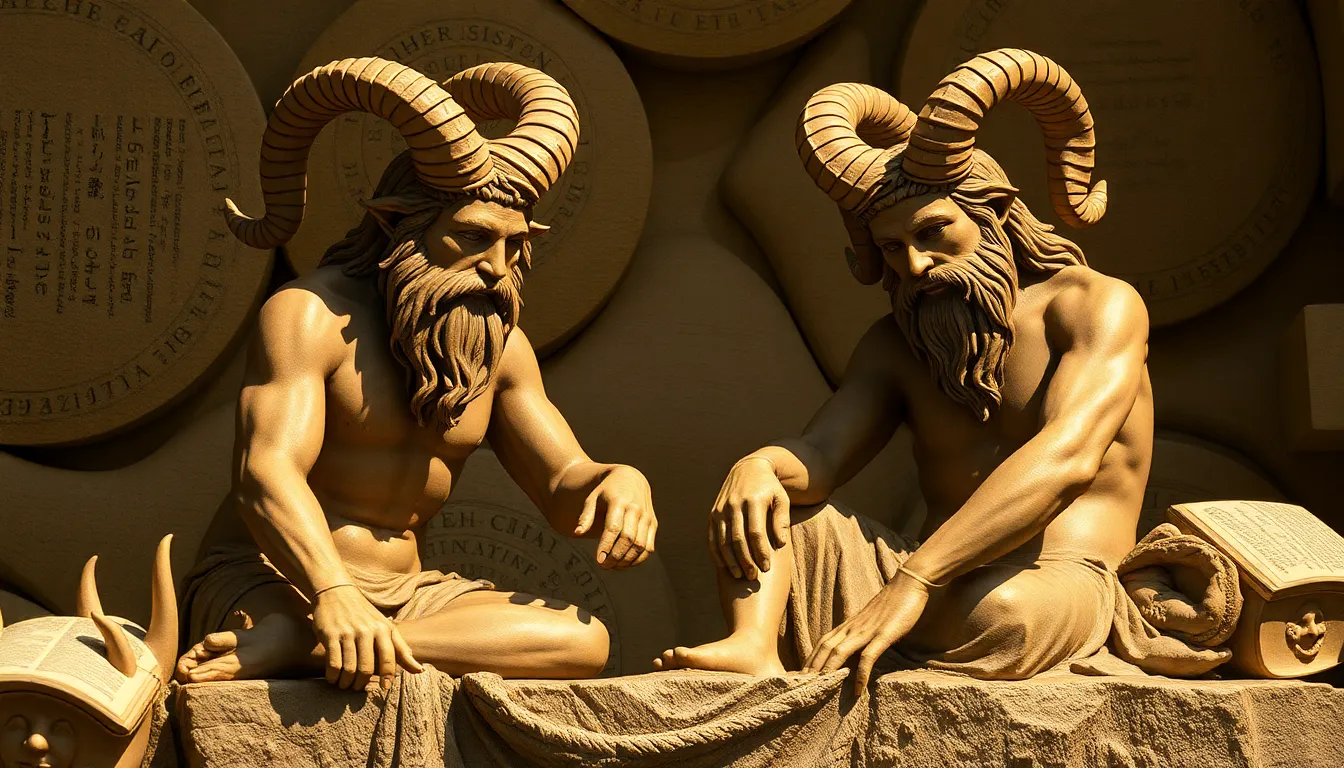
In the rich tapestry of Greek mythology, Satyrs are depicted as half-human, half-goat creatures that embody the spirit of nature and revelry. They are often associated with Dionysus, the god of wine, fertility, and festivity, representing a blend of joy, chaos, and the primal instincts of humanity.
The significance of Satyrs extends beyond their mythological origins; they have profoundly influenced Western literature and culture. Their representations have shifted through the ages, reflecting societal values and artistic movements. This article aims to explore the historical origins, literary presence, and cultural impact of Satyrs, shedding light on their enduring legacy.
II. Historical Origins of Satyrs
Satyrs have their roots in ancient Greek mythology, where they were often depicted as companions of Dionysus. They are characterized by their goat-like features, including horns and hooves, and their carefree, often lascivious behavior.
These creatures played a crucial role in the Dionysian rituals, which celebrated the themes of wine, fertility, and the liberation of the spirit. The presence of Satyrs in these rituals highlighted the connection between humanity and nature, serving as a reminder of the primal instincts that dwell within.
As literature evolved, so did the imagery associated with Satyrs. Early representations in art and literature showcased them as playful spirits of the forest, embodying both the beauty and chaos of the natural world.
III. Satyrs in Classical Literature
In classical literature, Satyrs are prominently featured in the works of renowned poets like Homer and Hesiod. In the Homeric Hymns, they are depicted as joyous figures that accompany Dionysus, celebrating his arrival with music and dance.
Hesiod, in his Theogony, also references Satyrs, illustrating their role in the pantheon of Greek deities as beings that embody the earth’s fertility and the wildness of nature.
- Homer: Satyrs as joyful companions of the gods.
- Hesiod: Highlights their connection to nature and fertility.
The influence of Satyrs extended to Roman literature, notably in the works of Ovid, who integrated these figures into his narratives, enhancing their characterization and exploring themes of desire and excess. This transition from myth to literary characters marked a significant evolution in the portrayal of Satyrs, allowing for deeper exploration of their complexities.
IV. Satyrs in the Renaissance and Baroque Periods
The Renaissance period saw a revival of classical themes, and Satyrs re-emerged in literature as symbols of hedonism and the natural world. This era’s artists and writers sought to reconnect with the ancient past, drawing inspiration from Greek and Roman mythology.
William Shakespeare, in plays like A Midsummer Night’s Dream, incorporated Satyr-like characters that embodied the spirit of mischief and revelry. Similarly, John Milton referenced these creatures in Paradise Lost, using them as representations of temptation and the darker aspects of human nature.
- Shakespeare: Misfit characters that bring joy and chaos.
- Milton: Satyrs as symbols of temptation and sin.
The interplay between Satyrs and humanist ideals during this period highlighted the tension between reason and instinct, reflecting the complexities of human nature and societal values.
V. The Romantic Reimagining of Satyrs
During the Romantic era, Satyrs were reimagined as symbols of nature and primal instincts. Poets and authors began to explore the duality of Satyrs, portraying them as both innocent and lascivious figures that represented the untamed aspects of humanity.
Key works from Romantic poets, such as John Keats and Percy Bysshe Shelley, illustrate this reinterpretation. In Keats’ Ode to a Nightingale, the imagery evokes a sense of natural beauty and ecstasy, reminiscent of Satyr-like abandon. Shelley’s works often touch upon themes of nature and desire, further cementing the Satyr’s role as a symbol of the wild and the free.
- Keats: Exploring beauty and ecstasy in nature.
- Shelley: Emphasizing themes of desire and freedom.
Through this lens, Satyrs became complex symbols that reflected the Romantic idealization of nature and the exploration of human instinct.
VI. Satyrs in Modern Literature and Popular Culture
Today, Satyrs continue to captivate audiences in contemporary novels, films, and various forms of media. Their representation has evolved, finding a place in fantasy literature and mythology retellings, where they often embody themes of freedom, nature, and hedonism.
In popular culture, Satyrs can be seen in various adaptations of mythological stories, such as in the Percy Jackson series, where they are portrayed as wise and playful guides for young heroes. Films and television shows frequently draw upon Satyr imagery, emphasizing their connection to nature and the spirit of revelry.
- Contemporary Novels: Satyrs as guides and mentors.
- Films: Portrayals emphasizing nature and freedom.
The enduring appeal of Satyrs lies in their representation of the primal aspects of humanity, making them relevant in a modern context where themes of identity and nature are increasingly explored.
VII. The Cultural Impact of Satyrs
Satyrs have left a profound impact on various forms of art, music, and theater. Their representations have influenced countless artists and composers, inspiring works that celebrate nature, freedom, and the complexity of human desires.
As cultural symbols, Satyrs embody hedonism and the pursuit of pleasure, often serving as a reflection of societal views on nature and sexuality. They challenge conventional norms, inviting individuals to embrace their instincts and explore the depths of their desires.
- Art: Depictions in paintings and sculptures highlighting their connection to nature.
- Music: Compositions that evoke the spirit of revelry and joy.
- Theater: Characters that embody chaos and freedom.
Through their cultural significance, Satyrs have shaped societal views on the balance between civilization and the natural world, urging a reconnection with the primal aspects of existence.
VIII. Conclusion
In conclusion, Satyrs have made substantial contributions to Western literature and culture. From their origins in ancient mythology to their representations in modern media, these figures have embodied the complexities of human nature, freedom, and the relationship with the natural world.
The lasting legacy of Satyrs invites reflection on their significance in literature and art, encouraging future studies to explore their themes further. As symbols of revelry and primal instincts, Satyrs continue to inspire and challenge our understanding of humanity’s connection to nature and the untamed aspects of our existence.