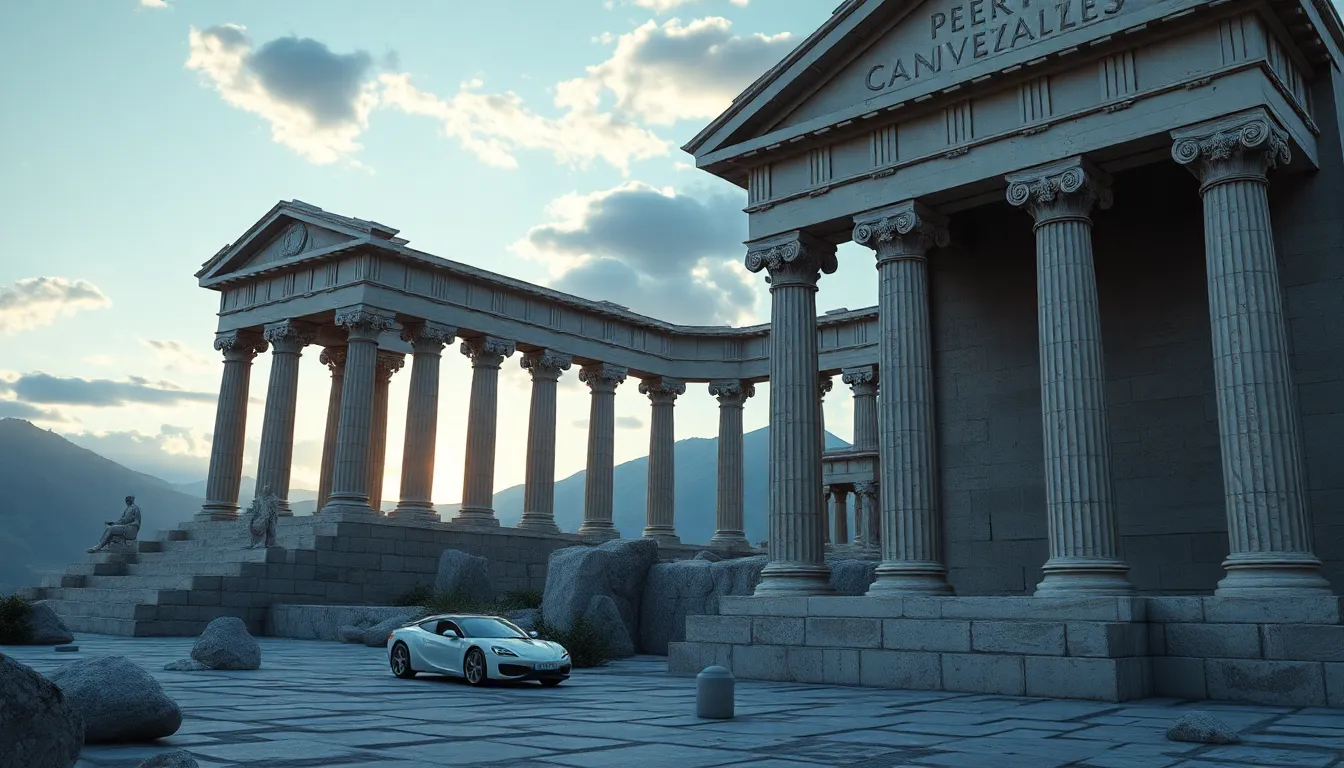
The Allure of Greek Myths in Today’s Digital Age
I. Introduction
Greek mythology, a rich tapestry of stories and characters, has captivated audiences for millennia. These tales, filled with gods, heroes, and mythical creatures, have not only shaped ancient Greek culture but also influenced various facets of modern society.
In recent years, there has been a noticeable resurgence of interest in mythology, particularly within contemporary culture. This revival can be seen across various media, from films and literature to social media platforms, sparking curiosity and inspiring creativity among diverse audiences.
This article aims to explore the enduring allure of Greek myths in the digital age, examining their timeless themes, representation in popular media, the impact of social media, educational approaches, artistic interpretations, and the critiques surrounding modern portrayals.
II. The Timeless Themes of Greek Myths
At the heart of Greek mythology are themes that resonate with universal human experiences. These narratives explore profound concepts, such as:
- Love: The passionate tales of gods and mortals, like the tragic love story of Orpheus and Eurydice.
- Betrayal: The conflict between loyalty and ambition, seen in stories like that of Prometheus.
- Heroism: The journey of heroes such as Heracles and Odysseus, whose adventures depict bravery and resilience.
These themes are not only relevant in ancient times but continue to find echoes in modern storytelling. They evoke emotions and provoke thought about the human condition.
Additionally, Greek myths offer moral lessons and philosophical insights, often highlighting the consequences of hubris or the importance of balance in life. These narratives encourage reflection on ethical dilemmas, making them timeless sources of wisdom.
In contemporary storytelling, echoes of these ancient themes persist in film, literature, and personal narratives, proving that the core human experiences they embody remain ever-relevant.
III. Greek Myths in Popular Media
The influence of Greek mythology is palpable in popular media, where adaptations and reinterpretations breathe new life into ancient tales.

A. Analysis of Film Adaptations
Films such as Percy Jackson and Clash of the Titans have brought Greek myths to the silver screen, often targeting younger audiences. These adaptations typically blend action, adventure, and humor while introducing viewers to mythological figures like Zeus, Poseidon, and Medusa.
While some adaptations take creative liberties, they serve to engage a new generation with these timeless stories. The exploration of heroism and identity in Percy Jackson resonates with young audiences navigating their own journeys.
B. The Role of Video Games
Video games have also become a significant platform for reimagining mythological tales. Titles like God of War and Hades immerse players in the rich landscapes of Greek mythology, allowing them to interact with characters and narratives in an immersive way.
- God of War: This game reinterprets Greek myths through the lens of Kratos, a character driven by rage and redemption, providing a darker, more complex portrayal of mythological themes.
- Hades: This rogue-like game allows players to experience the underworld from the perspective of Zagreus, the son of Hades, blending traditional myth with innovative gameplay.
These games not only entertain but also educate players about the characters and stories that have shaped Western literature.
C. Literature’s Embrace of Greek Mythology
Contemporary literature has seen a resurgence in mythology-inspired narratives. Authors like Madeline Miller with Circe and Jennifer Saint with Ariadne reframe traditional stories, giving voice to female characters often overshadowed in ancient texts.
This literary movement reflects a broader trend of reinterpreting myths to highlight contemporary issues, such as feminism and identity, making ancient tales relevant in today’s context.
IV. The Impact of Social Media on Mythology
Social media platforms have transformed how mythology is disseminated and engaged with, creating new opportunities for education and reinterpretation.
A. Engagement on Platforms
Platforms like Instagram and TikTok have become popular venues for sharing mythological content. Users create infographics, illustrations, and videos that summarize myths, discuss characters, or reinterpret ancient stories.
This engagement fosters a community of mythology enthusiasts and encourages discussions that might not occur in traditional settings.
B. The Role of Influencers
Influencers and educators on social media play a pivotal role in myth reinterpretation. They present Greek myths in accessible formats, often incorporating modern language and contexts that resonate with younger audiences.
For example, TikTok creators might explain the story of Medusa while drawing parallels to contemporary issues like body image and societal norms, making the myths more relatable.
C. Viral Trends and Memes
Viral trends and memes centered on mythological characters and stories have further popularized Greek myths. Memes featuring characters like Zeus and Hades often highlight their personalities in humorous or exaggerated ways, making ancient stories feel fresh and engaging.
This blend of education and entertainment helps to spark curiosity about the original myths among audiences who may not have encountered them otherwise.
V. Educational Approaches to Greek Myths Today
The incorporation of Greek mythology into modern educational curricula offers students a chance to explore these ancient stories in meaningful ways.
A. Modern Curricula
Many schools now include mythology in literature and history classes, emphasizing its cultural significance and relevance to contemporary issues. Educators often use interactive lessons that encourage students to analyze myths and their themes.
B. Digital Tools and Resources
The use of digital tools enhances the teaching of myths. Online resources, interactive timelines, and multimedia presentations make learning about Greek mythology engaging and accessible.
Websites and apps that provide gamified learning experiences allow students to explore myths through quizzes and storytelling, fostering a deeper understanding of the material.
C. Engaging Younger Audiences
Innovative methods such as storytelling workshops, art projects, and collaborative storytelling encourage younger audiences to connect with Greek myths. By actively participating in the creative process, students can appreciate the narratives more deeply.
These approaches not only teach the myths but also promote critical thinking and creativity, essential skills for the modern world.
VI. The Role of Art and Aesthetics
Greek mythology has also inspired modern artistic interpretations across various mediums, enriching contemporary culture.
A. Modern Artistic Interpretations
Artists today reinterpret Greek myths through painting, sculpture, and digital art, often incorporating modern themes and aesthetics. These works reflect the enduring influence of mythology while addressing contemporary societal issues.
B. Fashion and Design
Fashion designers often draw inspiration from mythological themes, creating collections that reference gods, goddesses, and legendary heroes. This intersection of mythology and design highlights the timeless appeal of these ancient stories.
C. Influence on Popular Culture
Mythology continues to shape branding and popular culture, with companies using mythological references to evoke specific qualities or narratives. Brands may adopt names or symbols from Greek myths to create a sense of legacy or prestige.
VII. Critiquing the Modern Interpretation of Greek Myths
While the modern reinterpretation of Greek myths can be enriching, it also raises important critiques regarding cultural appropriation and misrepresentation.
A. Cultural Appropriation and Misrepresentation
As myths are adapted in various contexts, there is a risk of cultural appropriation, where elements of Greek culture are used without proper understanding or respect. This can lead to misrepresentations that distort the original meanings of the myths.
B. Balancing Traditional Narratives
Finding a balance between honoring traditional narratives while incorporating contemporary perspectives is crucial. Modern adaptations should strive to respect the integrity of the original stories while making them relevant to today’s audiences.
C. Importance of Authenticity
Maintaining authenticity and respect for the origins of these ancient stories is essential. Engaging with Greek mythology thoughtfully ensures that the narratives continue to educate and inspire without losing their cultural significance.
VIII. Conclusion
The enduring legacy of Greek myths plays a vital role in shaping human culture, influencing art, literature, and education across centuries. As we navigate the digital landscape, the potential for future explorations of mythology remains