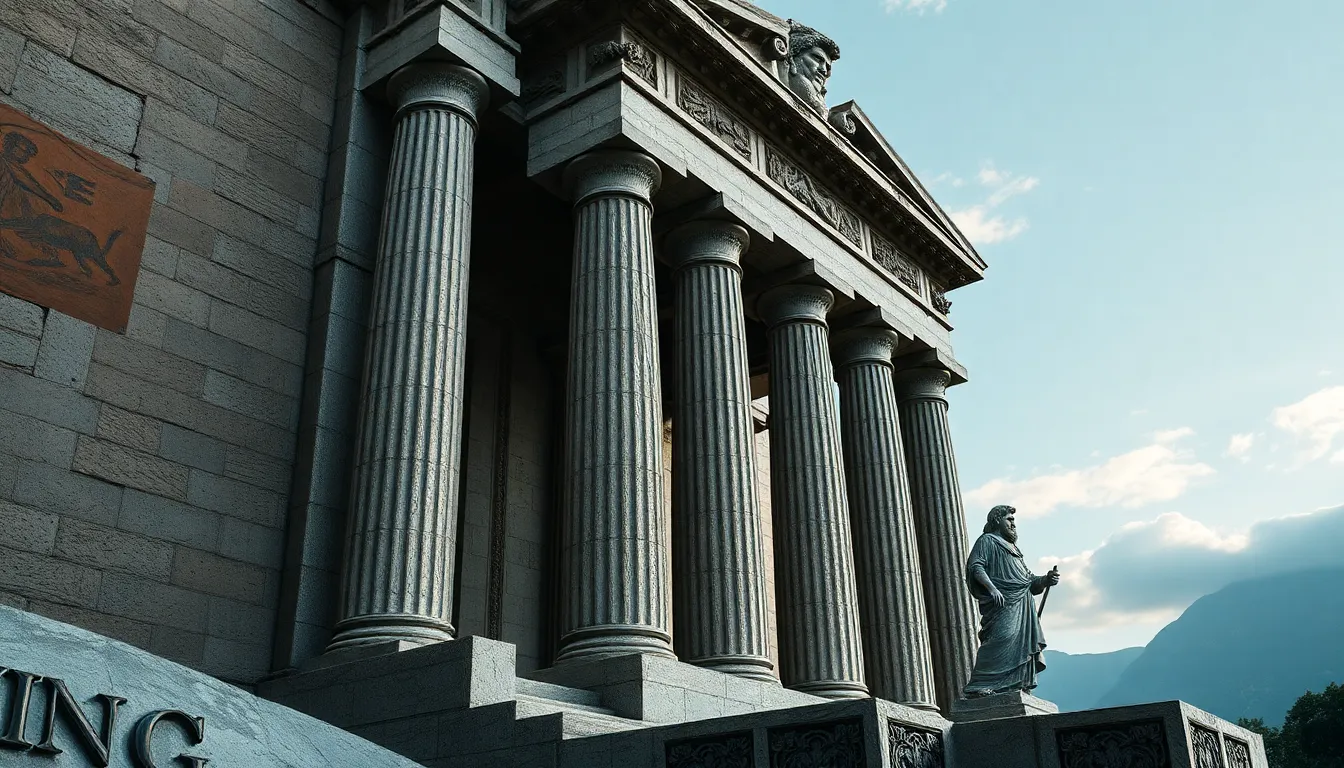
The Allure of the Tragic Hero: Greek Influences in Modern Literature
I. Introduction
The concept of the tragic hero has captivated audiences for centuries, embodying the profound struggles of humanity. A tragic hero is typically defined as a character who experiences a downfall due to a combination of personal flaws and unavoidable circumstances. This archetype is deeply rooted in Greek tragedy, where the complexities of fate, morality, and the human condition are explored through compelling narratives.
Greek tragedy, a significant literary form that emerged in ancient Greece, is characterized by its exploration of human suffering and moral dilemmas. These plays often delve into themes of fate, hubris, and the consequences of one’s actions, leaving a lasting impact on literature and philosophy. The purpose of this article is to examine how Greek influences have shaped modern literature, particularly through the lens of the tragic hero.
II. The Origins of the Tragic Hero in Greek Literature
The tragic hero is a central figure in Greek literature, embodying key characteristics that define their journey. These heroes are often of noble birth, endowed with exceptional qualities, yet they possess a tragic flaw (hamartia) that leads to their demise.
A. Key characteristics of the Greek tragic hero
- Noble stature: The tragic hero often comes from a high social class or noble lineage.
- Hamartia: This is the tragic flaw or error in judgment that ultimately leads to their downfall.
- Peripeteia: A reversal of fortune occurs, where the hero’s situation dramatically shifts.
- Anagnorisis: The hero’s moment of critical discovery, often recognizing their own flaws.
- Catharsis: The audience experiences a purging of emotions through the hero’s tragic journey.
B. Prominent figures: Oedipus, Antigone, and Achilles
Several figures exemplify the tragic hero in Greek literature:
- Oedipus: The quintessential tragic hero, whose quest for knowledge leads him to discover his own horrific fate.
- Antigone: A strong-willed character who defies the laws of man in favor of divine law, facing dire consequences for her actions.
- Achilles: The great warrior whose pride and rage lead him into conflict and ultimately to his demise, highlighting themes of honor and mortality.
C. Themes of fate, hubris, and catharsis
Central to Greek tragedy are themes of fate, hubris, and catharsis. The belief that the gods control human fate is a recurring motif, illustrating the limits of human agency. Hubris, or excessive pride, often leads characters to challenge divine authority, resulting in their downfall. Through their journeys, audiences experience catharsis, feeling a mixture of pity and fear as they witness the tragic hero’s plight.
III. The Psychological Depth of the Tragic Hero
The tragic hero’s journey is not merely one of external conflict but also of profound internal struggle. This psychological depth adds richness to their characterization.
A. The inner conflict and moral dilemmas faced
Tragic heroes often grapple with significant moral dilemmas, torn between their desires and their duties. This inner conflict is a critical aspect of their characterization, making their struggles relatable to the audience.
B. The role of character flaws in the tragic journey
Character flaws play a pivotal role in defining the tragic hero’s path. These flaws, whether they be pride, anger, or a thirst for knowledge, propel the narrative and lead to their ultimate downfall. This aspect emphasizes the complexity of human nature, showcasing that greatness can coexist with imperfection.
C. The audience’s emotional connection to the tragic hero
The audience’s emotional connection to the tragic hero is vital for the impact of the narrative. As viewers witness the hero’s struggles, they often reflect on their own lives, forging a bond that transcends time and culture. This connection to the tragic hero enables audiences to engage deeply with the themes of the story, leading to a more profound understanding of the human experience.
IV. Tragic Heroes in Modern Literature
The influence of Greek tragedy extends into modern literature, where the archetype of the tragic hero continues to resonate with contemporary audiences.
A. Examples of modern tragic heroes in literature
Modern literature features numerous tragic heroes who reflect the complexities of the human condition. Some notable examples include:
- Willy Loman from “Death of a Salesman” by Arthur Miller
- Hester Prynne from “The Scarlet Letter” by Nathaniel Hawthorne
- Jay Gatsby from “The Great Gatsby” by F. Scott Fitzgerald
B. Comparative analysis of classic vs. modern interpretations
While classic tragic heroes often succumb to fate and external forces, modern tragic heroes frequently face societal pressures and personal limitations. This shift reflects contemporary concerns and the evolving nature of the human experience.
C. The evolution of tragic themes across time
The themes of tragedy have evolved, yet they remain grounded in the exploration of human flaws, societal constraints, and the quest for meaning. Modern tragedies often highlight the ambiguity of morality and the complexity of human relationships, showcasing a richer tapestry of human experience.
V. Influence of Greek Tragedy on Contemporary Genres
The impact of Greek tragedy can be seen across various contemporary genres, from novels to films and beyond.
A. Tragic elements in modern novels, plays, and films
Tragic elements manifest in many modern narratives, encompassing themes of loss, existential struggle, and moral ambiguity. These elements echo the principles established in Greek tragedy, reinforcing the timeless relevance of these themes.
B. The adaptation of the tragic hero in various genres (e.g., drama, fantasy, and dystopia)
The tragic hero archetype adapts seamlessly into various genres:
- Drama: Traditional plays continue to explore the tragic hero’s plight.
- Fantasy: Characters like Frodo Baggins in “The Lord of the Rings” exhibit tragic qualities.
- Dystopia: Works like “The Road” by Cormac McCarthy present heroes facing harrowing moral choices.
C. Case studies of notable works (e.g., “Death of a Salesman,” “The Road”)
In “Death of a Salesman,” Willy Loman embodies the tragic hero’s struggle against societal expectations and personal failures, leading to a poignant exploration of the American Dream. Similarly, in “The Road,” the characters navigate a post-apocalyptic world, confronting existential despair and moral dilemmas, reflecting the tragic hero’s timeless journey.
VI. The Cultural Relevance of the Tragic Hero Today
The tragic hero remains a culturally relevant figure, reflecting contemporary societal issues and the enduring human spirit.
A. Reflection of societal issues through the tragic hero
Modern tragic heroes often serve as mirrors to societal issues, such as inequality, injustice, and the struggle for identity. Through their stories, audiences are compelled to confront and reflect upon the complexities of the human condition.
B. The tragic hero as a symbol of resistance and resilience
Tragic heroes symbolize resistance against oppressive forces and resilience in the face of adversity. Their journeys inspire audiences to confront their own challenges, fostering a sense of hope and determination.
C. The timeless nature of tragedy in human experience
The themes of tragedy resonate across cultures and epochs, emphasizing the universal nature of human struggles. The tragic hero’s journey serves as a profound exploration of the human experience, reminding us of our shared vulnerabilities and aspirations.
VII. Criticism and Alternative Perspectives
As literary criticism evolves, so