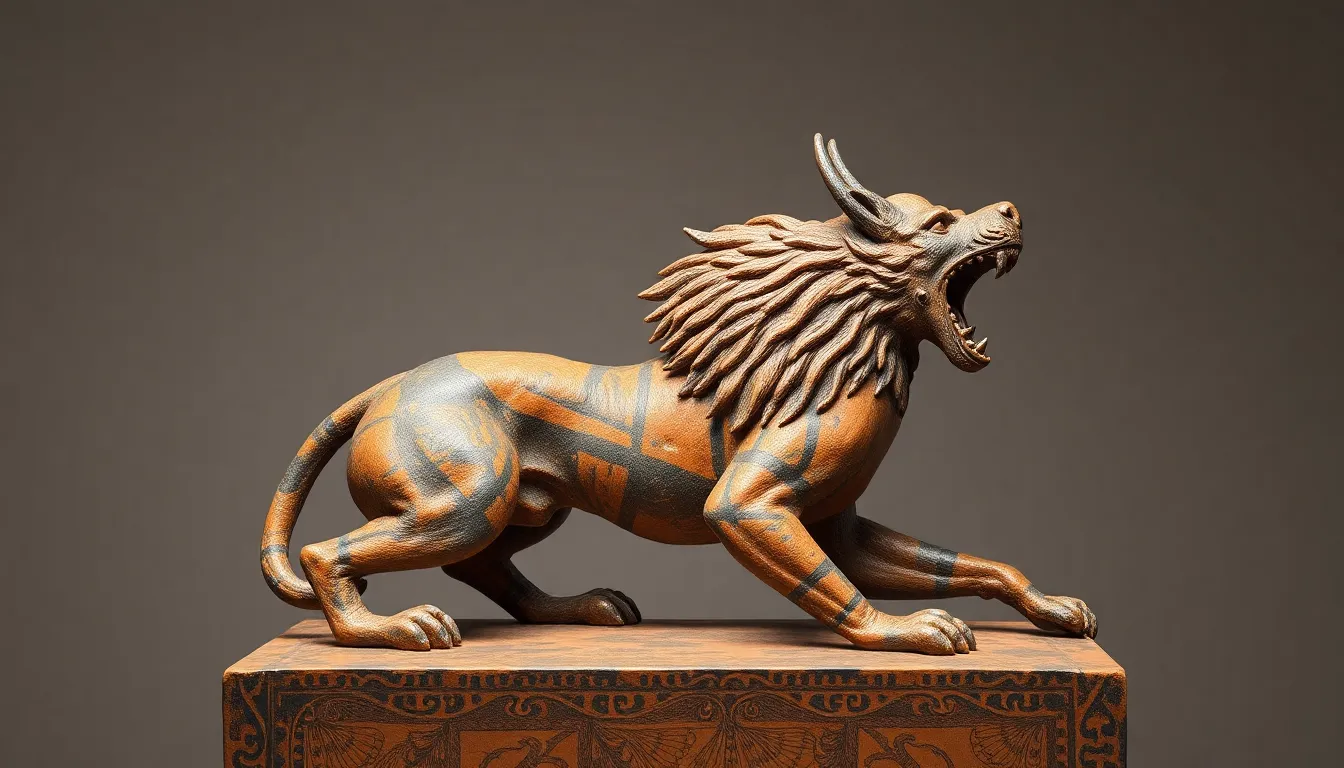
The Depiction of Cerberus in Ancient Greek Pottery
Introduction to Cerberus in Greek Mythology
Cerberus, the formidable three-headed dog, is one of the most iconic figures in Greek mythology. As the guardian of the Underworld, Cerberus played a crucial role in the myths surrounding death and the afterlife. Often depicted as a fierce beast with three snarling heads, a snake for a tail, and a mane of serpents, Cerberus embodies the terrifying aspects of the underworld while also serving as a protector of its gates. His significance in Greek mythology extends beyond mere guardianship; he represents the boundary between the living and the dead, symbolizing the inevitability of death and the importance of respecting the afterlife.
Historical Context of Ancient Greek Pottery
Ancient Greek pottery has a rich history that dates back to the Neolithic period, but it flourished primarily during the Geometric, Archaic, and Classical periods. Pottery was not merely a practical medium for storage and transport; it was also a canvas for artistic expression and storytelling. Through intricate designs and vivid illustrations, ancient artisans conveyed cultural narratives, myths, and daily life. The use of pottery as a storytelling medium allowed for the preservation and dissemination of myths, including those involving Cerberus, making it an invaluable resource for understanding ancient Greek culture.
Cerberus: Symbolism and Attributes
Cerberus is often described in myths as a monstrous creature with distinctive attributes that highlight its role as a guardian. Key characteristics include:
- Three Heads: Symbolizing vigilance and the ability to see all that occurs at the gates of the Underworld.
- Serpent Tail: Representing danger and the chaotic nature of death.
- Fierce Bark: A deterrent to any who would dare to enter the realm of the dead without permission.
Symbolically, Cerberus embodies several themes:
- Guardianship: Protecting the entrance to the Underworld.
- Death: A reminder of mortality and the finality of life.
- The Afterlife: Signifying the transition from life to death and the importance of the afterlife in Greek belief.
Artistic Techniques in Depicting Cerberus
Ancient Greek pottery is known for its distinctive styles, primarily the Black-Figure and Red-Figure techniques. Each style has its unique approach to depicting figures and narratives:
- Black-Figure Technique: This style involved painting figures in a black slip that would turn glossy during firing, allowing for detailed incision work to create outlines and details.
- Red-Figure Technique: Emerging later, this method involved leaving figures in the natural red color of the clay, allowing for more flexibility in depicting intricate details and varied poses.
Artisans employed various techniques to represent Cerberus, including line work to define his fierce features and the use of color contrast to emphasize his menacing presence. The perspective and composition of the scenes often placed Cerberus in dynamic interactions with mythological heroes, enhancing the narrative quality of the pottery.
Notable Examples of Cerberus in Pottery
Several notable pottery pieces feature Cerberus, providing insight into how he was perceived in ancient Greek culture. One famous example is the amphora by Exekias, which illustrates the hero Heracles confronting Cerberus during his twelfth labor. This piece is significant not only for its artistic merit but also for its narrative clarity, showcasing the struggle between man and monster. Another example is a red-figure kylix depicting Cerberus in a more playful context, illustrating the duality of his nature as both a fearsome guardian and a creature of myth.
These pottery pieces are vital for understanding the cultural beliefs surrounding death and the afterlife, as well as the artistic trends of the time. They reflect the values, fears, and stories that were prevalent in ancient Greek society.
Cerberus in the Context of Other Mythological Figures
Cerberus is often depicted alongside other prominent mythological figures, such as Hades, the god of the Underworld, and Heracles, the legendary hero. This positioning highlights Cerberus’s role within broader narratives:
- Hades: As the master of the Underworld, Hades is often shown commanding Cerberus, emphasizing the dog’s role as a servant and protector.
- Heracles: Cerberus is prominently featured during Heracles’s twelfth labor, where the hero must capture the beast and bring him to the surface, symbolizing the confrontation with death.
These interactions serve to deepen the understanding of Cerberus’s character and the themes of fate, struggle, and the human condition in Greek mythology.
The Evolution of Cerberus’s Depiction Over Time
From the Archaic to the Hellenistic period, the portrayal of Cerberus evolved significantly. In earlier depictions, Cerberus is often shown as a more monstrous figure, emphasizing his terrifying aspects. As time progressed, artistic representations became more nuanced, reflecting changes in societal attitudes towards death and the afterlife. Notable shifts include:
- Archaic Period: Cerberus is depicted as purely fearsome, reflecting the ancient Greeks’ apprehension about death.
- Classical Period: Artists began to portray Cerberus with more human-like traits, suggesting a more complex relationship with death.
- Hellenistic Period: Cerberus is often depicted in more dynamic and less rigid postures, reflecting the artistic movement towards realism and emotional expression.
These changes were influenced by historical events, philosophical developments, and the evolving cultural landscape of ancient Greece.
Conclusion: The Legacy of Cerberus in Ancient Greek Art
Cerberus’s significance in ancient Greek pottery is profound, as he embodies themes of guardianship, death, and the afterlife. The artistic depictions of Cerberus not only reflect the mythological narratives of the time but also provide insight into the cultural beliefs and values of ancient Greek society. The legacy of Cerberus in art continues to resonate today, influencing modern interpretations of mythology and the enduring fascination with the stories of ancient Greece.