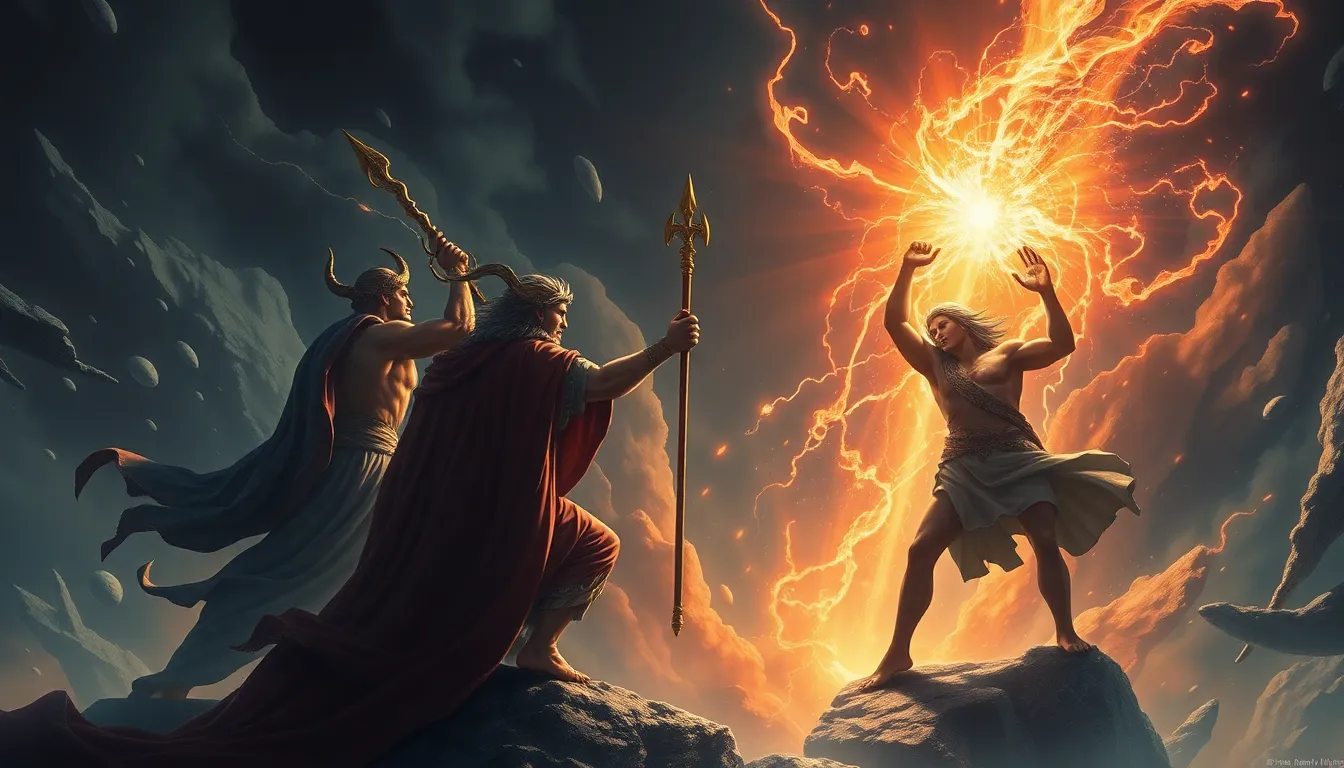
The Divine Gambit: Heroes Who Played with Fate
I. Introduction
Fate, often depicted as an inescapable force in mythology and literature, plays a crucial role in shaping the destinies of heroes and mortals alike. In many cultures, fate is personified, wielding control over the lives of individuals, often leading them towards inevitable conclusions. However, within these narratives, there exists a fascinating array of heroes who defy or manipulate their fates, engaging in a divine gamble that speaks to the resilience of the human spirit.
This article delves into the rich tapestry of heroes from various mythologies, particularly Greek mythology, who have challenged their destinies. Through their stories, we explore the intricate relationship between fate and free will, shedding light on the importance of agency in our lives. These narratives not only entertain but also provide profound insights into the human condition and the choices we make.
II. The Nature of Fate
Fate, in the context of mythology, refers to the predetermined course of events that are often out of a person’s control. Different cultures have their interpretations of fate:
- Greek Mythology: Fate is personified by the Moirai, or Fates, who weave the threads of destiny.
- Roman Mythology: Similar to the Greeks, the Parcae or Fates represent the inevitable fate of all beings.
- Hinduism: Karma plays a significant role, suggesting that one’s actions in this life affect future reincarnations.
- Christianity: The concept of divine providence often intertwines with fate, suggesting a preordained plan by God.
The philosophical implications of fate raise questions about the nature of free will versus determinism. Are our choices truly our own, or are they merely the unfolding of a predetermined fate? This debate has persisted through history, influencing literature, philosophy, and psychology.
In ancient texts and legends, fate often appears as an unyielding force, with characters striving against it. The historical context of fate is rich, demonstrating humanity’s longstanding fascination with the power of destiny and the struggle against it.
III. Classical Heroes and Their Fateful Choices
Greek mythology is replete with heroes whose lives are marked by fateful choices. These decisions often serve as metaphors for the human struggle against destiny.
A. Overview of Notable Heroes from Greek Mythology
- Oedipus: Perhaps one of the most tragic figures in Greek mythology, Oedipus is destined to kill his father and marry his mother, a prophecy foretold by the Oracle of Delphi. Despite his efforts to avoid this fate, his actions ultimately lead him to fulfill the prophecy, symbolizing the inescapability of fate.
- Achilles: The great hero of the Trojan War faces a choice between a long, unremarkable life and a short life of glory. He chooses glory, knowing it will lead to his early death. This decision encapsulates the archetypal struggle between personal ambition and the acceptance of fate.
These heroes illustrate the complex relationship between choice and fate. Their stories symbolize the timeless human struggle against predetermined outcomes, reflecting our own lives’ challenges.
IV. Modern Interpretations of Fate in Heroic Narratives
As narratives evolve, so too do the interpretations of fate and heroism. Contemporary literature and film often explore these themes in innovative ways.
A. Exploration of Contemporary Literature and Film
Modern heroes frequently challenge fate, reflecting a shift in narrative style. Examples include:
- Harry Potter: The young wizard battles against a prophesied fate, ultimately defying the dark destiny laid out for him.
- Neo from The Matrix: Neo embodies the archetype of the chosen one, grappling with the idea of destiny while striving to change the course of his fate.
The evolution of the hero’s journey, particularly in light of fate manipulation, showcases a broader spectrum of human experience. Modern narratives emphasize the power of choice and the ability to shape one’s destiny, resonating with contemporary audiences.
V. The Role of Divine Intervention
In both ancient and modern narratives, divine intervention plays a significant role in shaping heroes’ paths. The interplay between mortal actions and divine will raises questions about autonomy and fate.
A. Examination of Deities and Supernatural Forces
Many heroes are influenced by gods and supernatural beings, which can lead to their success or demise. Noteworthy examples include:
- Hercules: A demigod, Hercules is often aided by the gods, but his journey is also marked by trials imposed by them, highlighting the tension between divine will and human agency.
- Odysseus: His long journey home is riddled with divine intervention, as Athena aids him while Poseidon hinders his progress, illustrating the balance of power between gods and mortals.
This balance between divine influence and human action adds depth to the narratives, showcasing the complexities of fate and free will.
VI. The Psychological Dimensions of Playing with Fate
The motivations behind heroes who dare to gamble with their destinies reveal much about the human psyche. Characters like Oedipus and Achilles embody traits that resonate with real human experiences.
A. Insights into the Motivations of Heroes
Heroes often face internal and external conflicts that drive them to confront fate:
- Trauma: Past experiences, such as Oedipus’s tragic lineage, shape their perceptions of fate.
- Ambition: The desire for glory, as seen in Achilles, propels heroes to make fateful choices.
- Desire: Personal motivations often lead to conflicts with fate, as heroes seek to redefine their destinies.
These narratives reflect the complex interplay of risk and consequence, mirroring our own struggles with decision-making and the unknown.
VII. Lessons from Fate-Defying Heroes
The stories of heroes who challenge fate offer valuable lessons about morality and resilience. Through their journeys, several themes emerge:
A. The Moral and Ethical Implications of Challenging Fate
- What are the consequences of defying fate?
- How do personal choices impact the lives of others?
- Is it ethical to pursue one’s desires at the expense of fate?
These questions inspire readers and audiences to reflect on their own lives and the implications of their choices.
B. How These Stories Inspire Resilience and Courage
Heroes who confront fate often embody resilience and courage, encouraging us to face our challenges head-on. Their journeys remind us that while fate may be formidable, our responses to it can redefine our paths.
C. The Enduring Relevance of These Narratives in Modern Society
The fascination with fate-defying heroes persists in modern culture, resonating with the timeless struggles we all face. These narratives continue to inspire, reminding us of the power of agency in the face of destiny.
VIII. Conclusion
In exploring the theme of heroes who play with fate, we uncover key insights into the nature of destiny, choice, and divine intervention. The stories of figures like Oedipus, Achilles, and modern heroes remind us of the complexities of human experience.
Ultimately, our ongoing fascination with these narratives reflects a deep-seated desire to understand our relationships with fate and the choices we make. As we navigate our lives, may we find inspiration in the resilience and courage of those who dare to challenge their destinies.