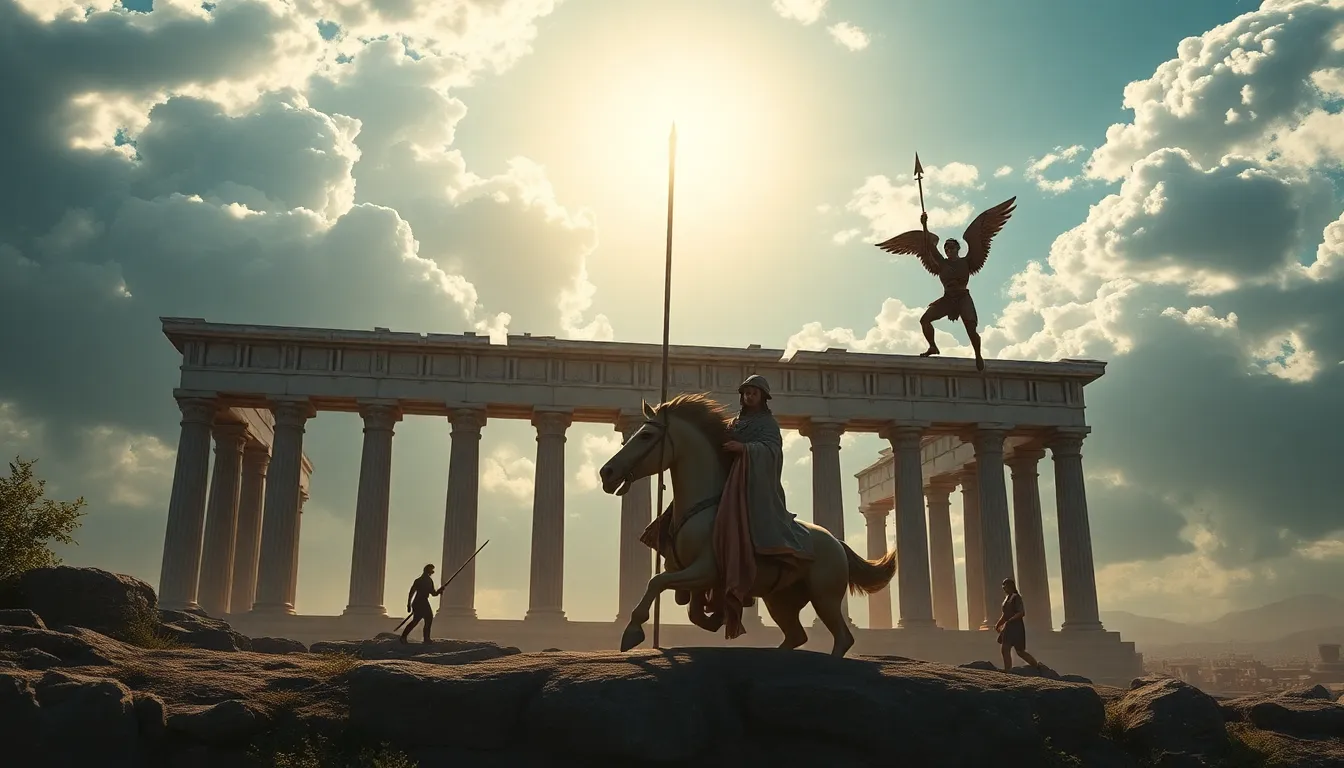
The Divine Playground: Where Heroes Tested Their Limits
I. Introduction
The concept of a “divine playground” in Greek mythology refers to the mythical realms and challenges where heroes engage in their epic quests. These settings, often influenced by the whims of the gods, serve as arenas for testing the limits of human potential and character. Throughout mythology and literature, heroism embodies the struggle against formidable obstacles, whether they be divine, monstrous, or personal.
This article will delve into the legendary heroes of ancient myths, exploring their trials and tribulations within these divine playgrounds. We will examine how these challenges not only shaped their destinies but also imparted timeless lessons that resonate even today.
II. The Mythical Origins of the Divine Playground
Ancient myths are rich with settings that serve as divine playgrounds, where the influence of gods and divine entities plays a pivotal role in shaping the narratives of heroes. These mythical origins provide a backdrop for understanding the complex interplay between mortals and the divine, as well as the trials that define heroism.
In many cultures, these divine playgrounds include:
- The Underworld: A realm of trials and tribulations, often portrayed in myths such as that of Orpheus.
- Mount Olympus: The home of the gods where divine beings would influence the fates of heroes.
- The Labyrinth: Associated with the Minotaur, it symbolizes the intricate challenges heroes must navigate.
- Scylla and Charybdis: The treacherous straits that Odysseus must pass, representing the choices heroes face between two dangers.
Such settings exemplify how the divine playground serves as a crucible for personal growth and heroism. The gods often intervene, shaping the narratives and outcomes of these heroic journeys.
III. The Trials of Hercules: A Hero’s Journey
One of the most iconic examples of a hero’s trials is the story of Hercules and his Twelve Labors. These labors, assigned to him as a punishment for a crime, serve as significant tests of strength, courage, and resilience.
The Twelve Labors include:
- The Nemean Lion
- The Lernaean Hydra
- The Ceryneian Hind
- The Erymanthian Boar
- The Augean Stables
- The Stymphalian Birds
- The Cretan Bull
- The Mares of Diomedes
- The Girdle of Hippolyta
- The Cattle of Geryon
- The Apples of the Hesperides
- The Capture of Cerberus
Each labor presents unique challenges that test Hercules’ physical abilities and mental fortitude. For instance, the battle with the Hydra not only reflects the struggle against multiple adversaries but also symbolizes the nature of confronting one’s fears, as each time Hercules struck off a head, two more would grow in its place.
The symbolism behind these trials goes beyond mere physical feats; they represent personal growth and transformation. Hercules emerges from his trials not just as a stronger hero but as a wiser individual, embodying the essence of heroism through perseverance and resilience.
IV. Odysseus and the Tests of Wit and Endurance
Odysseus, the cunning hero of Homer’s “The Odyssey,” embarks on a perilous journey home after the Trojan War. His adventures are marked by encounters with divine beings and mythical creatures, each presenting unique challenges that test his intellect and endurance.
Key encounters include:
- The Cyclops Polyphemus: Odysseus uses his wit to escape the clutches of the giant, showcasing the importance of cleverness over brute strength.
- Circe: The enchantress who transforms his men into animals, highlighting themes of temptation and the need for resilience.
- The Sirens: Their alluring song represents the dangers of distraction, requiring Odysseus to bind himself to the mast of his ship to resist their call.
- Scylla and Charybdis: A literal and metaphorical passage between two dangers that tests his leadership and decision-making.
The significance of Odysseus’ journey lies not only in his physical trials but also in the cunning and resilience he displays. His ability to navigate the divine playground of challenges reinforces the notion that heroism encompasses both strength and intellect.
V. The Role of Divine Intervention in Heroic Quests
The interplay between heroes and gods is a central theme in many myths, with divine intervention playing a crucial role in shaping the outcomes of heroic quests. Gods may offer assistance or present obstacles, influencing the hero’s journey in profound ways.
Examples of divine intervention include:
- Athena and Odysseus: The goddess of wisdom aids Odysseus throughout his journey, symbolizing the importance of divine guidance in achieving one’s goals.
- Hercules and Zeus: Hercules often receives support from his father Zeus, reflecting the idea of divine heritage and protection.
- Persephone and Demeter: Their story illustrates the interplay of life, death, and rebirth, showcasing how divine relationships impact mortal experiences.
The implications of fate and free will in these narratives raise questions about the extent to which heroes are in control of their destinies. While divine intervention can provide aid, it also complicates the notion of heroism, as characters must navigate not only their challenges but also the whims of the gods.
VI. Modern Interpretations of the Divine Playground
The influence of ancient myths continues to echo in contemporary literature and media, where modern heroes often face trials reminiscent of those experienced by their mythological predecessors. These modern interpretations reflect the evolving nature of heroism and the relevance of ancient narratives.
Examples include:
- Books: In works like “The Hunger Games,” Katniss Everdeen must navigate a brutal competition, echoing the trials of ancient heroes.
- Film: The Marvel Cinematic Universe features characters such as Thor and Loki, who embody traits of divine and heroic narratives.
- Video Games: Titles like “God of War” explore themes of vengeance, redemption, and the struggles against divine beings.
These modern heroes face challenges that reflect the timeless nature of heroism, showcasing the ongoing relevance of trials and personal growth in our contemporary society.
VII. Lessons from the Divine Playground
The heroic trials depicted in ancient myths impart moral and ethical lessons that resonate with contemporary audiences. These lessons often encompass themes of courage, resilience, sacrifice, and the importance of wisdom in overcoming challenges.
Key lessons include:
- Perseverance: Heroes like Hercules and Odysseus demonstrate that persistence in the face of adversity is essential for personal growth.
- Intelligence over strength: Odysseus’ cleverness highlights the value of wit and strategy in overcoming obstacles.
- Community and teamwork: Many heroes rely on allies and friends, emphasizing the importance of collaboration in achieving goals.
These lessons encourage individuals to reflect on their own lives and challenges, underscoring the relevance of heroism in personal development