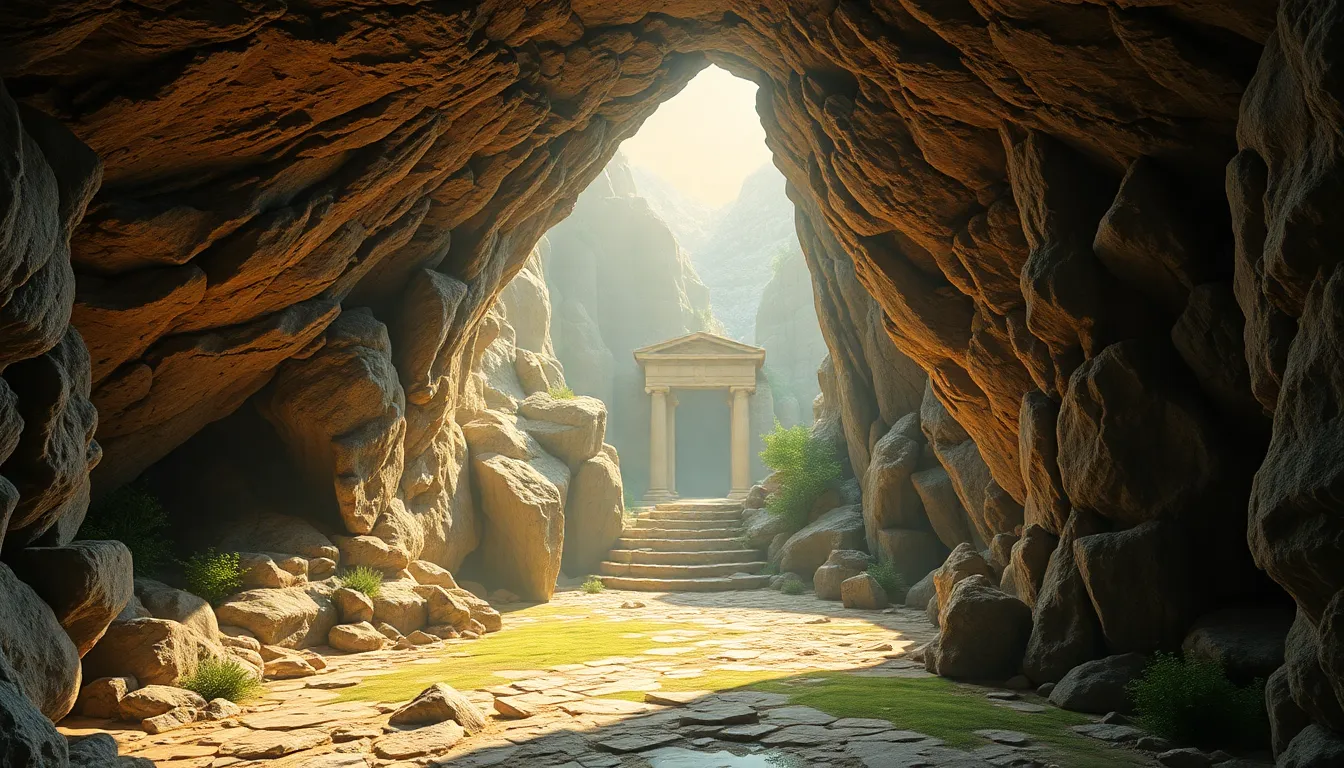
The Enchanted Caverns of Greece: Echoes of Ancient Legends
I. Introduction
Greece, a land steeped in history and myth, boasts a rich tapestry of legends that have captivated the imaginations of countless generations. From the heroic tales of gods and goddesses to the epic sagas of ancient heroes, Greek mythology remains a cornerstone of Western culture. Among the many natural wonders of this storied land, caves hold a particularly significant place, serving as both physical and metaphorical gateways to the mysteries of the ancient world.
The significance of caves in ancient Greek culture cannot be overstated. They were not merely geological formations; they played a vital role in religious practices, myths, and everyday life. This article aims to explore the enchanted caverns of Greece, delving into their geological wonders and the legends that have emerged from their depths.
II. The Geological Wonders of Greece’s Caverns
The geological landscape of Greece is diverse and fascinating, characterized by a variety of caverns formed through millennia of natural processes. These caverns can be broadly classified into several types, including limestone caves, volcanic caves, and sea caves, each offering unique features and ecosystems.
- Limestone Caves: Formed through the dissolution of soluble rocks, these caves often feature stunning stalactites and stalagmites.
- Volcanic Caves: Created by lava flow, these caves can have unique structural formations and mineral deposits.
- Sea Caves: Shaped by the relentless action of waves, these coastal caves often reveal fascinating geological and ecological dynamics.
Among the notable caverns in Greece, a few stand out:
- Melissani Cave: A stunning subterranean lake known for its ethereal beauty and mythological associations.
- Cave of Zeus: Revered as the birthplace of the king of the gods, it holds significant archaeological importance.
- Cave of Nymphs: A sacred site dedicated to the nymphs, often linked to ancient worship practices.
The interplay of geology and mythology in these caverns is profound, with the natural formations often inspiring tales of gods and heroes, reflecting humanity’s attempt to understand the world through stories.
III. The Mythical Significance of Caves in Greek Lore
Caves in Greek mythology are often perceived as gateways to the underworld, places where the veil between the living and the dead is thin. Such locations were believed to be inhabited by powerful deities and spirits.
- Pan: The rustic god of nature, often associated with shepherds and flocks, was believed to reside in caves, embodying the wild aspects of the natural world.
- Hades: The god of the underworld, his realm was often depicted as lying beneath the earth, with caves serving as entrances to his shadowy domain.
- Persephone: The queen of the underworld and daughter of Demeter, her connection to caves reflects themes of life, death, and rebirth.
Numerous legends are tied to specific caverns, enriching the cultural significance of these natural wonders. For instance, the Cave of Zeus is not only a geological marvel but also a site of worship and reverence, steeped in the lore of the ancient Greeks.
IV. The Cave of Zeus: Birthplace of the King of Gods
The Cave of Zeus, located on the island of Crete, is one of the most significant mythological sites in Greece. Its historical and archaeological importance cannot be overlooked, as it is believed to be the birthplace of Zeus, the chief deity of the Greek pantheon.
According to legend, Rhea, the mother of Zeus, hid him in this cave to protect him from his father, Cronus, who swallowed his offspring to prevent them from overthrowing him. Raised by nymphs within the cave, Zeus would eventually become the ruler of Olympus, embodying strength and authority.
The cultural impact of the Cave of Zeus extends beyond mythology; it has inspired countless works of art and literature throughout the ages. Today, it stands as a testament to the enduring legacy of Greek mythology, attracting visitors from around the world who seek to connect with its storied past.
V. Melissani Cave: A Mythical Sanctuary
Melissani Cave, located on the island of Kefalonia, is one of Greece’s most enchanting natural wonders. Its exquisite beauty is characterized by a large, open cavern with a stunning underground lake that glows in shades of azure and turquoise.
The legend of Melissani is intertwined with the nymph Melissani, who, according to myth, fell in love with the god Pan. Heartbroken by his rejection, she drowned herself in the waters of the cave, leading to her spirit residing in the lake. The cave’s ethereal ambiance and striking colors have made it a popular subject in art and literature, inspiring artists and writers to capture its mystical essence.
Melissani Cave serves as a reminder of the intertwining of nature and mythology, showcasing how the landscape can influence cultural narratives and artistic expression.
VI. The Cave of Nymphs: A Site of Worship
The Cave of Nymphs, located near the ancient city of Delphi, is another significant site in Greek mythology. This cave was dedicated to the nymphs, divine spirits associated with nature and water, and served as a site of worship for ancient Greeks.
Archaeological findings suggest that rituals and practices were conducted within the cave, reflecting its sacred status. Offerings were likely made to appease the nymphs, seeking their blessings for fertility, protection, and prosperity.
The connection between nature and spirituality is profound in Greek mythology, and the Cave of Nymphs exemplifies this relationship. The reverence for natural sites as places of worship underscores the cultural significance of these caverns in ancient Greek society.
VII. Modern Exploration and Preservation Efforts
The exploration of Greece’s caverns continues to yield fascinating discoveries, shedding light on both geological and archaeological aspects of these sites. Researchers are utilizing modern technology to map and study these formations, uncovering new insights into their history and significance.
Preservation efforts are crucial to ensure that these natural and cultural treasures are protected for future generations. Initiatives aimed at conserving the unique ecosystems within these caves and maintaining their historical integrity are essential as tourism increases.
Eco-tourism has emerged as a vital component in promoting awareness and appreciation for these sites. Local communities often benefit from sustainable tourism practices that highlight the importance of preserving both the natural landscape and the cultural heritage embedded within these caverns.
VIII. Conclusion
The enchanted caverns of Greece are more than just geological formations; they are repositories of ancient legends and cultural significance. From the Cave of Zeus to Melissani Cave, each cavern tells a story that resonates with the rich tapestry of Greek mythology.
The allure of Greece’s mystical landscapes continues to captivate the imagination of those who seek to explore its hidden depths. As we delve into these enchanted caverns, we are reminded of the powerful connection between nature, mythology, and humanity’s enduring quest for understanding.
We encourage readers to explore and appreciate these ancient sites, immersing themselves in the beauty and legends that have defined Greece for millennia.