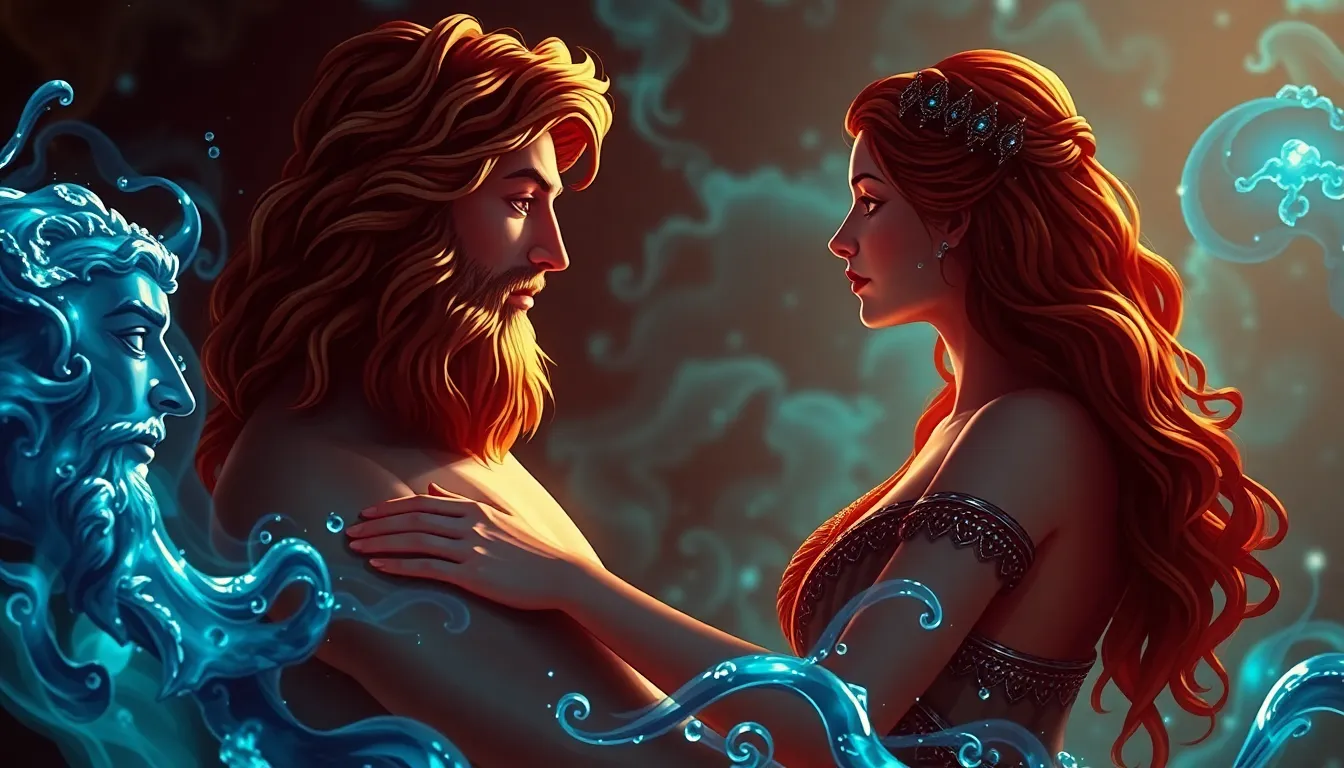
The Enigmatic Love of Theseus and Ariadne: A Labyrinth of Emotions
I. Introduction
The story of Theseus and Ariadne is one of the most poignant tales in Greek mythology, enveloped in themes of love, sacrifice, and betrayal. Their relationship is set against the backdrop of the legendary Labyrinth and the fearsome Minotaur, making it a rich narrative that captivates audiences even today.
This love story is critical in understanding the human experience, as it delves into the complexities of emotions that accompany love and the trials faced by individuals caught in extraordinary circumstances. The purpose of this article is to explore the emotional intricacies of Theseus and Ariadne’s relationship, revealing how their love is a reflection of both triumph and heartache.
II. The Mythical Background: Theseus and the Minotaur
The myth of the Minotaur is central to the story of Theseus and Ariadne. The Minotaur, a creature with the body of a man and the head of a bull, was the offspring of Queen Pasiphaë of Crete and a majestic bull, cursed by the gods. This monstrous being was confined in a complex Labyrinth designed by Daedalus, where it devoured the youth sent from Athens as tribute.
Theseus, the son of Aegeus, King of Athens, resolved to end this terror. He volunteered to be one of the tributes sent to Crete, secretly planning to confront the beast. His journey to slay the Minotaur is symbolic of his transition from youth to heroism, showcasing qualities such as bravery, intelligence, and determination.
Fate plays a crucial role in Theseus’s quest. The gods intervene, guiding him to victory and shaping his destiny. His arrival in Crete, the meeting with Ariadne, and the subsequent events all highlight the intricate dance of fate that defines their story.
III. Ariadne: The Forgotten Heroine
Ariadne, the daughter of King Minos of Crete, is often overlooked in the narrative, yet she is a pivotal character. Her connection to the Labyrinth is profound; she knows its twists and turns and understands the Minotaur’s nature. This knowledge positions her as an essential ally to Theseus.
Initially, Ariadne feels a powerful attraction to Theseus, ignited by hope and love. She sees in him the possibility of liberation not just for herself but for her people. Her emotions are palpable as she aids him, providing him with a ball of thread to navigate the Labyrinth and find his way back after facing the Minotaur. This act of support illustrates her intelligence and bravery.
Her role is significant because it emphasizes the theme of sacrifice. Ariadne’s willingness to help Theseus, despite the risks involved, showcases her depth and the emotional stakes in their relationship.
IV. The Labyrinth as a Metaphor for Emotions
The Labyrinth itself can be seen as a metaphor for the emotional landscape of Theseus and Ariadne’s relationship. It represents the physical and psychological challenges they must navigate. Just as the Labyrinth is complex and confusing, so too are the emotions experienced by the characters.
Navigating love often involves facing challenges and complexities, much like finding one’s way through a maze. The interplay of passion, fear, and uncertainty is evident in their relationship. Theseus enters the Labyrinth with confidence, but once inside, he confronts not only the Minotaur but also the emotional turmoil that love can evoke.
- Passion: The initial spark between Theseus and Ariadne is filled with desire and excitement.
- Fear: Ariadne’s fear of losing Theseus to the Minotaur mirrors the universal fear of loss in love.
- Uncertainty: Both characters navigate their feelings, unsure of what the future holds after the confrontation with the beast.
V. The Triumph and Betrayal: The Turning Point
After Theseus’s triumphant victory over the Minotaur, the initial joy of their union soon gives way to betrayal. Theseus and Ariadne escape Crete together, but in an unexpected twist, Theseus abandons Ariadne on the island of Naxos. This moment marks a significant turning point in their story.
The reasons for his abandonment are complex. Some interpretations suggest that Theseus was overwhelmed by his newfound glory and the responsibilities of leadership. Others argue that he may have been influenced by the gods or that he simply failed to appreciate Ariadne’s sacrifices and love.
The consequences of this betrayal are profound. Ariadne, left alone, experiences heartbreak and despair. Her emotional turmoil reflects the pain of unreciprocated love and abandonment, a theme that resonates deeply with many who have faced similar losses.
VI. The Cultural Impact of Their Love Story
The love story of Theseus and Ariadne has inspired countless representations in art and literature throughout the ages. Their relationship has been depicted in various forms, from ancient pottery to Renaissance paintings, illustrating the enduring appeal of their narrative.
In modern culture, Theseus and Ariadne symbolize themes of love, betrayal, and the struggle for identity. Their story is often referenced in discussions of romantic relationships, highlighting how love can lead to both triumph and heartbreak.
- Art: From classical sculptures to contemporary installations, their tale is a favorite subject for artists.
- Literature: Poets and playwrights have drawn upon their story to explore themes of love and loss.
- Film and Theatre: Adaptations of their myth continue to captivate audiences, showcasing the timeless nature of their emotions.
VII. Lessons from the Labyrinth: Love, Sacrifice, and Identity
The story of Theseus and Ariadne imparts valuable lessons about love and relationships. At its core, their narrative explores themes of loyalty and betrayal, illustrating the complexities that can arise in romantic entanglements.
Additionally, the importance of self-identity and personal agency is paramount. Ariadne’s journey emphasizes the need for individuals to recognize their worth and the significance of their contributions to relationships. Her sacrifice is noble, but it also serves as a cautionary tale about losing oneself in the name of love.
Insights into navigating complex emotions in love are evident throughout their story. The emotional labyrinth they traverse serves as a reminder that love is not always straightforward and often requires resilience and introspection.
VIII. Conclusion
The emotional journey of Theseus and Ariadne is a rich tapestry of love, sacrifice, and heartbreak. Their relationship encapsulates the timeless nature of human emotions, illustrating how love can lead to both profound joy and deep sorrow.
As we reflect on their story, it becomes clear that the labyrinthine nature of human emotions is universal. Theseus and Ariadne’s tale serves as a reminder of the complexities inherent in love and the importance of navigating our feelings with care and awareness.
Ultimately, the love story of Theseus and Ariadne endures, inviting us to explore our own emotional labyrinths as we seek connection, understanding, and meaning in our relationships.