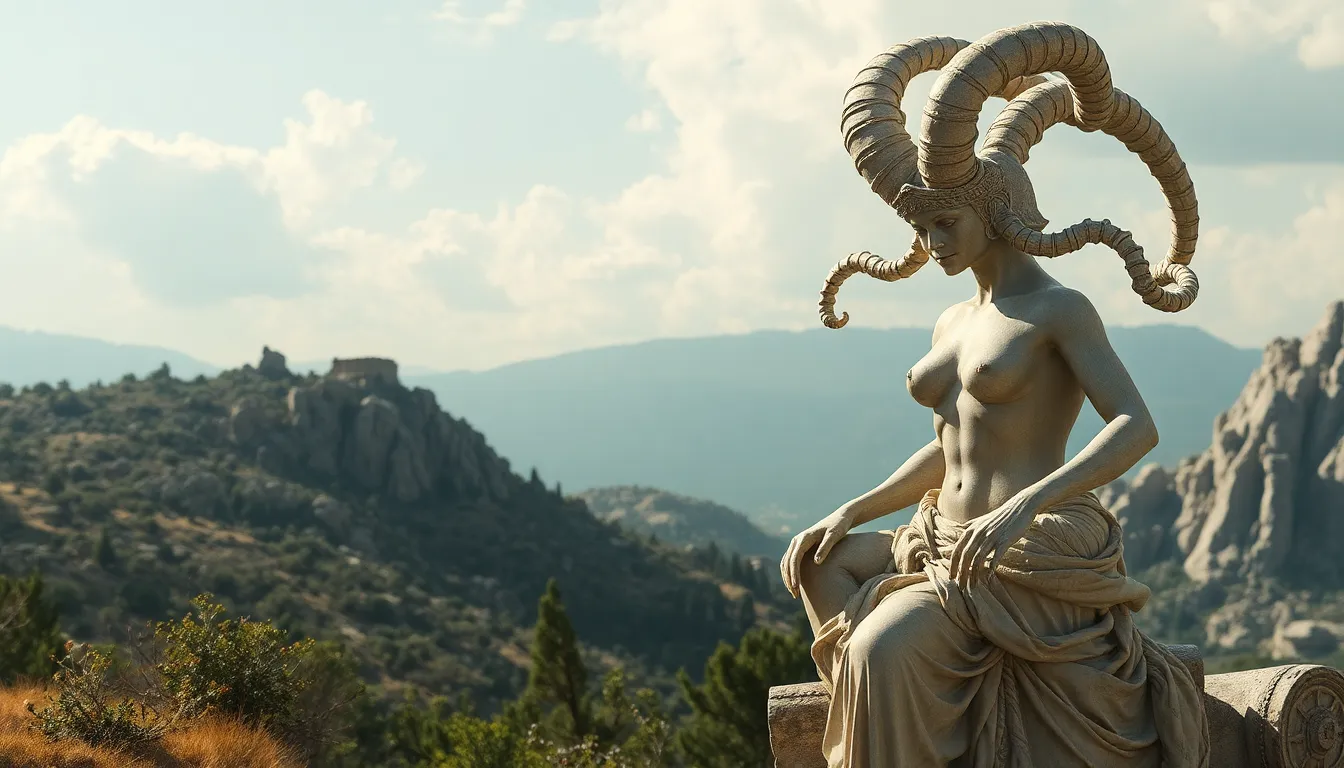
The Gorgon’s Role in the Mythological Canon of Ancient Greece
I. Introduction
Greek mythology is a rich tapestry of stories filled with gods, heroes, and mythical creatures that have captivated the human imagination for centuries. Among these fascinating beings are the Gorgons, a trio of monstrous sisters whose narratives intertwine with themes of beauty, power, and danger. The Gorgons, particularly Medusa, have become iconic figures within this mythological canon, representing the duality of femininity and monstrosity.
This article aims to explore the Gorgons’ origins, their roles in various myths, and their lasting impact on art and culture. By examining their significance, we can gain a deeper understanding of their place within the broader framework of Greek mythology.
II. Defining the Gorgons
The Gorgon myth is one of the most intriguing tales of ancient Greece, encapsulating the idea of transformation and the fearsome aspects of female power. The three Gorgons are:
- Stheno – The strongest among them, known for her ferocity.
- Euryale – The sister who possessed a terrifying scream.
- Medusa – The most famous of the three, known for her beauty and tragic story.
Physically, Gorgons are depicted as having snakes for hair, fangs like wild boars, and a gaze that could turn anyone who looked upon them to stone. This terrifying appearance symbolizes their power and the dangers associated with unchecked female rage and beauty turned monstrous.
III. Origins and Birth of the Gorgons
The Gorgons are said to be the offspring of the primordial sea deities, Phorcys and Ceto. Their birth is steeped in the mythological context of ancient Greece, where creatures often arose from the depths of the ocean or other primal forces. The Gorgons serve as a bridge in the genealogical tales of the ancient world, connecting various myths and characters.
In essence, the Gorgons represent the chaotic and often destructive forces of nature, embodying the fears and dangers that ancient Greeks associated with the unknown aspects of the world around them.
IV. The Gorgons in Myth and Legend
The Gorgons appear in several key myths, the most notable being the tale of Medusa. Her transformation from a beautiful maiden into a Gorgon serves as a cautionary tale about the consequences of hubris and the complexities of desire.
Key myths involving the Gorgons
- Medusa’s transformation – Initially a priestess of Athena, Medusa was cursed by the goddess, turning her into a monster after being violated by Poseidon in Athena’s temple.
- Perseus and the quest for the Gorgon – Perseus, a hero, is tasked with beheading Medusa. Armed with gifts from the gods, including a reflective shield, he successfully confronts her, showcasing themes of bravery and cleverness.
The Gorgons often serve as antagonists in Greek tales, representing the fears of female empowerment and the consequences of male transgression. The moral and thematic implications of their stories speak to the complexities of beauty, power, and the nature of monstrosity.
V. Symbolism and Interpretation of the Gorgons
The Gorgons epitomize the duality of female power: they are both protectors and destroyers. Their image can be interpreted in various ways:
- Symbols of female power and danger – The Gorgons embody the fierce, untamed aspects of femininity, often feared by male characters in myths.
- The duality of beauty and monstrosity – Medusa’s story illustrates how beauty can be weaponized and transformed into something terrifying.
- Cultural interpretations through the ages – Throughout history, the Gorgons have been reinterpreted to reflect societal attitudes towards women and power.
VI. Artistic Representations of the Gorgons
The depiction of Gorgons in ancient Greek art is abundant, with representations found on pottery, sculptures, and friezes. These artworks often emphasize their monstrous features, highlighting the fear they evoke.
The Gorgon has also found a place in literature and drama, inspiring countless adaptations and reinterpretations. From ancient tragedies to modern novels, the Gorgon’s image has evolved, often reflecting contemporary themes of feminism and power.
VII. The Gorgon’s Influence on Western Literature and Art
The motif of the Gorgon has permeated various artistic movements throughout history, influencing Renaissance art, Romantic literature, and modern popular culture. Artists such as Caravaggio and Salvador Dalí have drawn upon the Gorgon’s image to explore complex themes of identity and monstrosity.
In contemporary literature and media, references to the Gorgon appear in various forms, from films to graphic novels, showcasing the enduring legacy of these mythical figures. The Gorgon’s ability to resonate with audiences speaks to the universal themes of fear, beauty, and transformation.
VIII. Conclusion
The Gorgons hold a significant place within Greek mythology, serving as symbols of female power, beauty, and danger. Their stories reflect the complexities of human nature and societal attitudes towards women, making them relevant even in today’s cultural landscape.
As cultural icons, the Gorgons continue to inspire and provoke thought, reminding us of the intricate interplay between beauty and monstrosity. Their myths remain a powerful testament to the enduring nature of storytelling and its ability to reflect the human experience.