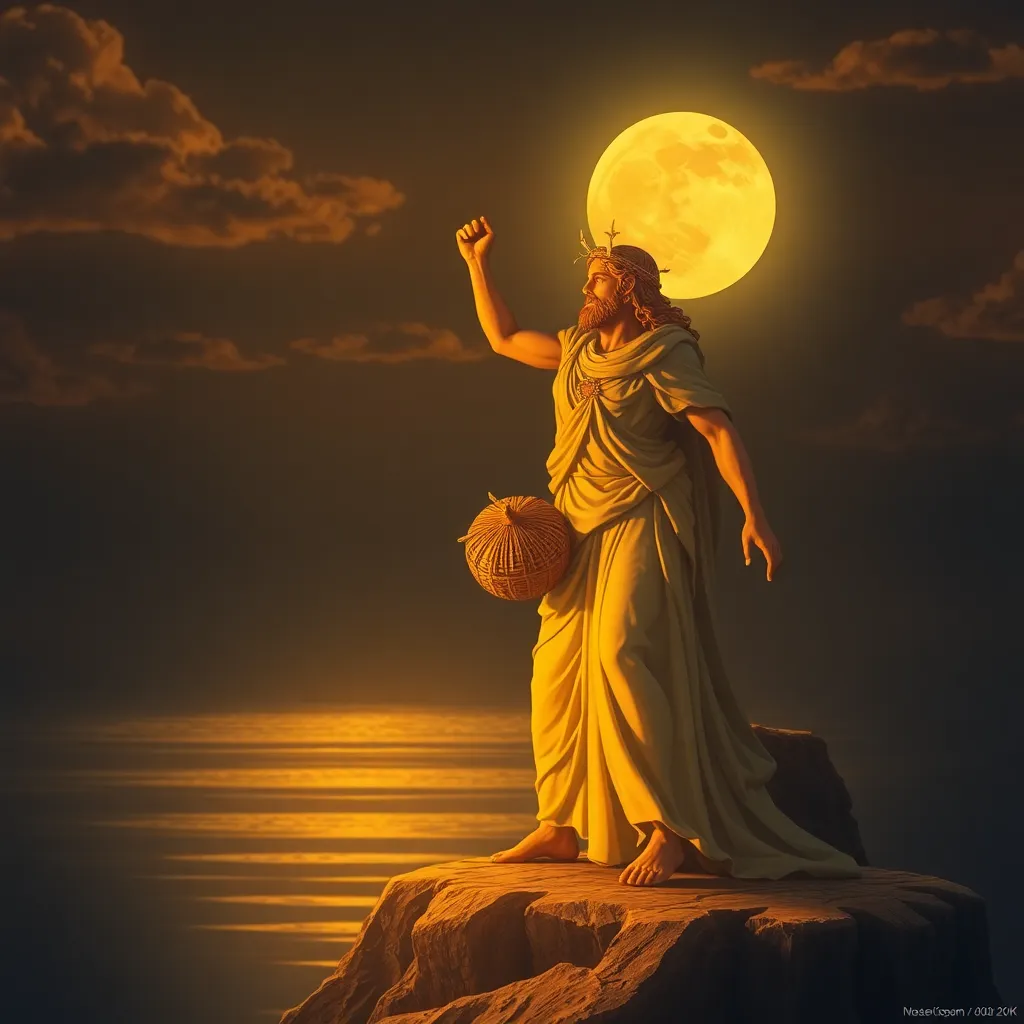
The Harvest Moon: Celebrating Demeter’s Bounty in Folklore
I. Introduction
The Harvest Moon is the full moon that occurs closest to the autumnal equinox, marking a significant time for farmers as they prepare for the harvest season. This lunar event traditionally illuminates the fields, allowing for extended hours of work in the fields after sunset. It has been celebrated across various cultures, embodying themes of abundance and gratitude.
Culturally, the Harvest Moon holds immense significance, serving as a backdrop for numerous folklore stories and rituals that honor the cycles of nature and agricultural practices. It is particularly linked to Demeter, the Greek goddess of the harvest, agriculture, and fertility, who plays a crucial role in the myths surrounding the natural world.
II. The Mythology of Demeter
In Greek mythology, Demeter is one of the Twelve Olympian deities, revered as the goddess of the harvest and agriculture. She is often depicted holding sheaves of wheat or a cornucopia, symbolizing her dominion over the earth’s fertility.
Demeter’s most famous myth involves her daughter, Persephone, who was abducted by Hades, the god of the underworld. This separation led to Demeter’s profound grief, causing the earth to become barren, which explains the changing seasons:
- Spring: Represents Demeter’s joy as Persephone returns.
- Summer: Symbolizes the abundance of harvest.
- Autumn: Marks the time of gathering and preparation for winter.
- Winter: Reflects Demeter’s sorrow during Persephone’s absence.
The symbolism of fertility and harvest in Demeter’s myths highlights the interconnectedness of life, death, and rebirth, mirroring the agricultural cycles that sustain human life.
III. The Harvest Moon in Different Cultures
The Harvest Moon has been recognized by various cultures around the world, each attributing unique names and significance to this lunar event:
- In Native American cultures, it is often referred to as the “Corn Moon” due to the timing of corn harvests.
- In Chinese culture, it coincides with the Mid-Autumn Festival, celebrating the harvest and family reunions.
- In Europe, it was traditionally called the “Wine Moon” as grapes were harvested for wine production.
Historically, many civilizations celebrated the Harvest Moon with festivals and rituals that honored the earth’s bounty. These celebrations often included feasting, dancing, and communal gatherings, reflecting gratitude for the harvest and the changing seasons.
IV. Folklore and Traditions Associated with the Harvest Moon
Folklore surrounding the Harvest Moon is rich and varied, often involving rituals and beliefs intended to ensure a bountiful harvest:
- Harvest Rituals: Many cultures conduct rituals to thank deities for the harvest and to pray for future prosperity.
- Folklore Tales: Numerous stories speak of the Harvest Moon as a time of magic and transformation, with tales of spirits and blessings bestowed upon the fields.
- Superstitions: It is commonly believed that the full moon can influence crop yields, with some farmers planting and harvesting based on lunar phases.
Such traditions emphasize the deep relationship between humanity and the natural world, showcasing a reverence for cycles of growth and decay.
V. The Science Behind the Harvest Moon
The Harvest Moon is not just a cultural phenomenon; it is also an astronomical event. It occurs in September or October, depending on the timing of the equinox. This full moon is unique because it rises shortly after sunset for several nights in a row, providing additional light for farmers harvesting their crops.
Unlike other full moons, the Harvest Moon appears larger and more vibrant due to its position on the horizon and atmospheric conditions. This phenomenon can significantly impact agricultural practices, as farmers may take advantage of the extra light to extend their working hours during the harvest season.
VI. Modern Celebrations of the Harvest Moon
In contemporary society, the Harvest Moon continues to be celebrated through various festivals and community events:
- Harvest Festivals: Many towns and cities hold annual festivals featuring local produce, crafts, and family-friendly activities.
- Community Gatherings: These events often include traditional music, dance, and storytelling that honor the themes of harvest and gratitude.
- Seasonal Celebrations: The Harvest Moon serves as a reminder to appreciate the natural rhythms of the earth, fostering a sense of community and connection to the environment.
These modern observances highlight the enduring significance of the Harvest Moon in bringing people together to celebrate nature’s bounty.
VII. The Legacy of Demeter and the Harvest Moon
The legacy of Demeter and the Harvest Moon extends far beyond ancient mythology. They have influenced art, literature, and popular culture, resonating with themes of nature, fertility, and the cyclical nature of life:
- Many artists and writers draw inspiration from the imagery of Demeter and the harvest, reflecting on the human relationship with nature.
- Modern interpretations of Demeter’s myth continue to explore themes of motherhood, loss, and renewal, maintaining her relevance in contemporary discussions about agriculture and sustainability.
The connection between nature, agriculture, and mythology remains vital, reminding us of the importance of nurturing our environment and honoring the cycles that sustain us.
VIII. Conclusion
In summary, the Harvest Moon holds significant importance in folklore and mythology, especially in connection to Demeter, the goddess of the harvest. The enduring legacy of Demeter’s myths and the celebrations of the Harvest Moon reflect a deep appreciation for the natural world and its rhythms.
As we navigate modern life, it is essential to recognize and celebrate the bounty of the earth, fostering a connection to our agricultural roots and the myths that enrich our understanding of nature’s cycles. Through folklore, we can cultivate a deeper respect for the earth and the seasonal changes that shape our lives.