The Heroic Legacy of Athens: How Legends Inspired Generations
I. Introduction
Athens, the cradle of democracy and philosophy, is not only significant for its historical contributions but also for its rich tapestry of mythology and legends. These stories, interwoven with the fabric of Athenian culture, played a crucial role in shaping the identity of its citizens. The myths of Athens served not only as entertainment but as moral frameworks that guided behavior and societal norms.
This article aims to explore the profound impact of Athenian legends on generations, examining how these narratives influenced cultural practices, education, and artistic expressions, and how they continue to resonate in modern society.
II. The Birth of Athenian Legends
A. Key figures in Athenian mythology
Among the most prominent figures in Athenian mythology are:
- Theseus: The legendary king of Athens, known for his many adventures, including the slaying of the Minotaur and the unification of Attica.
- Athena: The goddess of wisdom, warfare, and crafts, who is considered the protector of the city and its patron deity.
- Hercules: Though not exclusively an Athenian hero, his myths are deeply intertwined with Athens, especially through his labors and adventures in the region.

B. The origins of these legends and their historical context
The legends of Athens emerged from a blend of oral tradition and historical events. These stories were often rooted in real historical figures and events, embellished over time to impart moral lessons or explain natural phenomena. For example, Theseus is believed to have been based on a historical leader who united various tribes in the region, while Athena’s myths illustrate the values of wisdom and strategic warfare.
C. The interplay between history and myth in ancient Athens
In ancient Athens, history and myth were not seen as mutually exclusive. Myths were used to explain and glorify Athens’ past, often portraying the city as chosen by the gods. This narrative fostered a sense of pride and identity among Athenians, linking their civic duties to the heroic deeds of their mythical ancestors.
III. The Cultural Framework: Festivals and Rituals
A. Major festivals celebrating Athenian heroes
Festivals played a vital role in celebrating Athenian legends and reinforcing community bonds. Notable among them was the Panathenaea, a grand festival held in honor of Athena that included athletic competitions, musical contests, and a procession to the Acropolis.
B. The role of dramatic arts in preserving and propagating legends
The dramatic arts flourished in Athens, particularly during the 5th century BCE. Plays by playwrights such as Aeschylus, Sophocles, and Euripides often recounted the stories of Athenian heroes, making them accessible to the general populace. These performances not only entertained but educated citizens about their heritage and moral values.
C. How rituals reinforced community identity and values
Rituals surrounding these festivals reinforced a sense of belonging and shared identity. The collective participation in ceremonies and celebrations helped to instill civic pride and a commitment to the values embodied by their heroes. Through these rituals, Athenians connected their daily lives to the grandeur of their mythological past.
IV. Legends in Education: Shaping the Athenian Youth
A. The use of myths in teaching moral and civic virtues
Myths served as educational tools, imparting lessons on morality, heroism, and civic duty. Stories of Theseus’s bravery and Athena’s wisdom were used to teach young Athenians about the virtues of courage, intelligence, and justice.
B. Prominent educators and philosophers advocating for mythological narratives
Philosophers like Plato and Aristotle recognized the pedagogical value of myths. Plato, in particular, discussed the importance of storytelling in shaping moral character, arguing that myths should be crafted to promote virtuous behavior among the youth.
C. The influence of legends on Athenian citizenship and duty
The legends of Athens instilled a sense of duty among its citizens. Heroes like Theseus embodied the ideals of bravery and self-sacrifice, serving as role models for Athenian youth. This connection between myth and civic responsibility was essential in maintaining the democratic ideals of Athens.
V. Artistic Expressions: Visualizing the Heroic
A. Representations of Athenian legends in sculpture, pottery, and architecture
Art in ancient Athens was heavily influenced by its legends. Sculptors and potters often depicted scenes from myths, capturing the heroic deeds of figures like Theseus and Hercules. Notable works include:
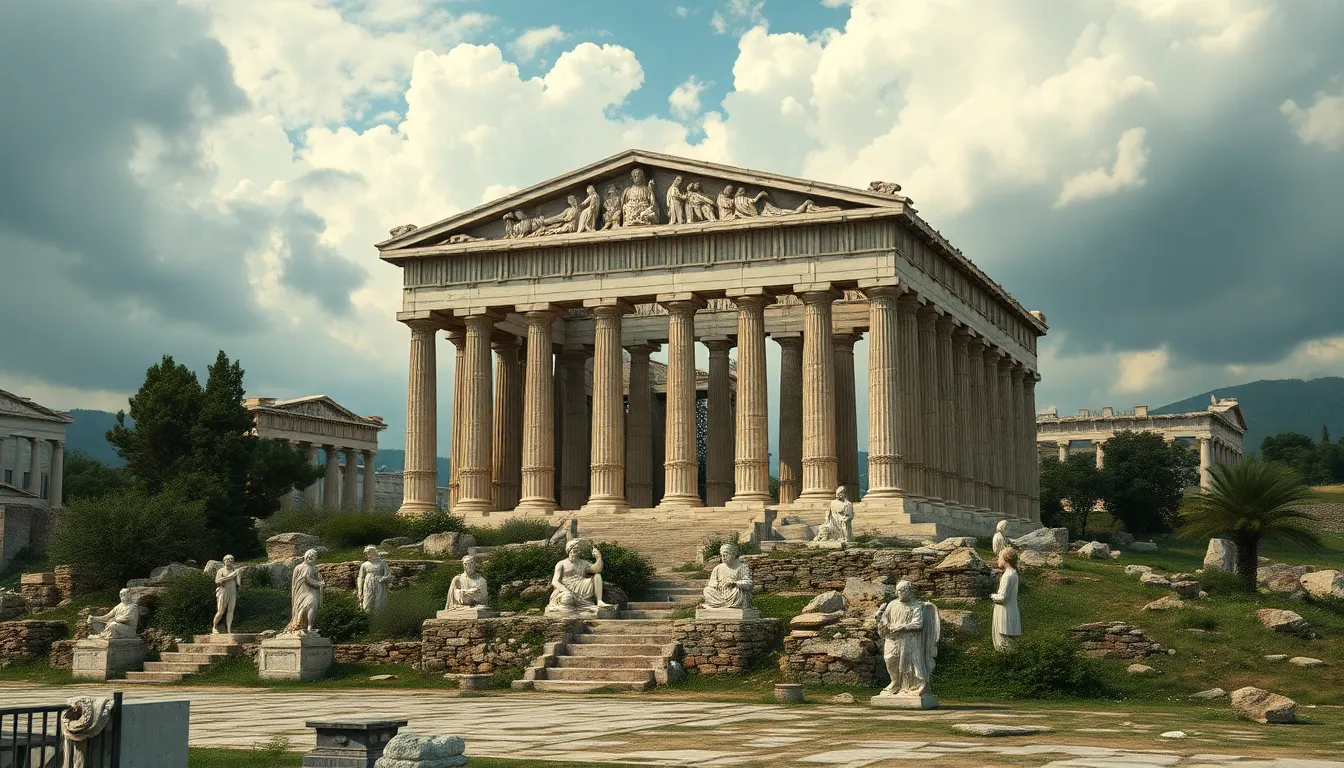
- The Parthenon: A temple dedicated to Athena, adorned with sculptures that depict various mythological scenes.
- Black-figure and red-figure pottery: These vessels frequently illustrated myths, providing insight into how legends were visualized by the Athenian people.
B. The role of art in immortalizing heroic deeds and ideals
Art served to immortalize the narratives of Athenian legends, allowing these stories to transcend time. The visual representation of heroes not only celebrated their achievements but also reinforced the values associated with them, such as bravery, wisdom, and community.
C. Analysis of significant artworks and their cultural implications
Significant artworks, such as the reliefs on the Parthenon, reveal the cultural priorities of Athens. These works not only depict mythological narratives but also symbolize the political and social values of the time, emphasizing the connection between the divine and civic life.
VI. The Influence of Athenian Legends Beyond Athens
A. How Athenian myths spread throughout the ancient world
The influence of Athenian legends extended far beyond the city-state itself. As Athenian culture spread through trade, conquest, and colonization, so too did its myths. These stories were adapted and integrated into the cultures of other regions, influencing their own mythologies.
B. The adaptation and reinterpretation of legends in other cultures
Many cultures adapted Athenian myths for their own purposes. For instance, Roman culture adopted Greek mythology, reinterpreting figures like Hercules and Theseus within their own pantheon. This adaptation often involved changing the attributes and stories of these heroes to fit local values and ideals.
C. The legacy of Athenian heroes in Roman and later European traditions
The legacy of Athenian heroes continued to resonate throughout European history. Figures like Theseus became symbolic of heroism and civic virtue in various literary and artistic works during the Renaissance and Enlightenment, influencing writers and artists across the continent.
VII. Modern Reflections: Athenian Legends in Contemporary Culture
A. The resurgence of interest in Athenian mythology in literature and media
In recent years, there has been a resurgence of interest in Athenian mythology, as evidenced by numerous adaptations in literature, film, and television. Modern retellings often reinterpret these myths to address contemporary issues and themes.
B. How modern interpretations reflect contemporary values and issues
Modern adaptations of Athenian legends frequently explore themes of identity, power, and morality, reflecting current societal values. For example, contemporary stories may emphasize gender equality by reexamining the roles of female figures like Athena and other goddesses.
C. The ongoing inspiration drawn from Athenian heroes in today’s society
Athenian heroes continue to inspire individuals and movements in today’s society. The ideals of courage, wisdom, and civic duty exemplified by figures like Theseus and Athena resonate with contemporary aspirations, encouraging individuals to strive for excellence and service to their communities.
VIII. Conclusion
The enduring significance of Athenian legends is a testament to their power to inspire and unite generations. These myths, rooted in the rich cultural heritage of ancient Athens, continue to shape our understanding of heroism, morality, and civic responsibility.
As we reflect on the legacy of Athens and its heroic figures, we recognize the timeless nature of these stories. They remind us of the potential for greatness within each of us and the importance of community and shared values in forging a better future.
In a world that often seems divided, the heroic legacy of Athens serves as a call to embrace the ideals of unity, courage, and wisdom, inspiring us to carry forth the torch of our shared human experience