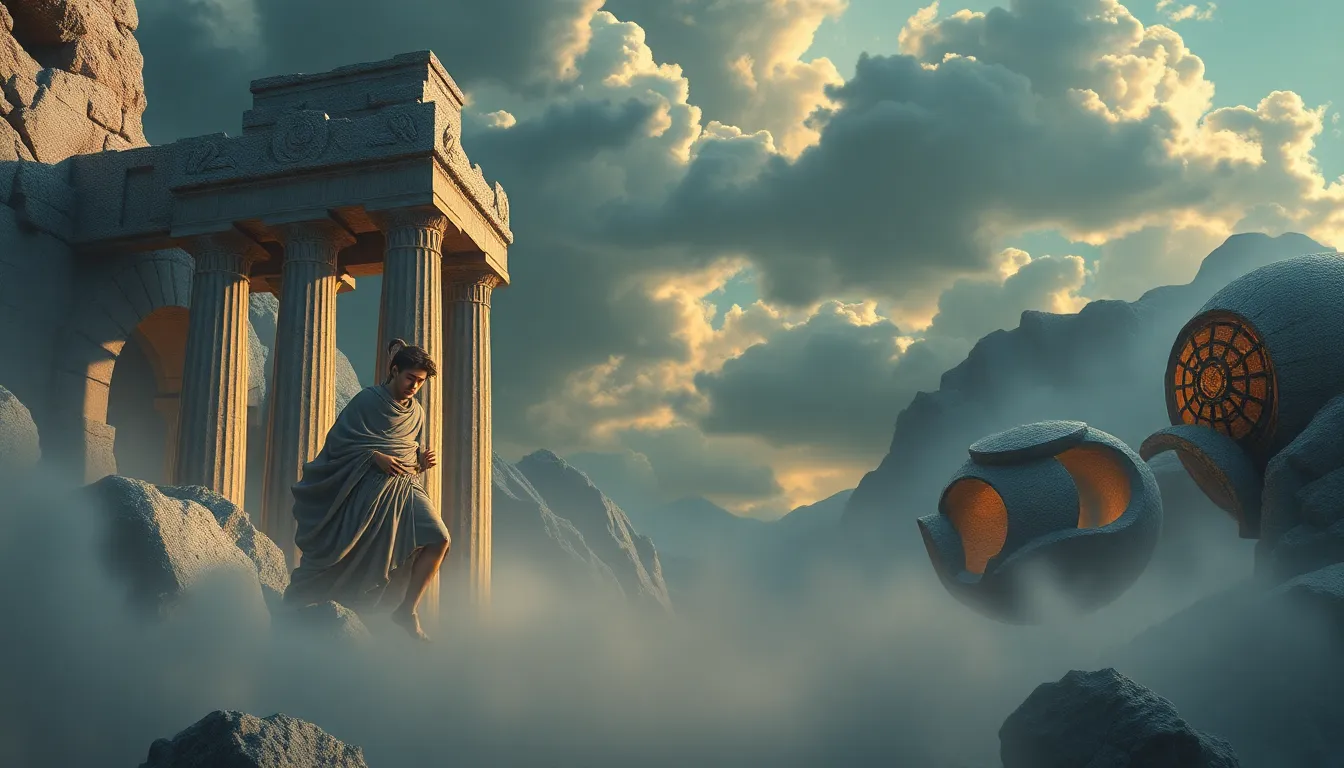
The Heroic Path of Theseus: From Youth to Legend
I. Introduction
Theseus is one of the most celebrated heroes in Greek mythology, renowned for his incredible adventures and heroic deeds. His journey from a young boy to a legendary figure encapsulates the essence of heroism, bravery, and the struggle against adversity. The narrative of Theseus is not just a tale of fighting monsters and overcoming challenges; it is a profound exploration of identity, destiny, and the moral dilemmas that define a hero. This article aims to delve into the key events and characteristics that shape Theseus’s legacy, illustrating how his life story continues to inspire and resonate in modern culture.
II. The Origins of Theseus
Theseus’s origins are steeped in myth and legend, beginning with his birth as the son of Aegeus, the King of Athens, and Aethra, a princess of Troezen. The circumstances of his conception are marked by intrigue, as Aegeus left a secret token for Aethra—a sword and sandals—when he visited her, instructing her that their son would come to claim them when he was old enough.
Raised in Troezen, Theseus was destined for greatness, but his early life was influenced by a prophecy that foretold his future. The young hero’s upbringing was shaped by formidable lessons in strength, wisdom, and leadership, which would prepare him for the challenges ahead. His education included the teachings of wise mentors and the nurturing guidance of his mother, who instilled in him the values of courage and justice.
III. The Journey to Athens
As a young man, Theseus made the pivotal decision to travel to Athens to meet his father. This journey marked the beginning of his transformation into a hero. However, the road to Athens was fraught with danger, as he encountered numerous villains and monsters, each representing a trial that would test his character and abilities.
- **Periphetes**: The club-wielding bandit, whom Theseus defeated and took his weapon.
- **Sinis**: Known as the Pine Bender, he tied his victims to bent trees, which Theseus cleverly turned against him.
- **Procrustes**: The infamous innkeeper who adjusted his guests to fit his bed, a challenge that Theseus met with cunning.
Through these encounters, Theseus began to embody the heroic qualities of strength, intelligence, and bravery. Each victory not only established his reputation but also marked his evolution from a young man into a formidable hero, ready to face even greater challenges.
IV. The Labors of Theseus
Theseus’s journey continued with a series of significant labors that showcased his strength and ingenuity. These challenges were essential in solidifying his status as a hero in Greek mythology.
Among his most notable labors were:
- Defeating Bandits: Theseus rid the countryside of notorious bandits, including Procrustes and Sinis, establishing peace and order.
- Battling Wild Beasts: He confronted ferocious beasts that terrorized local villages, including the Ceryneian Hind and the Boar of Calydon.
These victories had profound implications for Theseus’s character development. They not only enhanced his reputation but also highlighted the themes of justice and moral righteousness, as he fought for the downtrodden and oppressed. Each labor reinforced the ideals of heroism, courage, and sacrifice.
V. The Minotaur and the Labyrinth
One of the most famous tales in Theseus’s saga is his encounter with the Minotaur, a creature that was half-man and half-bull, residing in the labyrinth of Crete. The Minotaur was born from a cursed lineage, and to appease the creature, Athens was forced to send seven young men and seven young women as tributes to be sacrificed.
Theseus, embodying the spirit of a true hero, volunteered to go as one of the tributes. His bold decision was driven by a desire to end the suffering of his people and confront the monster that haunted them. Upon arrival in Crete, he met Ariadne, the daughter of King Minos, who fell in love with him and provided him with a thread to navigate the labyrinth.
The confrontation with the Minotaur was one of Theseus’s greatest challenges. Armed with courage and the clever guidance of Ariadne, he faced the beast in a fierce battle, ultimately triumphing and bringing an end to the terror that gripped Athens.
VI. The Return to Athens and the Consequences
The return journey to Athens was bittersweet for Theseus. He promised to change the sails of his ship from black to white to signal his success to his father, King Aegeus. However, in a tragic turn of events, Theseus forgot to change the sails, leading Aegeus to believe that his son had perished in the labyrinth.
Overcome with grief, Aegeus took his own life by jumping into the sea, which is now named the Aegean in his memory. This loss profoundly impacted Theseus, marking a significant turning point in his life. He ascended to the throne of Athens, inheriting the responsibilities of leadership and the weight of his father’s demise.
VII. The Later Adventures of Theseus
As king, Theseus embarked on numerous adventures that further solidified his legacy. His reign was characterized by battles, alliances, and quests that echoed his earlier heroics.
- Friendship with Pirithous: Theseus formed a deep bond with Pirithous, leading them on joint adventures, including a quest to the Underworld.
- Rescue of Persephone: Their ambitious plan to abduct Persephone from Hades resulted in their capture and a harrowing experience in the Underworld.
Theseus’s later life was marked by themes of loyalty, friendship, and sacrifice. His adventures with Pirithous exemplified the importance of camaraderie and the lengths to which friends would go for one another, even in the face of insurmountable odds.
VIII. Legacy of Theseus: A Hero for the Ages
The legacy of Theseus is woven into the fabric of Greek mythology, representing the ideals of heroism and moral strength. His stories have been immortalized in art, literature, and popular culture, serving as a testament to his enduring influence.
Throughout history, Theseus has been depicted in various forms:
- Art: Numerous sculptures and paintings capture his adventures, particularly his confrontation with the Minotaur.
- Literature: Ancient playwrights such as Euripides and Sophocles explored his character in their works, emphasizing his complexity.
- Modern Interpretations: Contemporary adaptations continue to draw inspiration from Theseus’s story, highlighting themes of heroism and personal growth.
In conclusion, Theseus stands as a symbol of heroism, embodying the qualities of bravery, intelligence, and moral integrity. His journey from youth to legend is not just a tale of triumph over adversity but also a reflection on the responsibilities of leadership and the enduring bonds of friendship. The legacy of Theseus continues to inspire and resonate, reminding us of the timeless nature of heroism and the human spirit’s capacity for greatness.