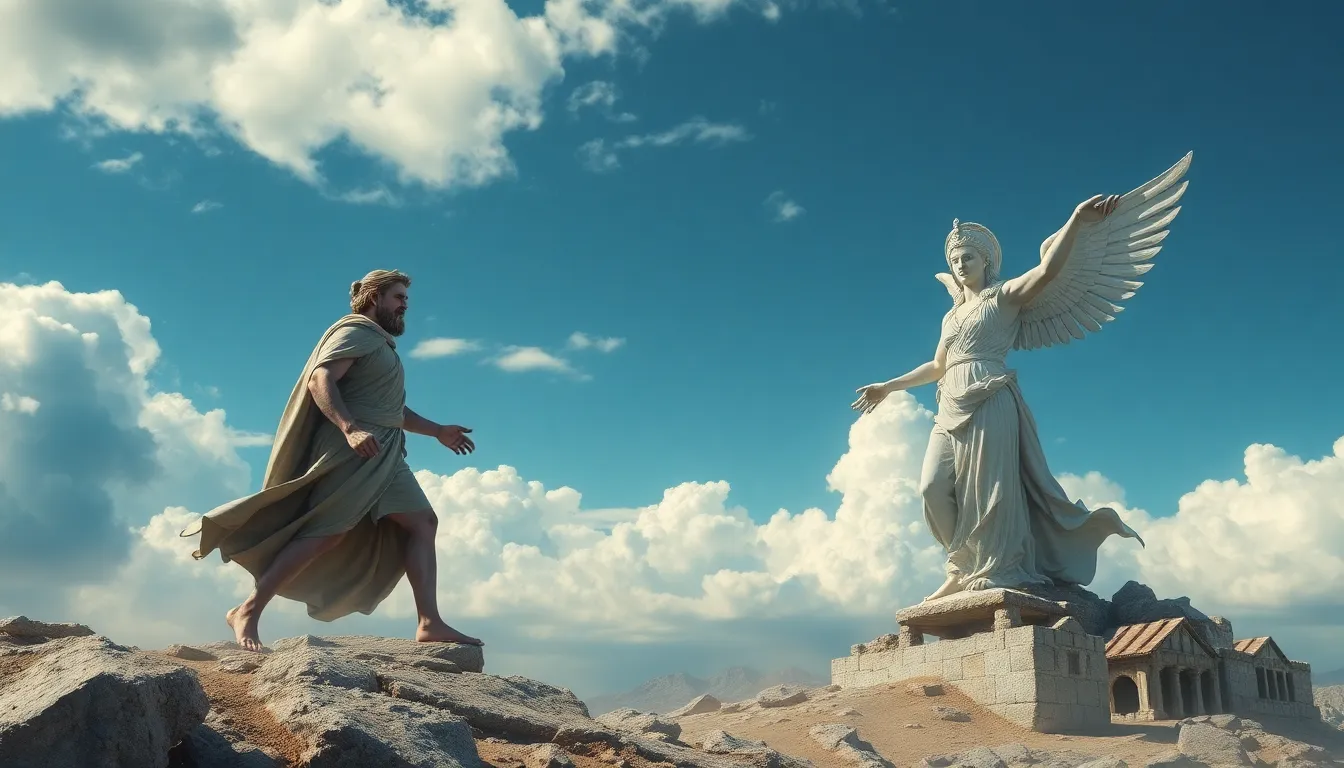
The Hero’s Dilemma: Choosing Between Mortality and Divinity
I. Introduction
The Hero’s Dilemma is a profound theme that resonates through the ages, encapsulating the struggle between the fleeting nature of human life and the allure of divine power. In many heroic narratives, protagonists are faced with choices that pit their mortal limitations against the potential for godlike abilities, leading to significant moral and ethical implications. This theme serves as a reflection of humanity’s own existential concerns, making it a vital element in literature and mythology.
This article will explore the Hero’s Dilemma in depth, examining its significance, historical context, psychological implications, and its representation in literature and film. We will uncover how heroes grapple with their mortality while being tempted by the power that divinity offers, ultimately shaping their journeys and legacies.
II. Defining Mortality and Divinity
To fully understand the Hero’s Dilemma, it is essential to define the concepts of mortality and divinity, particularly as they pertain to heroic figures in myths and stories.
A. Characteristics of Mortality in Heroes
- Human Limitations: Mortality is characterized by physical vulnerabilities, emotional struggles, and the inevitability of death.
- Relatable Flaws: Heroes often possess flaws such as pride, anger, or jealousy that render them relatable and human.
- Growth through Adversity: Mortality leads to personal growth, as heroes learn valuable lessons through their struggles.
B. Traits Associated with Divinity in Heroic Narratives
- Superhuman Abilities: Divine characters often have powers that surpass human limits, such as strength, immortality, or the ability to manipulate nature.
- Wisdom and Insight: Gods and goddesses frequently possess knowledge and foresight that guide mortal heroes.
- Symbolism of Perfection: Divinity often represents ideals of perfection, justice, and ultimate power.
C. The Tension Between Human Limitations and Divine Power
This tension creates a compelling narrative structure, as the hero must navigate the complexities of their choices. The desire for divine power often clashes with the acceptance of human limitations, leading to internal conflict and external challenges.
III. Historical Context of the Hero’s Dilemma
The Hero’s Dilemma has deep roots in ancient mythology, where heroes were often portrayed as individuals caught between the realms of human existence and divine influence.
A. Ancient Myths and Legends Showcasing the Dilemma
Across various cultures, ancient myths illustrate this conflict:
- Hercules: Faced with tasks that tested his strength and character, Hercules grappled with his mortality while striving for divinity through his heroic feats.
- Achilles: The choice between a long, uneventful life and a short, glorious existence exemplifies the hero’s struggle with mortality and legacy.
B. Evolution of Hero Archetypes Through Different Cultures
As cultures evolved, so did the archetypes of heroes. From the Greek demigods to the Norse warriors, heroes reflected the values and beliefs of their societies, often embodying the tension between mortality and divinity.
C. The Impact of Religious Beliefs on Hero Narratives
Religious beliefs have shaped the portrayal of heroes, with divine intervention often playing a critical role in their journeys. The interplay between gods and heroes reflects the cultural understanding of fate, free will, and the human condition.
IV. Psychological Implications of the Dilemma
The Hero’s Dilemma also has profound psychological implications, as heroes confront their fears and desires throughout their journeys.
A. The Hero’s Internal Conflict: Fear of Death vs. Desire for Power
Heroes often experience a profound internal conflict as they weigh the fear of mortality against the seductive call of divine power. This dichotomy drives their actions and decisions.
B. The Role of Sacrifice and Selflessness in Heroism
Many heroes ultimately choose paths that require sacrifice, reflecting the theme of selflessness. Their willingness to forego personal gain for the greater good emphasizes the nobility of their character.
C. Analysis of the Psychological Journey of the Hero
The psychological journey of the hero is marked by growth, as they confront their fears and emerge transformed. This journey often includes:
- Self-discovery
- Acceptance of limitations
- Embracing one’s humanity
V. Case Studies in Literature and Film
To illustrate the Hero’s Dilemma, we can explore several case studies from both classical and modern narratives.
A. Classic Examples: Hercules, Achilles, and Their Choices
Both Hercules and Achilles faced defining moments that shaped their legacies:
- Hercules: His choice to undertake the Twelve Labors reflects his desire for redemption and a quest for immortality, ultimately leading him to embrace his mortal side.
- Achilles: The decision to fight in the Trojan War, knowing it would lead to his demise, showcases the conflict between glory and the desire for a long life.
B. Modern Interpretations: Superman, Thor, and the Consequences of Divinity
In contemporary storytelling, characters like Superman and Thor embody similar dilemmas:
- Superman: Torn between his alien heritage and human upbringing, Superman’s struggle with his identity and responsibilities highlights the challenges of being a hero.
- Thor: His journey from arrogance to humility emphasizes the importance of understanding one’s limitations and the value of human connection.
C. Comparison of Outcomes Based on the Chosen Path
The outcomes of these heroes reveal significant insights into the consequences of their choices:
- Heroes who embrace their mortality often experience deeper connections with humanity.
- Those who pursue divinity may face isolation and the burden of their power.
VI. The Role of Supporting Characters
Supporting characters play crucial roles in shaping the hero’s journey, influencing their choices and highlighting the themes of mortality and divinity.
A. Mentors and Guides That Influence the Hero’s Choice
Figures like Chiron for Hercules or Merlin for King Arthur often guide heroes, helping them navigate their dilemmas and encouraging them to embrace both their strengths and weaknesses.
B. Antagonists Representing the Dark Side of Divinity
Villains often embody the negative aspects of divinity, representing unchecked power and hubris. Characters like Loki in Norse mythology or Hades in Greek myths serve as foils to the heroes, illustrating the dangers of divine ambition.
C. Allies That Embody the Value of Mortality
Supporting characters who are mortal often remind heroes of the beauty and fragility of human life, reinforcing the importance of their humanity and the sacrifices that come with heroism.
VII. Consequences of the Hero’s Choice
The choices made by heroes in the face of the Hero’s Dilemma have lasting implications for both themselves and the worlds they inhabit.
A. Impact on the Hero’s Journey and Personal Growth
The hero’s journey is profoundly altered by their decisions, leading to personal growth or tragic downfall. Acceptance of mortality often leads to wisdom, while the pursuit of divinity can result in isolation.
B. Effects on the World and Society Within the Narrative
The hero’s choice also affects the broader narrative world, influencing societal values and the balance of power. For instance, a hero’s embrace of mortality can foster community, while a fall into hubris can lead to chaos.
C. The Legacy of the Hero’s Decision: Heroism vs. Hubris
Ultimately, the legacy of a hero’s choice is a reflection of their character. The fine line between heroism and hubris is often drawn by the consequences of their actions, shaping how they are remembered in myth and story.
VIII. Conclusion
In conclusion, the Hero’s Dilemma is a rich and complex theme that underscores