The Historical Context of Heracles: Myths Rooted in Reality
I. Introduction
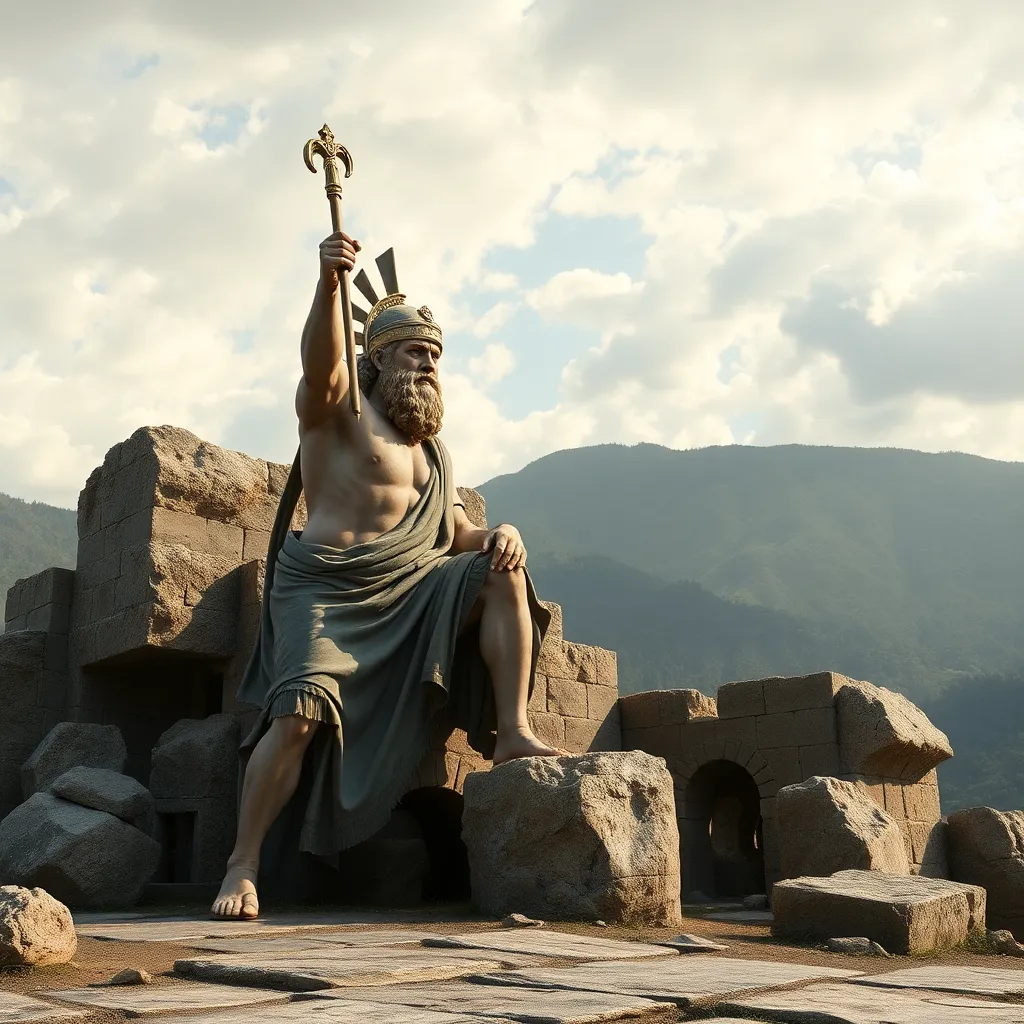
Heracles, one of the most celebrated heroes in Greek mythology, embodies the ideal of strength, bravery, and perseverance. Known for his legendary Twelve Labors, Heracles’ narrative has fascinated audiences for centuries, serving as a vital part of Greek cultural heritage. This article aims to explore the historical and cultural roots of Heracles, examining how myth intertwines with reality and the significance of distinguishing between the two.
Understanding Heracles within his historical context not only enhances our appreciation of the myths but also sheds light on the cultural values and societal norms of ancient Greece. By examining the origins, cultural impact, and legacy of Heracles, we can better comprehend the enduring nature of his story.
II. The Origins of Heracles in Ancient Greece
The genesis of Heracles is deeply embedded in the historical tapestry of ancient Greece. During the time that Heracles was said to have lived, around the late Bronze Age to the early Iron Age, Greek civilization was undergoing significant transformations, including the rise of city-states and evolving religious practices.
A. Historical background of the region during the time of Heracles
Heracles’ myths are set against a backdrop of ancient Greek society, which was characterized by a strong belief in the supernatural and a pantheon of gods who interacted with humans. The heroes of this period often embodied the virtues and struggles of the people, making them relatable and aspirational figures.
B. Early references to Heracles in ancient texts
The earliest known references to Heracles can be traced back to the epic poems attributed to Homer, particularly in the “Iliad” and “Odyssey”. These texts highlight not only his physical prowess but also his moral complexities, showcasing a hero who is both revered and flawed. Other early sources, such as Hesiod, further elaborate on his lineage and divine parentage.
C. Evolution of Heracles’ character in myth
Over time, the character of Heracles evolved through various retellings and adaptations. From a warrior celebrated for his strength, he transformed into a more nuanced figure, often grappling with themes of redemption, sacrifice, and the human condition. This evolution reflects the changing values and beliefs of Greek society.
III. The Role of Heracles in Greek Culture
Heracles served not only as a mythological figure but also as a cultural symbol that represented the ideals of ancient Greek society.
A. Heracles as a symbol of strength and heroism
Embodying the archetype of the hero, Heracles was celebrated for his physical strength and bravery. His exploits, particularly the Twelve Labors, became metaphors for overcoming challenges and adversity, resonating deeply with the Greek ethos of arete, or excellence.
B. His representation in art and literature
Heracles has been a prominent figure in various forms of art, including vase paintings, sculptures, and drama. Artists often depicted his heroic feats, such as his battle against the Nemean Lion or his confrontation with the Hydra, emphasizing both his physical and moral triumphs.
C. Influence on Greek identity and values
The myths of Heracles played a crucial role in shaping Greek identity, reinforcing values such as bravery, loyalty, and the quest for glory. His stories served as moral lessons and inspired generations to aspire towards heroism in their own lives.
IV. Historical Figures and Events Linked to Heracles
As with many myths, there are often historical underpinnings that may have inspired the tales of Heracles.
A. Possible historical figures that inspired the Heracles myth
- Some historians suggest that Heracles may have been inspired by real-life warriors or leaders who displayed extraordinary feats of strength and valor.
- Figures such as the Minoan bull-leapers or ancient warriors from the Mycenaean era may have contributed to the legend.
B. Comparison of Heracles’ labors to real historical events
Many of the labors attributed to Heracles can be likened to real events or challenges faced by ancient people, including:
- The Nemean Lion could represent the threat of wild animals in the region.
- The capture of the Golden Hind may symbolize the hunting practices of ancient Greeks.
- Cleaning the Augean Stables reflects the challenges of agricultural management in ancient societies.
C. Archaeological evidence supporting the existence of Heracles-like heroes
Archaeological findings, such as murals and inscriptions, suggest that the concept of heroic figures similar to Heracles existed in various cultures around the Mediterranean. These findings lend credence to the notion that Heracles may have been based on a composite of real-life individuals.
V. The Intersection of Myth and Reality
The relationship between myth and reality is complex and multifaceted, particularly in the case of Heracles.
A. The blending of historical facts and mythological narratives
Heracles’ story illustrates how historical facts can be woven into mythological narratives, creating a rich tapestry that reflects both reality and imagination. The embellishment of real events into heroic tales serves to elevate the significance of ordinary experiences.
B. Role of oral traditions in preserving Heracles’ story
Oral traditions played a pivotal role in the transmission of Heracles’ tales across generations. Storytellers shaped the narrative, allowing for adaptations that resonated with contemporary audiences while preserving core elements of the myth.
C. Analysis of how myths serve to explain historical phenomena
Myths like that of Heracles often provide explanations for natural events, cultural practices, and societal norms. They serve to contextualize the human experience within the larger framework of the world and its mysteries.
VI. Heracles in Different Cultures
The influence of Heracles extends beyond Greek mythology and can be seen in various cultures worldwide.
A. Comparison of Heracles with similar mythological figures from other cultures
- In Roman mythology, Heracles is known as Hercules, and many of the same stories are adapted with slight variations.
- Other cultures boast similar heroes, such as Gilgamesh in Mesopotamian mythology and Beowulf in Anglo-Saxon literature, who also embody themes of strength and heroism.
B. Influence of Heracles on Roman mythology and beyond
Heracles significantly influenced Roman culture, where he was revered as a symbol of strength and valor. Roman adaptations often emphasized his role as a protector and a figure of moral integrity.
C. Reinterpretation of Heracles in modern contexts
In modern times, Heracles has been reinterpreted in various forms of media, from films to literature, often reflecting contemporary values and issues. His character has been used as a lens through which to explore themes of identity, heroism, and the human condition.
VII. The Legacy of Heracles Today
Heracles’ legacy continues to resonate in contemporary culture, highlighting his enduring appeal as a heroic figure.
A. Heracles in contemporary literature, film, and media
From Disney’s animated film to graphic novels and video games, Heracles remains a popular character in modern storytelling. His adventures are often reimagined to connect with contemporary audiences while preserving the essence of his myth.
B. Impact of Heracles on modern notions of heroism
Heracles has shaped modern perceptions of heroism, illustrating that true strength often lies in resilience and moral fortitude rather than mere physical power. His story encourages individuals to confront their challenges with courage and determination.
C. The ongoing relevance of Heracles’ story in popular culture
Heracles’ narrative continues to be relevant, reflecting the universal quest for greatness and the human struggle against adversity. This timeless appeal ensures that his story remains a vital part of cultural discourse.
VIII. Conclusion
Heracles stands as a compelling figure deeply rooted in historical and cultural contexts, representing the complexities of the human experience. Understanding the interplay between myth and reality enriches our comprehension of not only Heracles but also the broader narratives that shape our world.
As we reflect on the significance of mythology in relation to history, we are encouraged to explore the connections between myth and reality in other cultural narratives, recognizing the enduring power of storytelling across time and cultures.