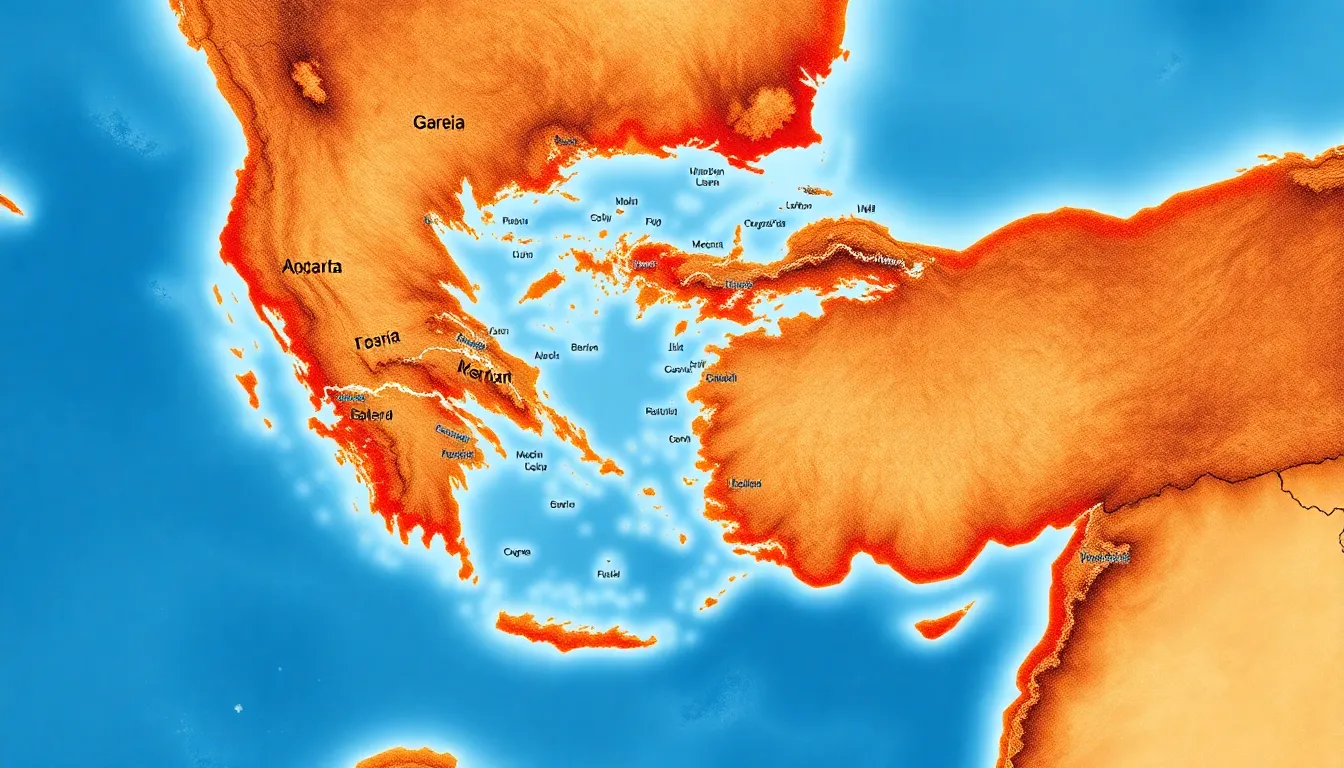
The Impact of Geography on Homer’s Narratives: A Map of the Epics
I. Introduction
Homer, the ancient Greek poet, is widely recognized for his epic poems, The Iliad and The Odyssey, which have profoundly influenced Western literature. These narratives, set against the backdrop of the ancient Greek landscape, intertwine human experiences with geographical elements that shape the characters’ journeys and conflicts.
Geography plays a vital role in the storytelling of these epics, serving not only as a setting but also as a narrative device that influences the fate and actions of the characters. This article aims to explore how the geographical context of ancient Greece informs the narratives of Homer’s epics, revealing the significance of space in shaping the human experience within these timeless stories.
II. The Geographical Context of Ancient Greece
The ancient Greek landscape is characterized by its rugged mountains, fertile plains, and a multitude of islands scattered across the Aegean Sea. This geography not only influenced the daily lives of the ancient Greeks but also served as a crucial element in Homer’s narratives.
Key locations relevant to Homer’s narratives include:
- Troy – The legendary city at the center of The Iliad
- Ithaca – Odysseus’ homeland in The Odyssey
- Aulis – The departure point for the Greek fleet to Troy
- Various islands – Each representing different cultures and encounters in Odysseus’ journey
The Aegean Sea, with its intricate network of islands and coastlines, plays a fundamental role in these narratives, symbolizing both the journey and the challenges faced by the characters as they navigate through diverse landscapes and cultures.
III. The Iliad: Geography as a Narrative Device
In The Iliad, the significance of Troy is paramount, not only as the city that the Greeks besiege but also as a focal point of cultural and political power. Its geographical positioning, overlooking the Dardanelles, made it a strategic location that controlled trade routes and military movements.
The battlefield landscapes in The Iliad are vividly described, illustrating how the terrain affects the strategies and motivations of the characters involved in the conflict. For example:
- The plains of Troy serve as the primary battleground, where the Greek and Trojan forces clash.
- The surrounding hills and rivers influence the tactics employed by both sides, reflecting the natural advantages and disadvantages faced by the combatants.
Moreover, the role of cities and territories in the alliances and conflicts among the Greek states highlights how geographical considerations shaped the political landscape of the time. The alliances formed by various city-states were often influenced by their geographical proximity and shared interests.
IV. The Odyssey: A Journey Through Diverse Geographies
The Odyssey presents a contrasting narrative, focusing on Odysseus’ long journey home after the fall of Troy. The concept of home, represented by Ithaca, carries profound geographical implications as Odysseus navigates through a world filled with diverse cultures and landscapes.
Odysseus’ encounters with various cultures illustrate the importance of geography in shaping the experiences and challenges he faces. Some notable locations include:
- The Land of the Cyclopes – A place of danger, showcasing the perils of isolation.
- Aea – Home of the enchantress Circe, representing magic and transformation.
- The Underworld – A symbolic journey into the depths of the earth, revealing themes of death and legacy.
The islands and sea routes in The Odyssey also carry symbolic meanings. The journey itself becomes a metaphor for self-discovery and the internal struggles faced by Odysseus as he strives to return home. Each geographical encounter reflects his growth and evolution as a character.
V. Thematic Connections Between Geography and Human Experience
The interplay between geography and fate in Homer’s works is a recurring theme. The landscapes often reflect the inner struggles of the characters, highlighting the connections between external environments and internal conflicts.
Some key thematic connections include:
- The role of fate: Characters’ destinies are often influenced by the geographical settings they inhabit or traverse.
- Heroism and identity: The landscapes contribute to the formation of heroic identities, as characters confront challenges that test their values and resolve.
- Isolation versus community: Geography can either isolate characters or bring them into contact with others, influencing their social interactions and alliances.
Thus, the geographical settings in both epics serve not just as backdrops but as integral parts of the narratives that shape the characters’ journeys and ultimate fates.
VI. The Use of Maps in Understanding Homer’s Epics
Historical maps of ancient Greece provide valuable insight into the geographical context of Homer’s narratives. These maps often highlight key locations mentioned in the texts, allowing readers and scholars to visualize the epic journeys undertaken by the characters.
Modern interpretations and visualizations of Homeric geography have evolved, utilizing technology to create detailed maps that illustrate the routes taken by Odysseus and the locations of significant events in The Iliad.
The role of cartography in academic studies of Homer cannot be understated. By mapping out the geographical elements present in the epics, scholars can better understand the complexities of the narratives and the motivations behind the characters’ actions.
VII. Scholarly Perspectives on Geography in Homer’s Narratives
Scholarly interpretations of geography in Homer’s narratives have evolved over time. Early analyses often focused on the historical accuracy of places mentioned in the epics, while contemporary scholarship explores the thematic and narrative functions of geography.
Key scholarly perspectives include:
- Geographical determinism: Some scholars argue that geography shapes character behavior and narrative outcomes.
- Cultural geography: Others focus on how different landscapes reflect cultural identities and values.
- Mythical geography: The blending of real and mythical locations raises questions about the significance of place in the human experience.
Debates continue regarding the accuracy and significance of geographical representations in Homer’s works, with ongoing discussions about how these representations influence our understanding of ancient Greek culture and literature.
VIII. Conclusion
In summary, the exploration of geography’s impact on Homer’s narratives reveals how deeply intertwined the landscapes of ancient Greece are with the themes and experiences presented in The Iliad and The Odyssey. Geography shapes not only the settings of these epic tales but also the fates and identities of the characters, underscoring the significance of place in human experience.
As literature continues to evolve, the relevance of geography in narrative construction remains a vital area of exploration. Further research on the geographical contexts of ancient texts can continue to illuminate the profound connections between landscape and narrative, enriching our understanding of the literary and historical significance of Homer’s epics.