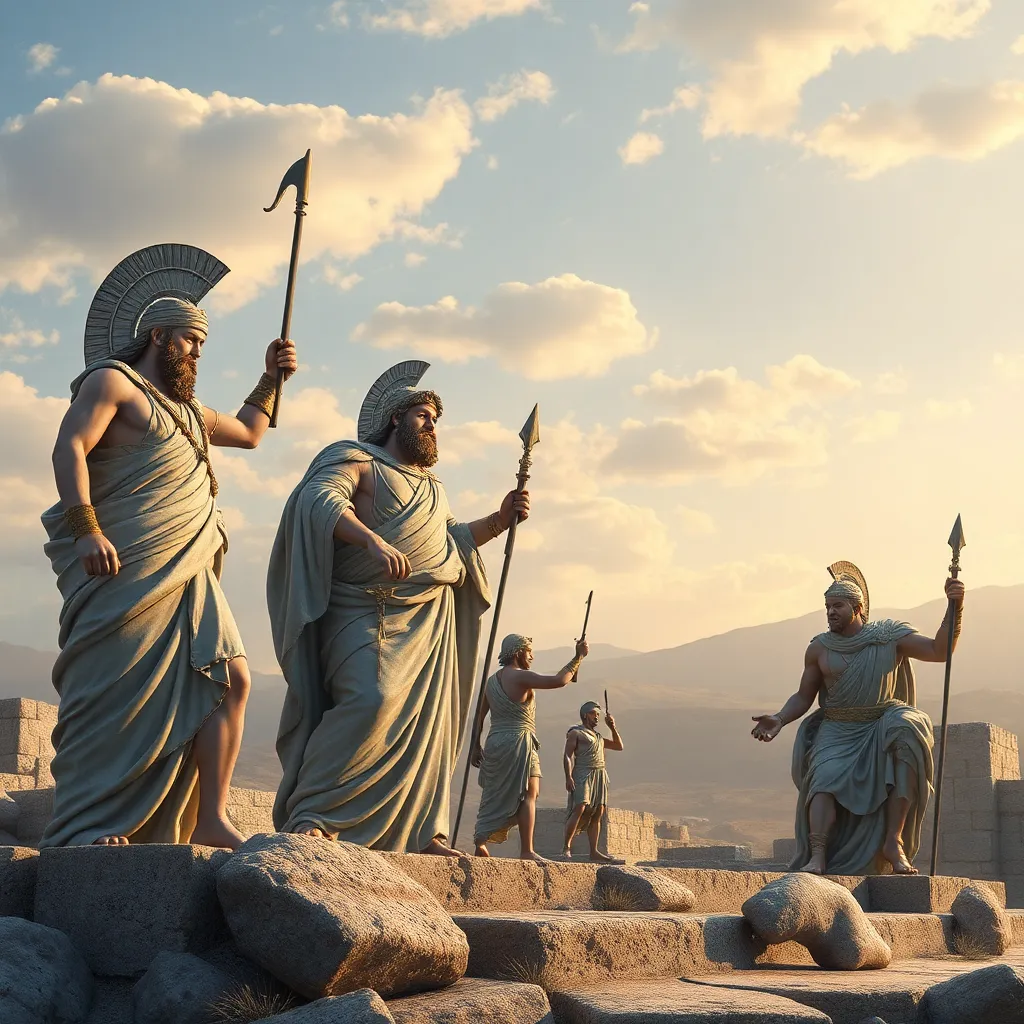
The Importance of Family Ties in the Stories of Greek Heroes
I. Introduction
Greek mythology is a rich tapestry of tales featuring gods, demigods, and heroes who embark on epic quests and face formidable challenges. At the heart of these stories lies the intricate web of family ties that not only shapes the identities of these heroes but also influences their fates. In ancient Greek culture, family relationships were of paramount importance, often dictating the course of one’s life and destiny. This article aims to explore how familial relationships mold the heroic narratives found in Greek mythology, shedding light on the profound impact of family on the lives of these legendary figures.
II. The Concept of Heroism in Ancient Greece
In Greek mythology, a hero is typically defined as a person of extraordinary courage and strength, often favored by the gods. However, the essence of heroism extends beyond mere physical prowess; it encompasses a complex interplay of character traits, moral choices, and familial obligations.
A. Definition of a hero in Greek mythology
A hero in Greek mythology is often a demigod or mortal who undertakes great challenges, often involving quests for glory, honor, or redemption.
B. Key traits of Greek heroes
- Courage and bravery
- Strength and skill in battle
- Wisdom and intelligence
- Fate often intertwined with their lineage
C. The role of fate and family in defining heroism
Fate plays a crucial role in the narratives of Greek heroes, often dictated by their familial lineage. The expectations placed upon them by their parents and ancestors can define their paths and the choices they make.
III. Familial Relationships in Heroic Narratives
The relationships between heroes and their family members are often central to their stories. These relationships can provide guidance, support, and sometimes, conflict that shapes the hero’s journey.
A. The influence of parental relationships
Parents play a significant role in determining the paths of their children in Greek mythology.
1. Examples of famous parents (e.g., Zeus and Hercules)
Hercules, born to Zeus and Alcmene, exemplifies how divine parentage sets the stage for monumental heroism, yet also burdens him with expectations and trials.
2. Impact of parental expectations and guidance
Parental guidance can be both a blessing and a curse. Heroes often struggle with their parents’ legacies and the expectations to live up to their family names.
B. Sibling dynamics and rivalries
Siblings in Greek mythology often experience competition and rivalry, which can significantly affect their heroic narratives.
1. Case studies: the rivalry between Apollo and Artemis
The twin siblings Apollo and Artemis showcase a bond that is both supportive and competitive, influencing their roles as deities and heroes.
2. How sibling relationships affect heroism
Sibling rivalries can lead to tragic outcomes, pushing heroes to confront their family members and, at times, even leading to their downfall.
IV. The Role of Ancestry and Legacy
In Greek mythology, ancestry and legacy hold immense significance, often guiding heroes’ actions and decisions.
A. The importance of lineage and heritage
Family lineage can dictate a hero’s status, the expectations placed upon them, and the outcomes of their quests.
B. Notable heroes with notable ancestry (e.g., Achilles and the House of Atreus)
Achilles, a key figure in the Trojan War, is defined by his lineage as the son of Peleus and Thetis, which imbues him with both extraordinary abilities and a heavy legacy.
C. The burden of family legacy on heroes’ choices
Many heroes grapple with the weight of their family legacies, which can lead to personal conflict and moral dilemmas.
V. The Impact of Family Conflicts
Family conflicts often serve as the catalyst for many tragic events in Greek mythology, highlighting the complex nature of familial bonds.
A. Tragic family feuds and their consequences
Family feuds can lead to devastating consequences, shaping the course of history and the lives of heroes.
1. The story of Oedipus and the curse of his family
The tale of Oedipus illustrates how familial curses can dictate the fate of a hero, leading to tragic outcomes as he unwittingly fulfills the prophecy against his family.
2. The Trojan War as a product of familial betrayal
The Trojan War, sparked by the abduction of Helen, highlights the destructive nature of familial betrayal, leading to a conflict that engulfs entire nations.
B. The intersection of personal conflict and public duty
Heroes often find themselves torn between personal loyalties and their duties to society, illustrating the complex nature of their familial ties.
VI. The Influence of Women in Heroic Tales
Women play crucial roles in the narratives of Greek heroes, often influencing their actions and decisions.
A. The role of maternal figures (e.g., Thetis and Achilles)
Thetis, Achilles’ mother, exemplifies the significant impact maternal figures have in shaping heroic destinies, providing guidance and support.
B. Female relatives as catalysts for heroic actions (e.g., Penelope’s loyalty)
Penelope’s unwavering loyalty to Odysseus during his absence emphasizes the role of female relatives in inspiring and motivating heroes.
C. Exploration of the female perspective in family dynamics
Women in Greek mythology often embody strength and resilience, influencing the actions of male heroes and challenging traditional gender roles.
VII. Lessons on Family and Morality in Heroic Tales
The stories of Greek heroes impart valuable moral lessons about family dynamics and the consequences of choices made within these relationships.
A. Moral lessons derived from family interactions
The interactions between family members often serve as a reflection of broader societal values and moral choices.
B. The duality of familial loyalty and moral choices
Heroes frequently face dilemmas that pit their loyalty to family against their moral obligations, illustrating the complexity of human relationships.
C. How stories reflect societal values regarding family
The narratives of Greek heroes often mirror the values and beliefs of ancient Greek society, emphasizing the significance of family ties.
VIII. Conclusion
In conclusion, family ties play a pivotal role in shaping the narratives of Greek heroes. From parental guidance to sibling rivalries and the impact of maternal figures, these relationships significantly influence the choices, actions, and fates of heroes. The lessons derived from these tales continue to resonate in contemporary culture, reminding us of the enduring importance of family in defining heroism today. As we reflect on these ancient stories, we can appreciate their relevance to our own lives and the universal truths they convey about the complexities of familial bonds.