The Influence of Greek Heroes on Ancient Warfare Strategies
I. Introduction
Greek mythology is replete with heroic figures whose exploits have transcended time, capturing the imagination of cultures across the ages. These heroes, such as Achilles, Odysseus, and Leonidas, are not merely characters of myth; they embody ideals that significantly influenced ancient Greek culture, particularly in the realm of warfare.
Warfare was a central aspect of ancient Greek society, shaping not only political landscapes but also cultural narratives and collective identities. The purpose of this article is to explore the profound connection between Greek heroes and military strategies, examining how their legendary feats and characteristics informed the tactics and morale of Greek warriors.
II. The Role of Mythology in Shaping Military Ideals
Mythology served as a powerful vehicle for imparting values and ideals to warriors in ancient Greece. Epic tales such as Homer’s “Iliad” and “Odyssey” depicted a world where heroism was celebrated, and the glory of battle was revered.
These stories not only entertained but also shaped the values and behaviors of warriors. The heroic code emphasized traits like bravery, honor, and loyalty—qualities that were essential on the battlefield. The concept of heroism, as illustrated through the epic narratives, had a lasting impact on the military ethos of Greek society.
A. The Depiction of Heroes in Epic Tales
Homer’s epics are foundational texts that highlight the lives of heroes. Through their struggles, victories, and sometimes tragic downfalls, these characters provided a framework for understanding the complexities of human nature and warfare.
B. Influence on Values and Behaviors of Warriors
The tales of Greek heroes instilled a sense of purpose among warriors. They were inspired to emulate the courage and cunning of figures like Achilles and Odysseus, striving to attain a similar legacy of greatness.
C. The Concept of Heroism and Battlefield Impact
The ideal of heroism became intertwined with military identity. Soldiers sought to embody these ideals, which influenced their actions in battle and their willingness to sacrifice for their comrades and their city-states.
III. Key Greek Heroes and Their Strategic Contributions
Several Greek heroes stand out for their specific contributions to military strategy and tactics, each embodying distinct qualities that were invaluable in warfare.
A. Achilles: Speed, Strength, and Personal Valor
Achilles, the central figure of the “Iliad,” is celebrated for his unmatched speed and strength. His personal valor on the battlefield set a standard for warrior conduct. His willingness to confront formidable foes underscored the importance of individual prowess in battle, inspiring soldiers to demonstrate personal bravery.
B. Odysseus: Cunning, Intelligence, and Strategic Deception
In contrast, Odysseus exemplifies the value of intelligence and cunning in warfare. His famous stratagem of the Trojan Horse is a classic example of how clever tactics can turn the tide of war. Odysseus’s approach emphasized the importance of strategy over sheer force, showcasing that victory often requires more than just brute strength.
C. Leonidas: Leadership and Terrain Utilization
Leonidas, the king of Sparta, is best known for his leadership at the Battle of Thermopylae. His strategic use of terrain and his ability to inspire his men to stand firm against overwhelming odds highlight the critical role of leadership in military success. Leonidas’s determination and tactical acumen became a model for future military leaders.
IV. The Evolution of Warfare Tactics Inspired by Heroic Narratives
The influence of Greek heroes extended beyond individual actions to the evolution of warfare tactics.
A. From Individual Heroism to Organized Military Units
As the nature of warfare progressed, the emphasis shifted from individual acts of heroism to the organization of larger military units. However, the ideals of heroism still permeated these formations.
B. Tactical Formations Inspired by Legendary Battles
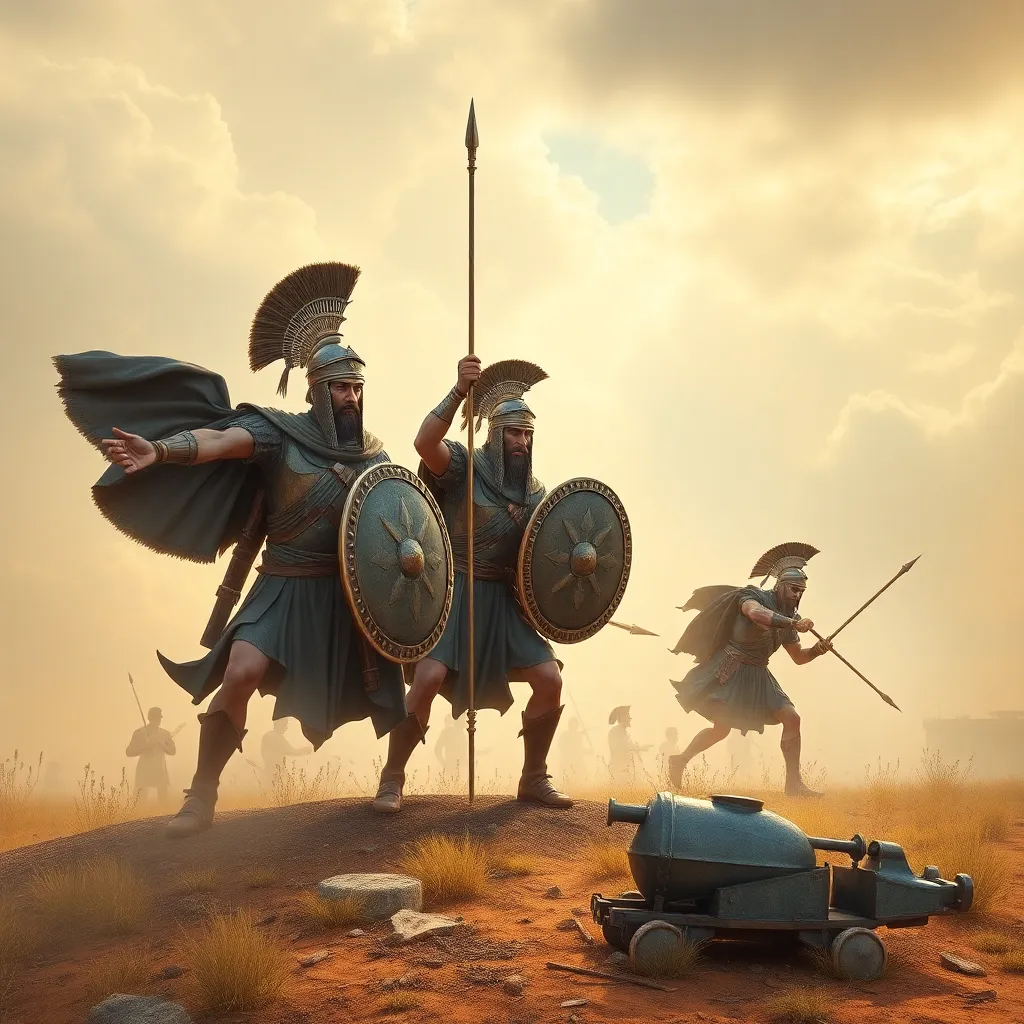
Many tactical formations, such as the phalanx, were inspired by the legendary battles involving heroes. The phalanx, a tightly packed unit of hoplites, reflected the collective spirit of heroism, where each soldier’s courage contributed to the strength of the whole.
C. The Role of Phalanx Formation and Heroic Roots
The phalanx was not only a tactical innovation but also a manifestation of heroic ideals, as it required discipline, bravery, and mutual support among soldiers. This formation allowed Greek city-states to effectively combat larger armies while preserving the spirit of individual heroism.
V. The Psychological Impact of Heroic Legends on Soldiers
The psychological influence of heroic legends on soldiers cannot be understated. The narratives of Greek heroes served to motivate and inspire troops in various ways.
A. Motivation and Morale
Heroic figures provided a source of motivation and morale, encouraging soldiers to fight valiantly. The desire to emulate their heroes often propelled warriors to achieve extraordinary feats in battle.
B. Use of Heroism in Propaganda and Recruitment
Military leaders often utilized the legends of heroes in propaganda and recruitment efforts, invoking their names and stories to attract new soldiers. This connection to heroism bolstered the image of the military and reinforced the importance of service.
C. Case Studies of Battles Influenced by Heroic Emulation
- The Battle of Marathon: Inspired by the legacy of heroes, Athenian soldiers fought fiercely against the Persians.
- The Battle of Salamis: Naval tactics were inspired by the cunning of Odysseus, greatly contributing to Greek victory.
VI. Heroes as Symbols in Military Identity and Legacy
Greek heroes have become enduring symbols within military culture, shaping identity and legacy.
A. Veneration of Heroes in Military Culture
The veneration of heroes is evident in the rituals and traditions that permeate military culture. Soldiers often looked to these figures for guidance and inspiration.
B. Construction of Monuments and Memorials
Throughout ancient Greece, numerous monuments and memorials were erected to honor heroic figures, serving as constant reminders of their valor and sacrifice.
C. Heroic Exemplars in Military Training and Education
Heroic exemplars played a crucial role in military training and education. Their stories were used to instill values and strategic thinking among new recruits, ensuring the continuation of heroic ideals.
VII. Comparative Analysis: Greek Heroes and Other Cultures
The concept of heroes is not unique to Greek culture; many ancient civilizations had their own legendary figures.
A. Similarities with Other Ancient Civilizations
Similarities can be observed in the hero narratives of other ancient civilizations, such as the Roman and Persian cultures, where heroes also served as symbols of valor and ideals in military contexts.
B. Differences in Portrayal of Heroes
However, differences exist in how these heroes are portrayed and the specific influences they have on warfare. For instance, Roman heroes often emphasized duty to the state, while Greek heroes focused on personal glory and honor.
C. Lessons Learned Across Cultures
Cross-cultural comparisons reveal that the role of heroes in military strategy often underscores the importance of morale, identity, and strategic thinking, regardless of the civilization.
VIII. Conclusion
In summary, the influence of Greek heroes on ancient warfare is profound and multifaceted. From shaping military ideals and strategies to inspiring soldiers on the battlefield, these legendary figures have left an indelible mark on military history.
The legacy of these heroes continues to resonate in modern military thought, reminding us of the interplay between mythology and strategy in the art of warfare. The heroic narratives of ancient Greece not only illuminate the past but also provide valuable insights into the nature of courage, leadership, and the enduring quest for glory in battle.