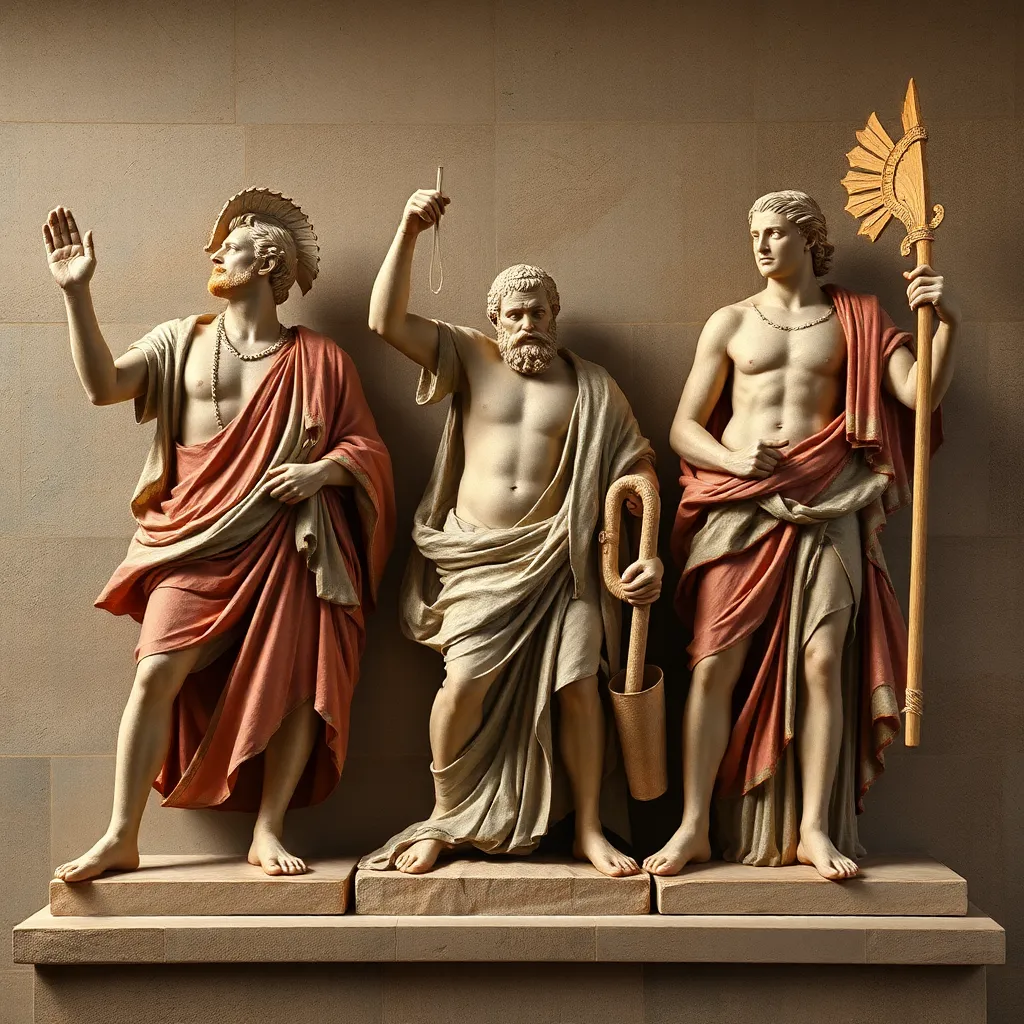
The Influence of Greek Heroes on Artistic Representations in Antiquity
I. Introduction
Greek heroes are central figures in mythology, embodying the ideals and virtues of ancient Greek culture. These legendary individuals, often born of divine ancestry, performed extraordinary feats and faced monumental challenges, making them symbols of strength, bravery, and moral integrity. The significance of Greek heroes extends beyond their mythological narratives; they played a crucial role in the artistic expressions of antiquity. This article aims to explore the influence of Greek heroes on artistic representations, examining their characteristics, the iconography associated with them, and their enduring legacy in art.
II. The Concept of Heroism in Ancient Greece
In ancient Greece, the concept of heroism was multifaceted and deeply rooted in cultural values. Greek heroes were celebrated for their:
- Characteristics of Greek heroes: These figures often exhibited exceptional strength, courage, intelligence, and a willingness to confront adversity. They were also marked by their tragic flaws, which made them relatable and human.
- The role of gods and divine ancestry: Many heroes were born from the union of a god and a mortal, granting them unique powers and favor from the divine. This connection often dictated their fates and the challenges they faced.
- The moral and ethical implications of heroism: Greek heroes were seen as embodiments of moral virtue, often engaging in quests that tested their character and moral compass. Their stories frequently conveyed lessons on honor, sacrifice, and the pursuit of excellence.
III. Iconography of Greek Heroes in Art
The artistic representation of Greek heroes is rich with symbolism and thematic elements. Common themes and symbols associated with these heroes include:
- Common themes: Many artworks depicted heroic deeds, battles, and interactions with gods, emphasizing the hero’s strengths and struggles.
- Distinctive attributes and attire: Heroes were often depicted wearing armor, carrying weapons, or adorned with laurel wreaths. Each element served to highlight their heroic status.
- Evolution of hero iconography: Over time, the iconography of heroes evolved, reflecting changes in cultural values and artistic styles. Earlier representations were more idealized, while later works showcased more individualized and emotional expressions.
IV. Major Greek Heroes and Their Artistic Depictions
Several Greek heroes stand out in both mythology and art, each with unique attributes and stories that have been immortalized through various artistic mediums.
A. Hercules: Strength and Labor
Hercules, known for his immense strength and twelve labors, is one of the most iconic heroes of Greek mythology. Artistic representations often highlight:
- His muscular physique and heroic posture.
- The use of symbols like the Nemean lion’s skin and the club.
- Scenes depicting his labors, such as slaying the Hydra or capturing the Golden Hind.
B. Achilles: Valor and Tragedy
Achilles, the central figure in Homer’s “Iliad,” represents valor and the tragic consequences of pride. Artistic depictions focus on:
- His armor and shield, often elaborately designed to signify his invincibility.
- Key moments such as his duel with Hector or his wrath following Patroclus’s death.
- Expressions of intense emotion, highlighting his complex character.
C. Odysseus: Cunning and Resourcefulness
Odysseus, the hero of the “Odyssey,” is celebrated for his intelligence and cunning. Artistic representations often showcase:
- His journey home, filled with encounters with mythical creatures and divine beings.
- Scenes such as the Trojan Horse or his encounter with the Cyclops.
- Symbolic elements like the bow, representing his rightful place as king.
V. Influence of Greek Heroes on Sculpture
The portrayal of Greek heroes significantly influenced the development of sculpture in ancient Greece. Key aspects include:
A. Development of marble and bronze sculptures
Sculptors began to depict Greek heroes in both marble and bronze, creating lifelike representations that captured their physicality and heroic qualities. Techniques evolved to showcase:
- Contrapposto poses that emphasized movement and realism.
- Detailed facial expressions that conveyed emotion and character.
B. Notable sculptures depicting Greek heroes
Some of the most famous sculptures include:
- The statue of Hercules in the Temple of Hercules in Rome.
- Myron’s “Discobolus,” showcasing athleticism and the heroic ideal.
- The “Statue of Zeus at Olympia,” representing divine heroism.
C. The impact of heroism on sculptural techniques and styles
The focus on heroic figures led to advancements in sculptural techniques, paving the way for more dynamic and expressive forms in later artistic periods.
VI. Greek Heroes in Painting and Pottery
Painting and pottery were essential mediums for depicting heroic tales and narratives in ancient Greece. Key elements include:
A. The use of vase painting to depict heroic tales
Vase painting was a popular art form that allowed for storytelling through imagery. Heroes were often portrayed in:
- Scenes from mythological narratives, illustrating key moments in their stories.
- Everyday contexts that connected the heroic to the mundane.
B. Noteworthy painted scenes featuring heroes
Some notable scenes include:
- The “Achilles and Ajax Playing Dice” by Exekias.
- The depiction of the “Labors of Hercules” on various amphorae.
C. The connection between narrative and visual representation
The interplay between narrative and visual art allowed audiences to engage deeply with the stories of heroes, enriching their cultural understanding and appreciation of heroism.
VII. The Legacy of Greek Heroes in Later Artistic Traditions
The influence of Greek heroes transcended antiquity, leaving a lasting impact on subsequent artistic traditions:
A. Influence on Roman art and culture
Roman artists adopted and adapted Greek heroic themes, creating their own representations of heroes in sculpture and painting.
B. Reinterpretation of Greek heroes during the Renaissance
During the Renaissance, artists such as Michelangelo and Raphael drew inspiration from Greek heroes, exploring themes of heroism and humanism in their works.
C. Continued relevance in modern artistic expressions
Greek heroes continue to inspire contemporary artists, filmmakers, and writers, illustrating their timeless appeal and relevance in exploring themes of heroism, morality, and the human experience.
VIII. Conclusion
The artistic representations of Greek heroes in antiquity reflect a profound intersection of mythology and creativity. From their heroic characteristics to their depiction in various art forms, these figures have shaped cultural narratives and artistic traditions for centuries. The legacy of Greek heroes persists, reminding us of the values they embodied and the stories that continue to resonate in our modern world. The enduring influence of these mythological figures demonstrates the power of art to capture the essence of heroism and the human condition across time and cultures.