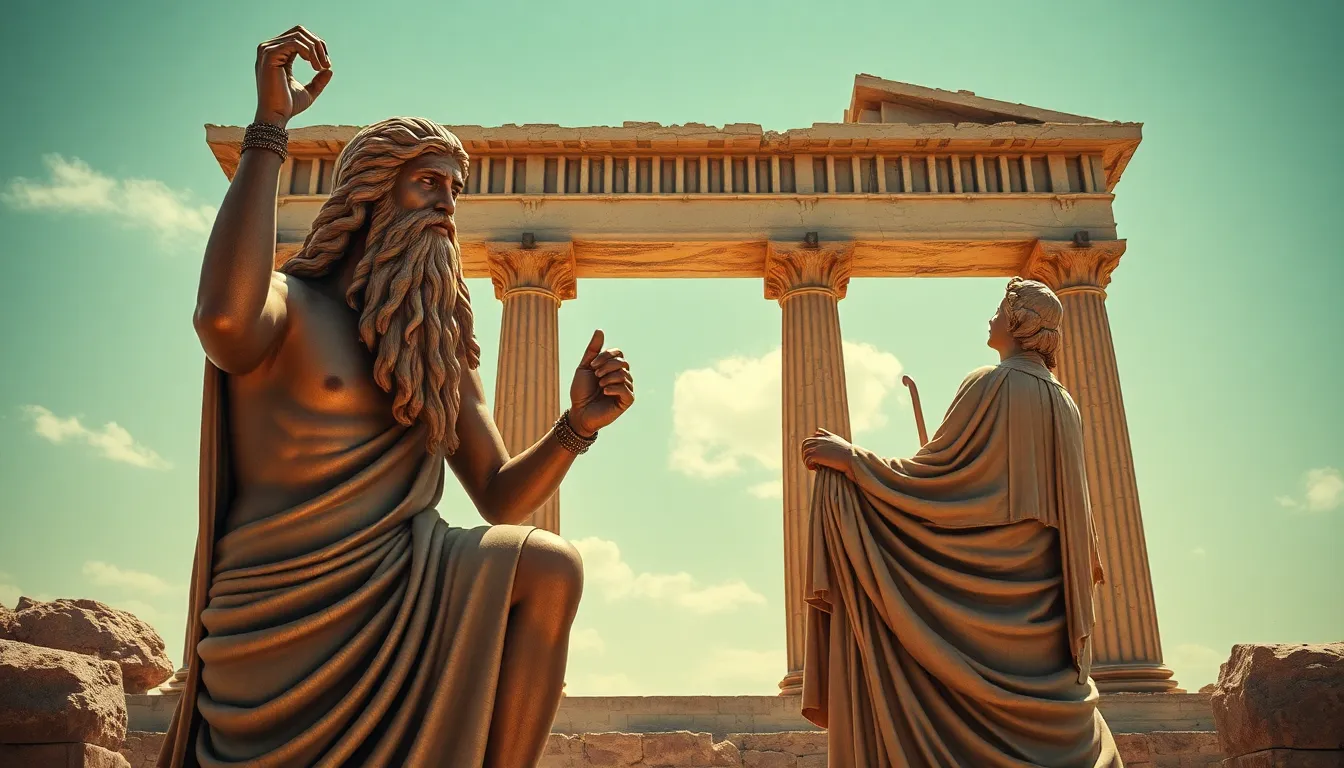
The Influence of Greek Myths on Modern Comedy
I. Introduction
Greek mythology, a rich tapestry of ancient stories, has profoundly influenced various aspects of culture, including literature, art, and theater. Its significance lies not only in its narratives but also in the archetypal characters and moral lessons that resonate through time. As comedy has evolved through the ages, it has drawn extensively from these mythological sources, weaving them into the fabric of modern humor.
This article aims to explore the intricate connections between Greek myths and contemporary comedic works, highlighting how ancient narratives continue to shape and inspire modern storytelling.
II. The Roots of Comedy in Ancient Greece
The origins of comedy can be traced back to ancient Greece, where it emerged as a distinct genre in theater. The first known forms of comedy were presented at festivals dedicated to Dionysus, the god of wine and revelry, where playwrights sought to entertain while also providing social commentary.
A. Origins of comedy in Greek theater
Comedy in ancient Greece evolved from the satyr plays that accompanied tragedies. It was characterized by its humorous tone, exaggerated characters, and often, a focus on the follies of social and political life.
B. Key playwrights: Aristophanes and Menander
Two of the most significant figures in the development of Greek comedy were Aristophanes and Menander. Aristophanes, known for his sharp wit and satirical approach, often incorporated mythological themes and characters into his plays, critiquing contemporary society and politics through humor. Menander, on the other hand, focused more on character-driven stories and romantic entanglements, yet still drew upon mythological archetypes.
C. Themes and characters derived from mythology in early comedic works
Many themes and characters in Greek comedies were derived from mythology. Common elements included:
- Gods intervening in human affairs
- Heroes facing absurd challenges
- Fables that reflected moral lessons through humor
These themes not only entertained but also offered audiences a way to reflect on their own lives and societal norms.
III. Archetypes and Motifs in Greek Myths
Greek mythology is replete with archetypes and motifs that lend themselves well to comedic storytelling. Understanding these elements can help illuminate how they manifest in modern comedy.
A. Common archetypes: gods, heroes, and tricksters
Key archetypes found in Greek myths include:
- Gods: Often portrayed as capricious and humorous figures who meddle in human affairs.
- Heroes: Characters who face exaggerated challenges, often resulting in humorous situations.
- Tricksters: Figures like Hermes who embody wit and cunning, often leading to comedic outcomes.
B. Recurring motifs: hubris, fate, and transformation
Recurring motifs in Greek myths, such as hubris (excessive pride), fate (the inescapable destiny), and transformation (metamorphosis), also play significant roles in comedic narratives. These motifs allow for a humorous exploration of human flaws and societal conventions.
C. How these elements translate into comedic narratives
The adaptation of these archetypes and motifs into modern comedy often leads to a humorous examination of human nature, where characters grapple with their flaws in exaggerated, comedic ways.
IV. The Structure of Modern Comedy and Greek Influences
The structure of modern comedy, whether in film, television, or theater, showcases significant parallels to ancient Greek comedic formats. Understanding these structural elements can reveal the enduring influence of Greek comedy.
A. The role of structure in comedic storytelling
Comedic storytelling often follows a specific structure that includes setup, conflict, and resolution. This structure aligns closely with the narrative arcs found in Greek comedies, where conflicts often arise from misunderstandings or divine interventions.
B. Parallels between Greek comedic formats and modern sitcoms and films
Modern sitcoms and films often employ similar comedic formats, such as:
- Miscommunication leading to comedic chaos
- Exaggerated character traits that lead to humorous situations
- Interventions from ‘higher powers’ that complicate plots
C. The use of satire and parody in both genres
Both Greek comedy and modern comedic works frequently utilize satire and parody to critique societal norms and human behaviors, making the humor relevant across different eras.
V. Case Studies: Modern Comedies Inspired by Greek Myths
Numerous modern comedies have drawn inspiration from Greek myths, creatively adapting these ancient stories for contemporary audiences. Below, we analyze specific films and television shows that exemplify this influence.
A. Analysis of specific films and TV shows
1. “The Simpsons” and its nods to Greek mythology
“The Simpsons” is renowned for its clever references to various cultural touchstones, including Greek mythology. Episodes such as “The Iliad” parody the epic poem, while characters like Homer embody traits reminiscent of mythological figures.
2. “Hercules” and its comedic reinterpretation of myth
Disney’s animated film “Hercules” takes a light-hearted approach to the myth of Hercules, infusing humor and modern sensibilities into the storyline. The film’s portrayal of gods and heroes adds a comedic twist to the classic tales, making them accessible to a younger audience.
3. “The Good Place” and philosophical humor rooted in mythological themes
“The Good Place” intertwines philosophical questions with humor, often referencing moral dilemmas found in Greek myths. The show explores themes of ethics and morality, reminiscent of the lessons conveyed through ancient stories.
B. Impact of these adaptations on audience perception of myths
These adaptations not only entertain but also reshape audience perceptions of Greek mythology, making them more relatable and engaging for contemporary viewers. By reinterpreting these myths through comedy, they become a lens through which modern societal issues can be examined.
VI. The Role of Humor in Conveying Moral Lessons
Greek myths often carry profound moral and ethical dimensions, serving as cautionary tales that reflect societal values. Modern comedies leverage humor to explore these complex themes, making them accessible and engaging for audiences.
A. Moral and ethical dimensions of Greek myths
Many Greek myths convey important moral lessons, such as the dangers of hubris or the necessity of humility. These themes remain relevant today, as they reflect timeless human experiences.
B. How modern comedies utilize humor to explore complex themes
Modern comedies often tackle complex themes through humor, allowing audiences to engage with serious topics in a light-hearted manner. By using comedic devices, writers can explore moral dilemmas in a way that is both entertaining and thought-provoking.
C. The enduring relevance of these lessons in contemporary society
The moral lessons embedded in Greek myths continue to resonate with contemporary audiences, providing valuable insights into human behavior and societal norms. The fusion of humor and mythology creates a space for reflection on these lessons.
VII. The Global Impact of Greek Mythology on Comedy
The influence of Greek mythology extends far beyond the borders of Greece, impacting comedic styles across the globe. As these ancient narratives spread, they adapt to different cultural contexts, enriching global comedy.
A. Cross-cultural adaptations of Greek myths in comedy
Many cultures have adapted Greek myths into their comedic traditions, often infusing local humor and social commentary. This cross-cultural exchange highlights the universal themes found in these ancient stories.
B. Influence on comedic styles in various countries
From Italy’s commedia dell’arte to Japanese storytelling traditions, Greek mythology’s influence can be traced in various comedic forms, showcasing a shared human