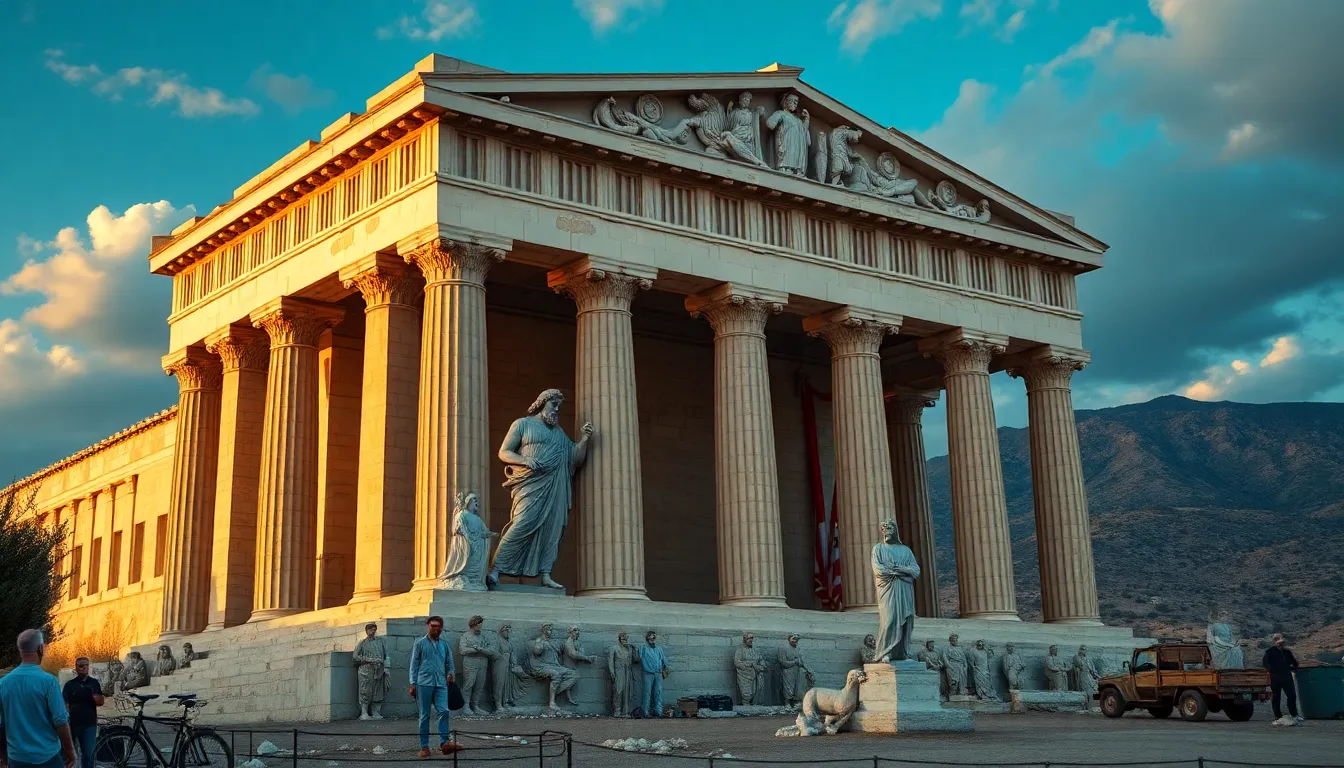
The Influence of Greek Myths on Modern Day Social Commentary
I. Introduction
Greek mythology has served as a rich tapestry of stories that have not only entertained but also provided profound insights into the human condition. These ancient tales, filled with gods, heroes, and moral dilemmas, have left an indelible mark on our culture, art, and thought. The enduring legacy of these myths continues to resonate in contemporary society, acting as a lens through which we can examine our own social issues.
Social commentary is vital in today’s world, as it encourages us to reflect on our values, behaviors, and the structures that shape our lives. By exploring the connections between Greek myths and modern social issues, we can uncover timeless truths that still apply to our current circumstances. This article seeks to delve into these connections, highlighting how ancient narratives can illuminate contemporary social discussions.
II. The Core Themes of Greek Myths
At the heart of Greek mythology are universal themes that resonate across time and cultures. These themes include:
- Love: The complexities of romantic and familial relationships are explored through tales of gods and mortals.
- Power: Myths often depict the rise and fall of leaders, illustrating the corrupting nature of power.
- Fate: The tension between free will and destiny is a recurring motif, challenging characters to confront their fates.
- Morality: Many myths serve as cautionary tales, highlighting the consequences of hubris and immorality.
These themes remain relevant today as we navigate issues like love and relationships, political power dynamics, the balance between agency and societal expectations, and the moral challenges posed by modern life.
III. Greek Myths as a Reflection of Human Nature
Greek myths offer profound insights into human behavior and societal norms. They reflect the complexities of human nature, illustrating both the noble and the flawed aspects of our character. The characters in these myths often embody archetypes that resonate with modern narratives:
- Heroes: Figures like Hercules and Odysseus represent the struggle for virtue and heroism.
- Villains: Characters such as Medusa and Hades showcase the darker sides of ambition and vengeance.
The parallels between mythological characters and modern archetypes can be seen in literature, film, and even real-life individuals. These reflections inform current social commentary by providing a framework through which we can analyze contemporary issues like inequality, injustice, and the quest for identity.

IV. Case Studies: Greek Myths in Modern Literature and Media
The influence of Greek mythology on modern literature and media is profound and pervasive. Numerous contemporary works draw inspiration from these ancient tales:
- “The Hunger Games”: This dystopian series reflects themes of power, rebellion, and sacrifice, echoing the struggles of mythic heroes against oppressive forces.
- “Percy Jackson”: A retelling of Greek myths through a modern lens, this series introduces young readers to the gods and monsters of mythology while addressing themes of identity and belonging.
These adaptations not only entertain but also serve as a platform for social discourse, prompting discussions about authority, morality, and the human experience. By weaving mythological elements into storytelling, creators can explore complex social dynamics in ways that resonate with audiences.
V. The Influence of Greek Myths on Political Commentary
Greek mythology has long been a source of inspiration in political rhetoric. Politicians and activists often leverage mythological references to make compelling arguments or to draw parallels with current events. Some examples include:
- Utilization of heroic narratives: Leaders may invoke the heroism of figures like Theseus or Achilles to frame their own struggles and aspirations.
- Allegorical references: The story of Prometheus has been used to discuss themes of innovation and the consequences of defiance against authority.
These mythological references can be effective in shaping public opinion by providing a familiar context for complex issues. By connecting modern struggles to ancient narratives, speakers can evoke emotional responses and inspire action among their audiences.
VI. Greek Myths and Social Justice Movements
Myths have been harnessed to articulate struggles for equality and justice, providing a powerful narrative framework for social movements. Feminist interpretations of figures such as Artemis and Athena reframe these goddesses as symbols of empowerment and resistance against patriarchal norms. Additionally:
- Mythical narratives: The story of Demeter and Persephone is often used to discuss themes of maternal resilience and the fight against oppressive systems.
- Solidarity and identity: Social groups have found strength in mythological narratives that resonate with their experiences, fostering solidarity and a sense of belonging.
The role of myth in these movements underscores its potential to inspire action and provide a voice to the marginalized.
VII. The Critique of Modern Society through a Mythological Lens
Greek myths serve as a critique of contemporary issues, allowing us to examine the moral dilemmas and societal flaws we face today. Key areas of critique include:
- Consumerism: Myths such as the story of King Midas highlight the dangers of greed and the insatiable desire for wealth.
- Environmental concerns: The tale of Pandora’s box can be interpreted as a warning against the unintended consequences of human actions on the environment.
Allegory plays a powerful role in addressing these issues, as it enables us to reflect on our values and priorities. Scholars and critics have noted that the relevance of myths in modern critique lies in their ability to provoke thought and inspire change.
VIII. Conclusion
In conclusion, the influence of Greek myths on modern-day social commentary is profound and multifaceted. These ancient narratives provide a rich source of themes and insights that resonate with contemporary issues, from discussions of power and morality to the challenges of social justice. By examining these connections, we can better understand our own society and the values we uphold.
The importance of mythological narratives in addressing contemporary issues cannot be overstated. They invite us to engage critically with our reality and to explore the timeless truths that inform our lives. As we continue to navigate the complexities of modern society, let us encourage further exploration and application of mythological themes in our social discourse, ensuring that the lessons of the past continue to inform our present and future.