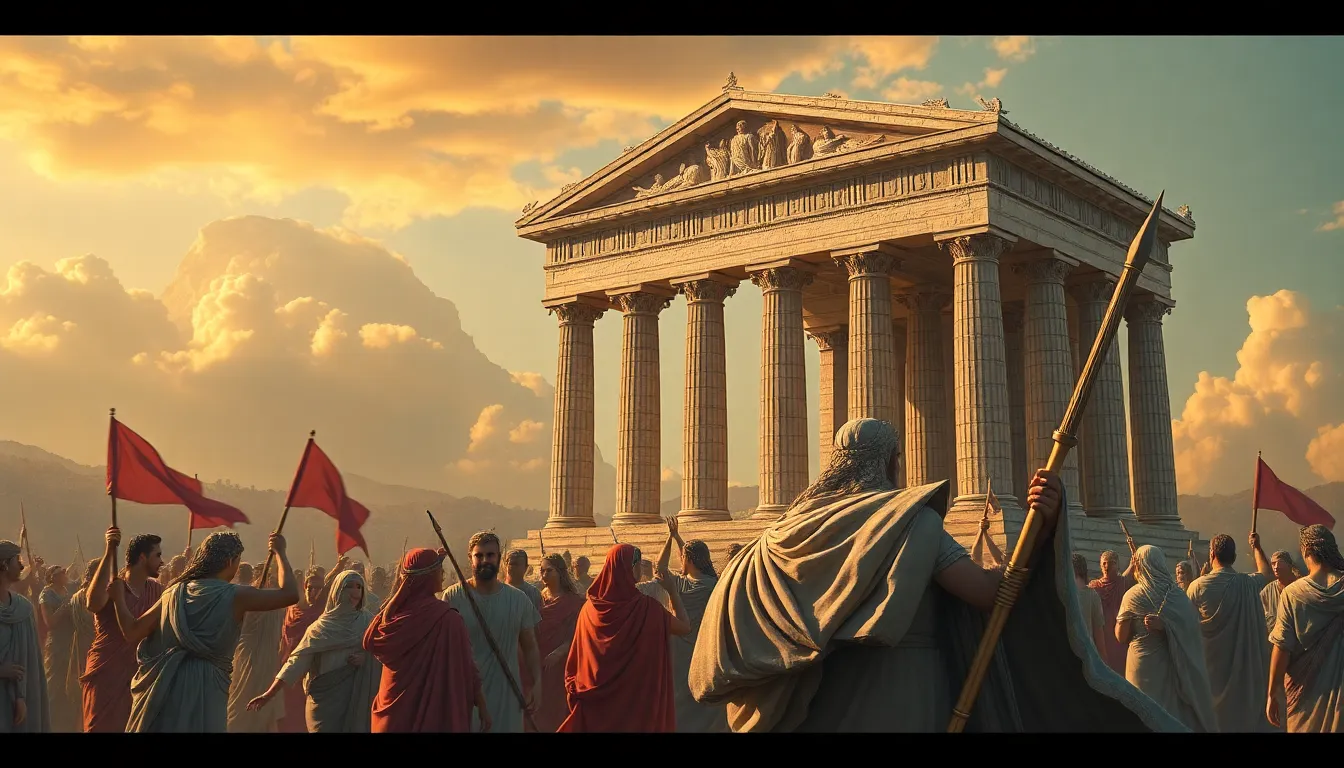
The Influence of Greek Myths on Today’s Social Movements
I. Introduction
Greek mythology, a rich tapestry of stories and characters, has captivated humanity for centuries. With its pantheon of gods, goddesses, heroes, and mythical creatures, Greek mythology serves not only as a source of entertainment but also as a profound reflection of human nature and societal values. These ancient tales have explored themes of love, power, sacrifice, and justice, all of which remain pertinent in today’s world.
Social movements, characterized by collective efforts to promote or resist change in society, aim to address issues such as inequality, injustice, and environmental crises. They embody the struggle for rights and recognition, often drawing inspiration from historical narratives and cultural symbols. This article seeks to explore the connections between Greek myths and contemporary social movements, highlighting how these ancient stories continue to resonate in modern activism.
II. The Archetypal Nature of Greek Myths
At the heart of Greek mythology lies the concept of archetypes—universal symbols and themes that recur across cultures and time. Archetypes in mythology serve as templates for understanding human experiences and emotions. They provide a framework through which individuals can relate to the struggles and triumphs of others.
Greek myths embody several universal themes, such as:
- Heroism and sacrifice
- Justice and retribution
- Love and betrayal
- Creation and destruction
Storytelling, particularly through myth, plays a crucial role in shaping cultural narratives. These narratives not only reflect societal values but also inspire individuals and groups to take action, fostering a sense of belonging and purpose among those who identify with the themes present in these ancient tales.
III. Feminism and the Power of Goddesses
Greek mythology features a plethora of powerful goddesses, each representing different aspects of femininity and strength. Prominent figures such as Athena, the goddess of wisdom and warfare, and Artemis, the goddess of the hunt and independence, symbolize empowerment and resilience. Their stories have been reinterpreted by modern feminists as representations of female strength and autonomy.
The connection between these ancient figures and contemporary feminist movements is profound. Feminists draw on the symbolism of goddesses to advocate for women’s rights and gender equality. For instance:
- Athena’s strategic prowess is often invoked in discussions of women’s leadership and agency.
- Artemis represents the fight against patriarchal control over women’s bodies and choices.
Several feminist campaigns have been inspired by these myths, utilizing the imagery and narratives to galvanize support and raise awareness. Case studies include:
- The “We Are All Athena” campaign, which seeks to empower women leaders globally.
- The “Artemis Rising” initiative, advocating for reproductive rights and bodily autonomy.
IV. The Hero’s Journey and Activism
Joseph Campbell’s concept of the Hero’s Journey outlines a narrative pattern found in many myths, including Greek ones. This journey encompasses stages such as the call to adventure, trials and tribulations, and the ultimate return with newfound wisdom. Activists often embody this archetype, facing challenges in their quests for social justice.
Modern heroes and activists demonstrate qualities reminiscent of mythological figures. For instance:
- Martin Luther King Jr. parallels Prometheus, as both fought for justice and faced immense opposition.
- Greta Thunberg reflects the spirit of Persephone, emerging from the underworld of climate apathy to advocate for environmental change.
These individuals not only inspire through their actions but also evoke the timeless themes present in Greek mythology, reminding us that the struggle for justice is a journey shared across generations.
V. Environmentalism and Nature Deities
Nature plays a significant role in Greek mythology, with deities representing various aspects of the natural world. Figures like Gaia, the personification of Earth, and Pan, the god of the wild, highlight the interconnectedness of humanity and nature. These deities embody the reverence for the environment that is critical in contemporary environmental movements.
Modern activists draw inspiration from these figures to promote ecological awareness and activism. The significance of nature deities in this context includes:
- Gaia as a symbol of the Earth’s fragility, reminding us of our responsibility to protect the environment.
- Pan representing the beauty and necessity of biodiversity, urging us to preserve natural habitats.
Movements such as the “Gaia Theory” advocate for environmental sustainability by emphasizing the need for humans to live in harmony with nature, drawing directly from the lessons of Greek mythology to inspire action.
VI. Social Justice and the Concepts of Hubris and Nemesis
Two critical concepts in Greek mythology are hubris (excessive pride) and nemesis (retribution). These themes are not only central to many myths but also have significant applications in modern social justice issues. The tales of characters like Icarus, who fell due to his hubris, serve as cautionary tales about the consequences of overstepping boundaries.
In the context of social justice, hubris can be seen in the actions of those in power who disregard the rights and needs of marginalized communities. Conversely, nemesis represents the inevitable backlash or consequences that arise from such actions. The moral lessons drawn from these ancient tales resonate today, reminding us of the importance of humility and accountability.
Examples of this application include:
- Movements against corporate greed, emphasizing the hubris of corporations ignoring societal impact.
- Grassroots activism that seeks to hold power accountable, reflecting the concept of nemesis as a form of social justice.
VII. The Impact of Greek Myths on Cultural Identity and Collective Action
Greek myths foster a sense of identity within social movements, providing narratives that unite individuals around common causes. These ancient stories resonate across cultures and backgrounds, creating a shared understanding of struggle and resilience.
Mythological narratives play a pivotal role in collective action by:
- Offering symbols and stories that inspire solidarity among diverse groups.
- Creating a cultural framework for understanding and addressing contemporary issues.
Examples of movements that draw on Greek mythological references include:
- The “Women’s March,” which evokes the spirit of powerful goddesses to symbolize women’s strength.
- The “Climate Strikes,” referencing Gaia to emphasize the urgency of environmental action.
VIII. Conclusion
The enduring influence of Greek mythology on contemporary social movements is a testament to the power of storytelling in shaping human experience. These ancient myths, rich with archetypes and universal themes, continue to inspire activists and movements worldwide.
As we reflect on the connections between these timeless narratives and modern struggles for justice, it becomes clear that the lessons of the past can guide us in our advocacy efforts today. By exploring and utilizing mythological narratives, we can foster a deeper understanding of our shared humanity and the collective actions necessary for a just and equitable world.
In conclusion, let us embrace the stories of the past, drawing strength from the heroes and deities of Greek mythology as we work towards a brighter future. Together, we can harness the power of these narratives in our own advocacy efforts.