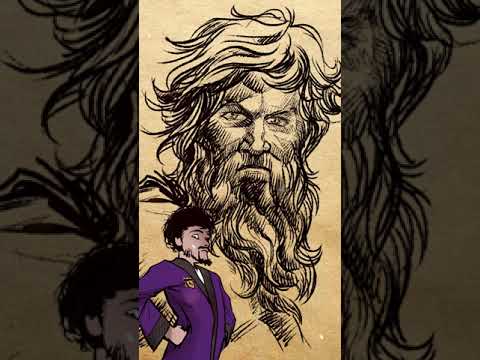
The Influence of Theseus on Renaissance Art and Literature
I. Introduction
In Greek mythology, Theseus is often regarded as one of the greatest heroes, known for his numerous adventures and his role as a unifier of Athens. His tales of bravery, intelligence, and moral integrity have captivated audiences for centuries. During the Renaissance, a period marked by a revival of classical learning and values, Theseus emerged as a significant figure in both art and literature.
Theseus’s adventures and characteristics resonated with the Renaissance ideals of heroism and humanism, making him a source of inspiration for many artists and writers of the time. The purpose of this article is to explore the impact of Theseus on Renaissance art and literature, examining how his mythos influenced cultural narratives and artistic expressions during this transformative period.
II. The Myth of Theseus: A Brief Overview
Theseus was the son of Aegeus, the king of Athens, and Aethra. His most notable adventures include:
- Defeating the Minotaur in the labyrinth of Crete
- Slaying bandits and monsters on his journey to Athens
- Participating in the Argonauts’ quest for the Golden Fleece
- Establishing democratic principles in Athens
Theseus symbolizes various themes in mythology, including heroism, sacrifice, and the struggle between civilization and chaos. He embodies the virtues of strength, intelligence, and moral integrity, which were particularly relevant to Renaissance thinkers who sought to redefine the concept of the hero.
The themes of heroism and humanism are central to Theseus’s narrative, reflecting the Renaissance’s fascination with individual potential and the pursuit of knowledge.
III. Theseus in Renaissance Literature
Throughout the Renaissance, Theseus was featured in several major literary works, serving as a model for heroic virtues and humanistic ideals:
A. Exploration of Theseus in Major Literary Works
Two prominent examples include:
- Shakespeare’s “A Midsummer Night’s Dream”: In this play, Theseus is portrayed as a just and noble duke, embodying the ideals of order and reason. His role as a ruler reflects the Renaissance’s emphasis on leadership and governance.
- Milton’s “Paradise Lost”: Theseus is referenced in the context of heroism and moral integrity, showcasing the struggle between good and evil. Milton’s work highlights the importance of individual choice, a key tenet of Renaissance humanism.
The thematic connections between Theseus and Renaissance ideals emphasize the hero’s journey, moral dilemmas, and the pursuit of enlightenment. Theseus’s influence extended to other writers and poets of the era, inspiring a wave of literary exploration centered around classical themes.
IV. Artistic Representations of Theseus
The Renaissance also witnessed a flourishing of visual arts, with Theseus serving as a prominent subject in various artworks:
A. Analysis of Prominent Renaissance Artworks Depicting Theseus
Some notable works include:
- Michelangelo’s Sculptures: Michelangelo captured the essence of Theseus in his sculptures, reflecting the idealized human form and the hero’s strength.
- Paintings by Botticelli and Raphael: Both artists depicted scenes from Theseus’s adventures, showcasing the hero’s bravery and the beauty of classical mythology.
The role of Theseus in visual arts illustrates the profound symbolism associated with his character. Renaissance depictions often emphasized physical beauty and moral virtue, contrasting with earlier classical representations that focused on divine intervention and fate.
V. The Rebirth of Classical Ideals
The Renaissance was characterized by a fascination with classical mythology, leading to a revival of ancient ideals. Theseus embodies Renaissance humanism through:
- His representation as a rational and moral leader
- The exploration of individual potential and agency in his stories
- His status as a cultural hero who bridges the gap between the ancient and modern worlds
Theseus’s influence contributed to the cultural revival of classical themes, inspiring artists and writers to engage with the moral and philosophical questions posed by his myths.
VI. Theseus and the Concept of the Hero
The evolution of the hero archetype during the Renaissance saw a shift towards individualism and moral complexity. Theseus served as a model for Renaissance heroes by:
- Exemplifying courage in the face of adversity
- Demonstrating ethical decision-making and leadership qualities
- Inspiring the ideals of personal responsibility and civic duty
This redefinition of heroism had a lasting impact on contemporary notions of heroism and individualism, influencing how heroes were portrayed in literature and art.
VII. The Legacy of Theseus in Modern Interpretations
The legacy of Theseus continues to resonate in modern literature and art, reflecting his enduring relevance:
- Modern adaptations of the Theseus myth explore themes of personal struggle and societal challenges.
- Reinterpretations of Theseus’s adventures often emphasize psychological depth and moral ambiguity.
- The influence of Renaissance views on Theseus persists in contemporary storytelling and artistic expressions.
Theseus remains a powerful symbol of the hero’s journey, embodying the complexities of human experience and the quest for meaning.
VIII. Conclusion
In summary, Theseus’s impact on Renaissance art and literature is profound and multifaceted. His character embodies the ideals of heroism and humanism that defined the era, inspiring countless artists and writers to explore themes of courage, morality, and individual potential. The significance of Theseus in shaping cultural narratives underscores the enduring intersection of mythology and the Renaissance movement, reminding us of the timeless nature of these ancient stories.
As we reflect on the legacy of Theseus, we are reminded of the power of mythology to inform and enrich our understanding of the human condition, bridging the past with the present in a continuous exploration of what it means to be a hero.