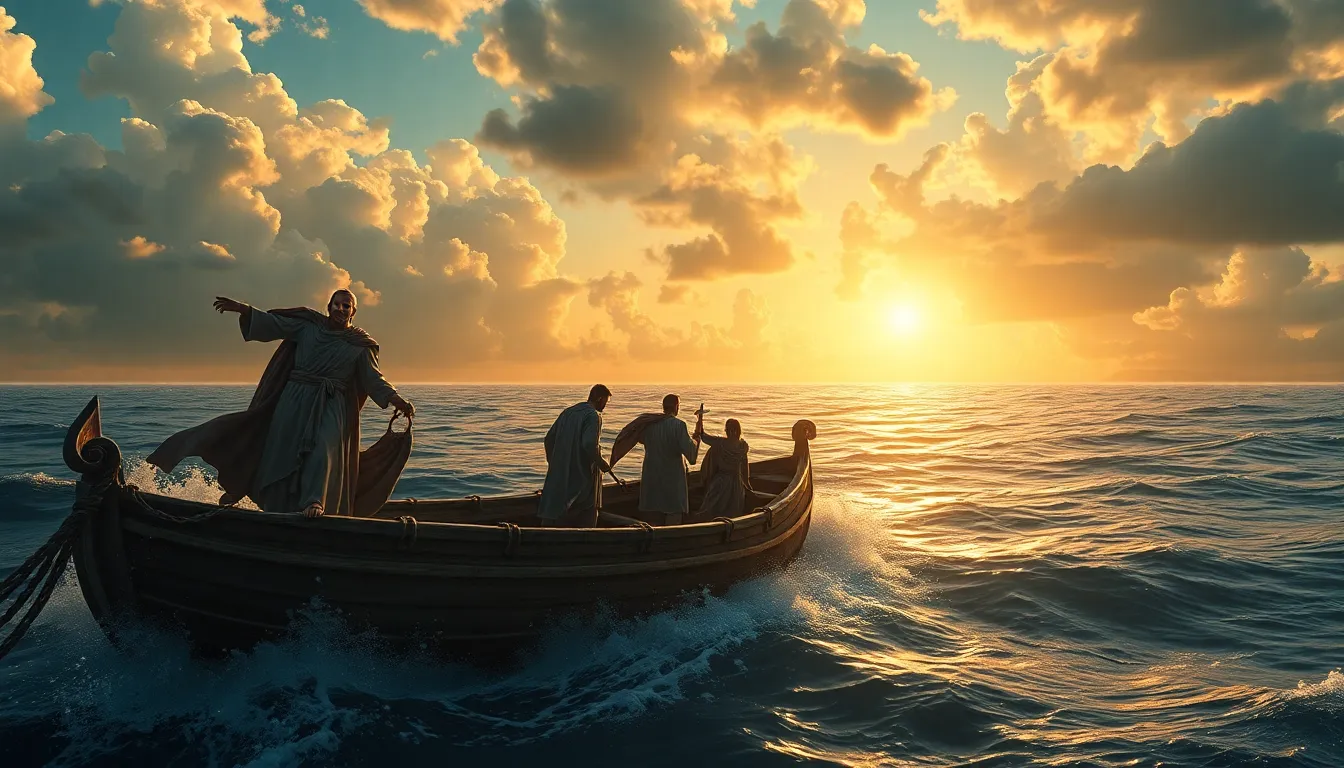
The Journey of Aeneas: A Hero’s Epic Voyage
I. Introduction to Aeneas and His Significance
Aeneas, the Trojan hero celebrated in both Greek and Roman mythology, stands as a pivotal figure whose journey not only shaped the narrative of the Trojans but also laid the foundations for the Roman Empire. As a son of the prince Anchises and the goddess Venus, Aeneas embodies the duality of mortal ambition and divine guidance. His significance extends beyond the confines of myth; he serves as a cultural touchstone in Roman literature, particularly through Virgil’s magnum opus, the “Aeneid.”
The “Aeneid” chronicles Aeneas’s arduous journey from the smoldering ruins of Troy to the shores of Italy, where he is destined to establish a new homeland for his people. This epic narrative not only explores themes of duty, sacrifice, and fate but also serves as a foundational myth for Rome itself, linking its origins to the heroic past of the Trojans.
II. The Fall of Troy: Catalyst for Aeneas’s Journey
The story of Aeneas begins with the cataclysmic events surrounding the Trojan War, a conflict sparked by the abduction of Helen by Paris, a Trojan prince. The war, which raged for ten years, involved numerous heroes and deities, culminating in the fall of Troy. Aeneas, a brave warrior, played a crucial role in the defense of the city.
As the Greeks breached the walls of Troy using the infamous wooden horse, Aeneas witnessed the destruction of his homeland. However, it was not merely survival that drove him; he was given a divine mission by the gods. The prophecy foretold by his mother Venus urged him to seek out a new land where the remnants of Troy could thrive once more.
III. The Divine Guidance: The Role of the Gods
The journey of Aeneas is deeply intertwined with the will of the gods, showcasing the interplay between divine intervention and human agency. Venus, Aeneas’s mother, plays a vital role, often guiding and protecting him throughout his travels. She ensures that he receives the support of allies and the strength to endure his trials.
Conversely, Juno, the queen of the gods, harbors a deep-seated animosity towards Aeneas and the Trojans, stemming from the judgment of Paris and her own grievances. She creates numerous obstacles that challenge Aeneas’s resolve, including storms and hostile encounters. This tension highlights the theme of fate versus free will, as Aeneas strives to fulfill his destiny despite the interference of the gods.
IV. Key Encounters and Challenges
Aeneas’s journey is marked by significant encounters that shape his character and resolve:
- Dido in Carthage: One of the most poignant episodes of the “Aeneid” occurs when Aeneas meets Dido, the queen of Carthage. Their passionate romance, however, is doomed by Aeneas’s sense of duty to continue his journey. His eventual departure leads to Dido’s tragic demise, illustrating the personal sacrifices Aeneas makes for his greater mission.
- The Underworld: In a profound moment of introspection, Aeneas descends into the Underworld, guided by the Sibyl. There, he encounters the spirit of his father, Anchises, who reveals the future of Rome and the greatness that awaits the Trojans. This meeting reinforces Aeneas’s purpose and the weight of his responsibilities.
- Monsters and Storms: Throughout his travels, Aeneas faces numerous challenges, including monstrous adversaries like Scylla and Charybdis, as well as treacherous seas stirred by Juno’s wrath. Each obstacle tests his courage and determination, further solidifying his heroic status.
V. The Theme of Duty and Sacrifice
Aeneas is often lauded as the epitome of piety and duty, embodying the Roman virtue of ‘pietas.’ His journey is not just a quest for personal glory but a commitment to the survival and future of his people. This selflessness is evident in several key moments:
- Personal Sacrifices: Aeneas sacrifices his own desires, including his love for Dido, in order to fulfill his destiny. His actions demonstrate a profound sense of responsibility that transcends personal happiness.
- Contrast with Others: Unlike other characters who seek personal gain, Aeneas consistently prioritizes the well-being of his followers. This contrast highlights the theme of duty over desire, reinforcing his status as a noble hero.
VI. The Arrival in Italy: Aeneas’s New Challenges
Upon arriving in Italy, Aeneas faces fresh challenges that test his leadership and resolve. The significance of his arrival in Latium is profound, as it marks the beginning of a new chapter for the Trojans:
- Conflicts with Local Tribes: Aeneas’s presence provokes conflict with local tribes, particularly the Rutulians led by Turnus. The ensuing battles reflect the complexities of establishing a new home and the resistance that often accompanies such endeavors.
- Founding a New Destiny: Aeneas’s journey culminates in the establishment of a new lineage, which is destined to lead to the founding of Rome. His struggles symbolize the trials that must be overcome to forge a new identity and legacy.
VII. Aeneas as a Symbol of Roman Values
Aeneas stands as a cultural hero for the Romans, embodying the virtues that were esteemed in Roman society:
- Representation of Roman Virtues: His character exemplifies traits such as duty, honor, and resilience. These qualities resonated with the Roman ideals of leadership and civic responsibility.
- Connection to Rome’s Founding: The narrative of Aeneas serves as a mythological foundation for Rome, linking the city’s origins to the heroic past of Troy. This connection was crucial for Romans seeking to understand their place in the world.
- Cultural Hero: Aeneas’s legacy as a cultural icon continues to influence literature and art throughout history, reflecting the values and aspirations of the Roman people.
VIII. Conclusion: The Legacy of Aeneas’s Voyage
The journey of Aeneas is more than a tale of adventure; it is a profound exploration of heroism, duty, and sacrifice. His story has left an indelible mark on literature and history, influencing countless works and discussions of what it means to be a hero. Aeneas’s struggles and triumphs resonate with contemporary audiences, prompting reflections on the nature of duty and destiny in our own lives.
As we consider the legacy of Aeneas, we are reminded of the timeless themes of perseverance and the pursuit of a greater purpose. His voyage serves as a powerful narrative that continues to inspire us to navigate the complexities of our own journeys, balancing personal desires with the responsibilities we hold towards others and our communities.