The Labyrinth of Crete: Theseus’s Ingenious Escape
I. Introduction
The myth of Theseus and the Minotaur is one of the most captivating tales from Greek mythology, intertwining themes of heroism, labyrinthine challenges, and the struggle between man and monster. At its heart lies the Labyrinth of Crete, a complex maze designed to imprison the fearsome Minotaur, a creature that was half-man and half-bull. This article delves into the significance of the Labyrinth, the characters involved, and the enduring legacy of this ancient story.
II. Historical Context of the Labyrinth
The origins of the Labyrinth myth can be traced back to the Minoan civilization, which flourished on the island of Crete during the Aegean Bronze Age. The term ‘Labyrinth’ itself is believed to be derived from the Minoan word for ‘double axe’, which is a significant symbol in Minoan culture.
The connection to the Minoan civilization, particularly the palace of Knossos, is crucial in understanding the myth. Archaeological findings at Knossos, including complex architectural designs and frescoes depicting bulls, have led many to speculate that the Labyrinth may have been inspired by the actual layout of the palace.
- Complex architecture of Knossos with its numerous rooms and corridors.
- Frescoes featuring bulls and bull-leaping, highlighting the significance of the bull to Minoan culture.
- Evidence of rituals related to bull worship, suggesting a link to the Minotaur myth.
III. The Characters Involved
Several key characters drive the story of Theseus and the Labyrinth:
- Theseus: The hero of the narrative, a prince of Athens known for his courage and intelligence.
- The Minotaur: A monstrous creature, the offspring of Queen Pasiphaë and a divine bull, symbolizing chaos and primal fear.
- Ariadne: The daughter of King Minos, who plays a crucial role in Theseus’s escape by providing him with the means to navigate the Labyrinth.
IV. The Design of the Labyrinth
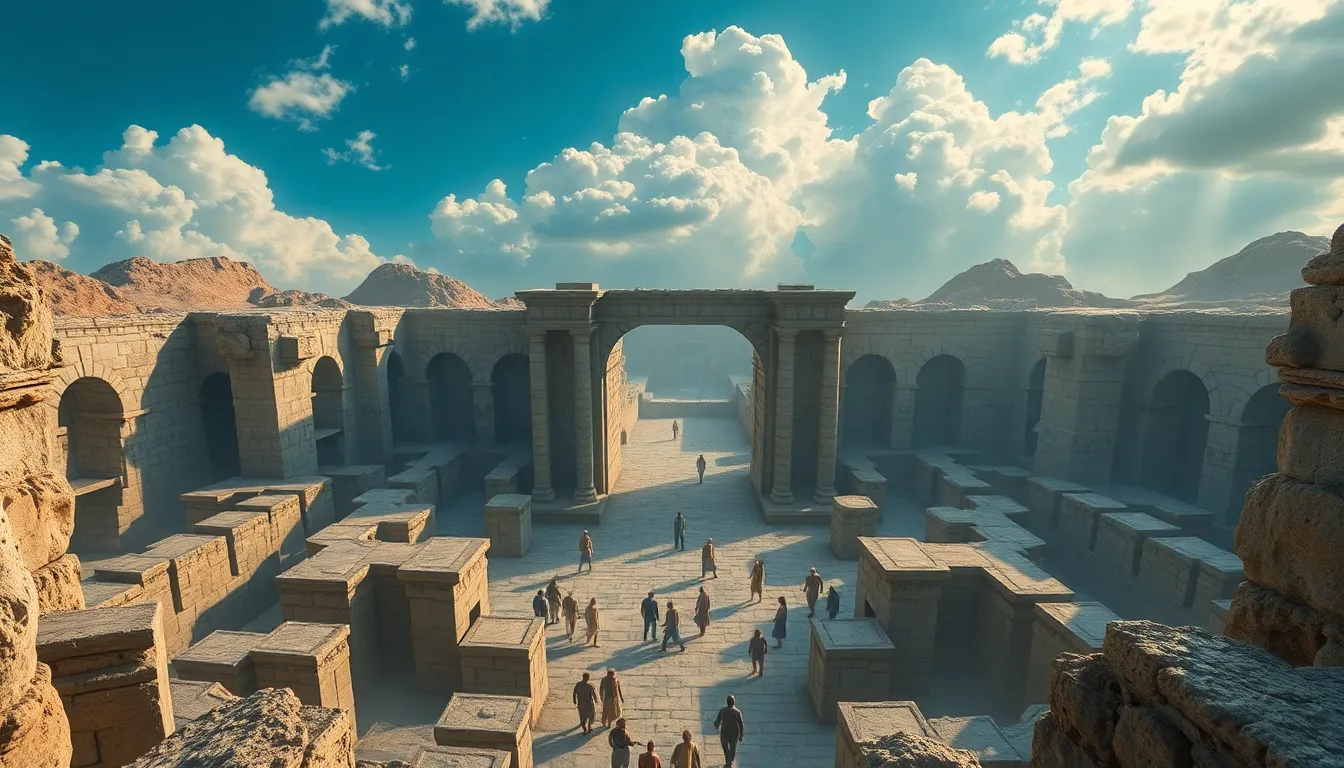
The Labyrinth itself is often described as an intricate maze, designed to confuse and entrap those who entered it. According to myth, it was created by the ingenious craftsman Daedalus, who was tasked by King Minos to construct a structure that could contain the Minotaur.
Symbolically, the Labyrinth represents the journey of self-discovery and the struggle against inner demons. It is a physical manifestation of the trials one must face in life, filled with twists and turns, reflecting the complexities of the human experience.
Artistic representations of the Labyrinth have varied throughout history, from ancient pottery to modern interpretations in literature and film. These portrayals often emphasize the maze’s bewildering nature and the heroic struggle of Theseus against the Minotaur.
V. Theseus’s Journey to Crete
Motivated by a desire to rid Athens of the Minotaur and prove his heroism, Theseus set sail for Crete. The journey was fraught with challenges, but his determination was unwavering. Upon arriving at the palace of King Minos, he was greeted with a mix of awe and apprehension, as the locals recognized him as a potential savior.
Theseus’s initial encounters with the royal family were significant. He quickly gained the favor of Ariadne, who was captivated by his bravery. This connection would prove vital as the danger of the Labyrinth loomed over him.
VI. The Ingenious Escape Plan
Ariadne, recognizing the peril that Theseus faced, devised a clever plan. She gifted him a ball of thread, which he would use to navigate the Labyrinth. The significance of this thread cannot be overstated; it represented hope and the possibility of escape amidst confusion and despair.
Theseus’s strategy involved unwinding the thread as he ventured deeper into the maze, ensuring he could retrace his steps after confronting the Minotaur. This clever use of a simple tool demonstrates the importance of intellect and resourcefulness in overcoming seemingly insurmountable challenges.
VII. The Climax: Confrontation with the Minotaur
The climax of the myth occurs within the dark and twisting corridors of the Labyrinth as Theseus confronts the Minotaur. The battle was not only a test of physical strength but also a psychological trial, as Theseus faced the embodiment of fear and chaos.
As the two combatants clashed, Theseus drew upon his courage and the wisdom imparted by Ariadne. The moment of triumph came when Theseus, using his agility and strategy, managed to slay the Minotaur, liberating himself and the other Athenian youths who had been sent as sacrifices.
With the beast defeated, Theseus followed the thread back through the Labyrinth, emerging victorious and ready to reclaim his place as a hero.
VIII. Legacy and Interpretations
The myth of Theseus and the Labyrinth has left an indelible mark on literature and art throughout the ages. Its themes of courage, ingenuity, and the struggle against darkness resonate deeply in the human experience. Many authors and artists have drawn upon this myth to explore the complexities of life, identity, and the journey of self-discovery.
Symbolically, the Labyrinth serves as a powerful metaphor for the challenges we all face. It represents the winding paths of life, filled with uncertainty and obstacles that require both courage and cleverness to navigate. The lessons of the myth encourage individuals to confront their fears and to seek out the light, even in the most confusing of circumstances.
In conclusion, the timeless relevance of Theseus’s story lies in its ability to inspire and teach. The Labyrinth of Crete is not just a physical structure but a representation of the trials we all must face, illustrating that with bravery and ingenuity, we can overcome our fears and emerge victorious.