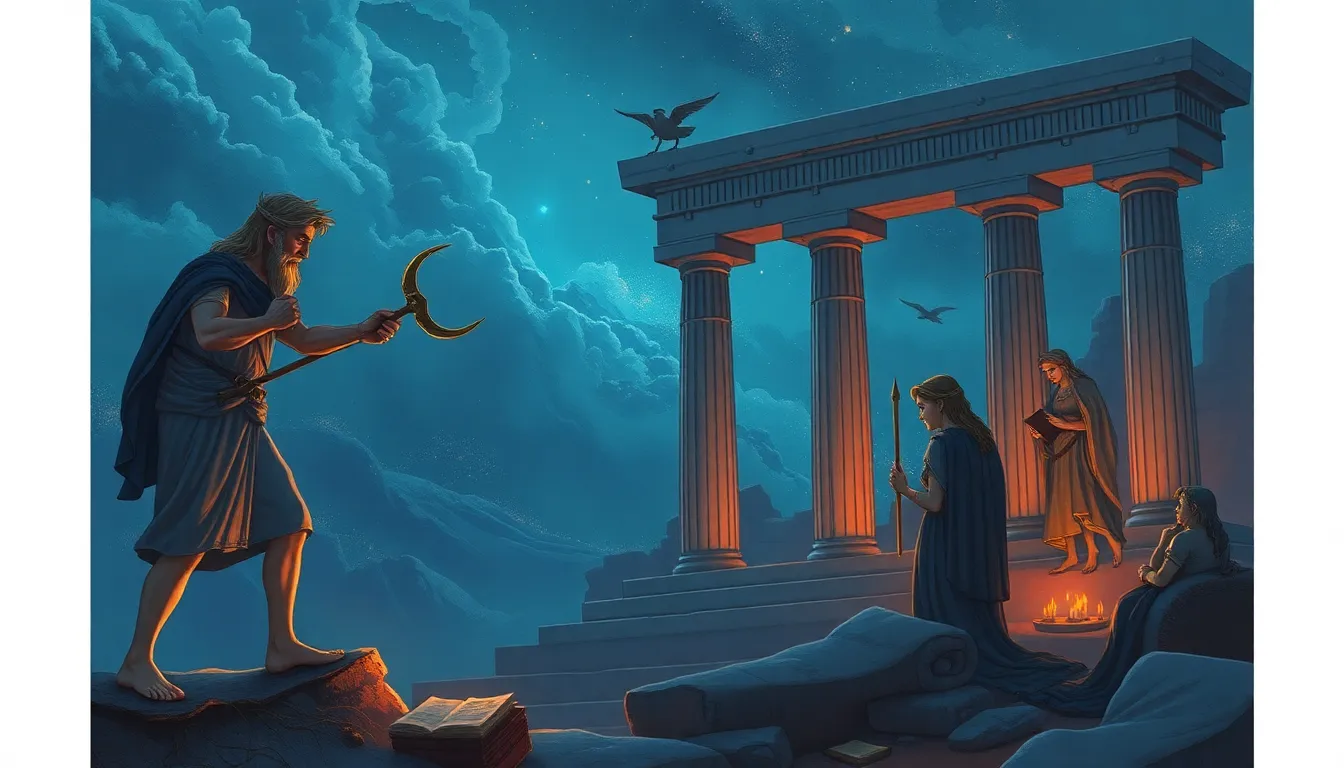
The Legacy of Greek Myths in Modern Children’s Literature
I. Introduction
Greek mythology, a rich tapestry of stories and traditions from ancient Greece, encompasses a vast array of tales involving gods, heroes, and mythical creatures. These narratives have not only shaped the cultural landscape of their time but also continue to influence modern storytelling. The historical significance of Greek myths lies in their ability to convey moral lessons, cultural values, and human experiences that resonate across generations.
In contemporary literature, especially in children’s books, the influence of Greek mythology is profound. These ancient stories often serve as a foundation for modern narratives, providing themes and archetypes that are still relevant today. The purpose of this article is to explore how Greek myths shape children’s literature in the present day, highlighting their timeless appeal and educational value.
II. The Timeless Themes of Greek Myths
Greek myths are rich with universal themes that explore the human condition. Some of the most prominent themes include:
- Heroism: The journey of heroes like Hercules and Odysseus showcases bravery, resilience, and the quest for identity.
- Morality: Myths often present moral dilemmas and the consequences of choices, teaching lessons about right and wrong.
- Adventure: The thrilling escapades of gods and heroes captivate the imagination, igniting a sense of wonder and exploration.
These themes resonate deeply with children, who are often navigating their own journeys of growth and self-discovery. In children’s literature, these timeless themes find a home in various modern stories. Examples include:
- The Lightning Thief by Rick Riordan, which intertwines heroism with adventure as Percy Jackson discovers his identity.
- Circe by Madeline Miller, which retells the story of the witch from the Odyssey, exploring themes of empowerment and morality.
- Arachne’s Thread by Lela Nargi, which introduces young readers to the themes of creativity and hubris through the tale of Arachne.
III. Characters and Archetypes from Greek Myths
Greek mythology is populated with a plethora of characters, each embodying distinct archetypes. Some of the most common archetypes include:
- Heroes: Figures like Theseus and Perseus exemplify bravery and the hero’s journey.
- Monsters: Creatures like the Minotaur and Medusa represent challenges and fears that must be confronted.
- Gods: Deities such as Athena and Zeus embody various human traits and serve as guides or obstacles for the heroes.
Contemporary children’s stories often adapt these archetypes to create relatable characters. For instance:
- In Percy Jackson & the Olympians, Percy embodies the archetype of the reluctant hero, facing challenges that parallel modern adolescent struggles.
- In The Girl Who Drank the Moon by Kelly Barnhill, the witch, Luna, navigates her powers, reflecting the complexities of modern identity.
These adaptations not only make the characters accessible but also allow for deeper explorations of their traits and stories.
IV. Retellings and Adaptations
Retellings of Greek myths for children are abundant and varied, offering fresh perspectives on ancient tales. Popular adaptations often include:
- Greek Mythology for Kids by Marcia Williams, which presents stories in a comic book format, making them engaging and fun.
- Mythos by Stephen Fry, which provides a contemporary retelling of the myths with humor and modern language.
- Heroes, Gods and Monsters of the Greek Myths by Bernard Evslin, which captures the essence of the myths in an accessible way for young readers.
These adaptations utilize various narrative techniques, including:
- First-person narratives: Allowing readers to immerse themselves in the experiences of characters.
- Illustrations: Enhancing the storytelling through visual representations that captivate young audiences.
- Modern language: Making the tales relatable and easier to understand for contemporary readers.
The impact of visual storytelling cannot be overstated, as illustrations breathe life into these ancient myths, fostering a deeper connection with the characters and themes.
V. Educational Value of Greek Myths in Children’s Literature
Greek myths serve as an invaluable resource for teaching moral lessons and cultural heritage to children. They provide a context for discussing important values such as:
- Integrity and honesty, as seen in the stories of heroes who face difficult choices.
- The importance of community and relationships, portrayed through family dynamics among gods and mortals.
- The consequences of hubris, illustrated through characters who overreach and face repercussions.
Moreover, Greek myths enhance literacy and critical thinking skills. They encourage children to:
- Analyze character motivations and moral dilemmas.
- Engage in discussions about the relevance of ancient themes in their own lives.
- Develop a love for storytelling through compelling narratives.
Educational programs often incorporate Greek myths, using them as tools to foster creativity and critical engagement with literature. For example, many schools utilize storytelling workshops that focus on retelling myths, allowing children to explore their interpretations and creativity.
VI. Cultural Appropriation vs. Cultural Appreciation
As Greek myths have been adapted for modern audiences, a critical discussion has emerged regarding cultural appropriation versus cultural appreciation. While retelling these stories can foster understanding and connection, it is essential to navigate this landscape thoughtfully.
The fine line between appropriation and appreciation in retellings is characterized by:
- Respect for the source material: Acknowledging the origins and significance of the myths.
- Authenticity: Maintaining the integrity of the cultural narratives while making them accessible.
- Inclusivity: Encouraging diverse perspectives in retellings, allowing voices from various backgrounds to contribute to the narrative.
Authors and educators emphasize the importance of ethical storytelling, advocating for sensitivity and respect when engaging with cultural narratives. This dialogue enriches the storytelling landscape and encourages a deeper understanding of the myths.
VII. Contemporary Authors Influenced by Greek Myths
Several modern authors draw inspiration from Greek mythology, creating works that resonate with children and young adults. Some notable authors include:
- Rick Riordan: Known for the Percy Jackson series, Riordan blends myth with contemporary themes, making ancient stories relevant for young readers.
- Madeline Miller: Her novel Circe offers a fresh perspective on a classic myth, exploring themes of femininity and empowerment.
- Kate Forrester: Through illustrated retellings, Forrester brings myths to life in visually engaging ways for younger audiences.
The contributions of these authors significantly shape children’s literature today. Many share insights into their creative processes, often citing their childhood fascinations with Greek mythology as a driving force behind their work.
VIII. Conclusion
The enduring legacy of Greek myths in children’s literature is a testament to their timelessness and universal appeal. These ancient narratives continue to resonate, offering valuable lessons and captivating stories that inspire young minds. As we reflect on the importance of preserving these narratives for future generations, it becomes clear that engaging with Greek mythology can foster a deeper understanding of cultural heritage and human experiences.
In a world where stories shape our understanding of ourselves and each other, it is crucial for readers and educators alike to explore and celebrate these rich mythological tales. By doing so, we ensure that the legacy of Greek myths not only endures but thrives in contemporary contexts, igniting the imaginations of young readers for years to come.