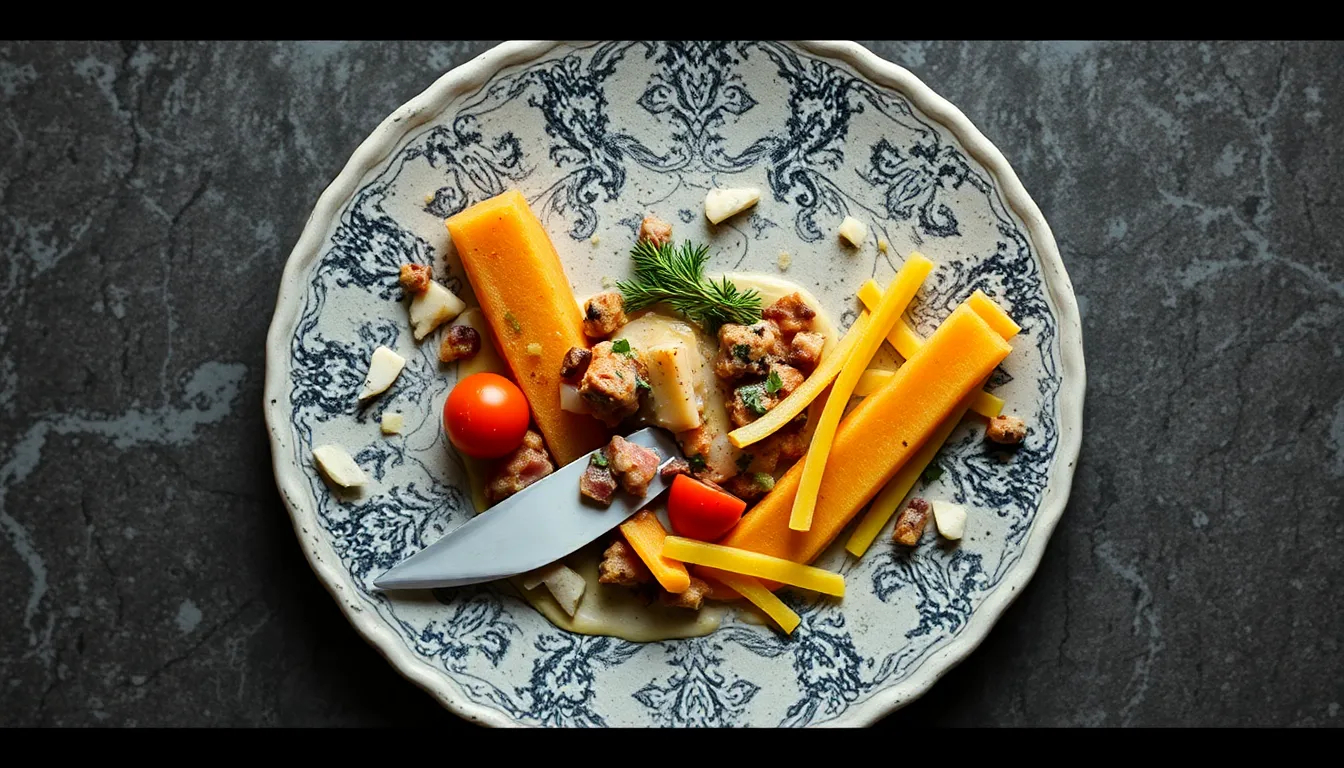
The Legacy of Greek Myths in Today’s Cooking Culture
I. Introduction
Greek mythology has long been a wellspring of inspiration across various facets of culture, including art, literature, and even culinary practices. The tales of gods, heroes, and mythical creatures have not only shaped the worldview of ancient Greeks but also continue to influence modern societies in profound ways. This article aims to explore the impact of Greek myths on contemporary cooking, examining how these ancient stories manifest in today’s culinary landscape.
II. The Role of Food in Greek Mythology
Food holds a significant place in Greek mythology, serving as a symbol of wealth, hospitality, and divine favor. Many myths revolve around feasts and banquets, showcasing the importance of food in both mortal and divine realms.
- Ambrosia and Nectar: The food and drink of the gods, ambrosia and nectar, were believed to grant immortality and eternal youth to those who consumed them.
- The Myth of Demeter and Persephone: This myth highlights the connection between food and the changing seasons, emphasizing agriculture’s vital role in Greek culture.
- Feasting in Greek Literature: Epic poems like Homer’s “Iliad” and “Odyssey” often depict lavish feasts that symbolize community and the sharing of resources.
III. Culinary Symbols and Their Origins
Throughout Greek mythology, certain ingredients have become iconic symbols, representing various themes and values.
- Olives: A symbol of peace and prosperity, olives were sacred to Athena, the goddess of wisdom and warfare.
- Grapes: Associated with Dionysus, the god of wine, grapes embody joy, celebration, and the transformative power of fermentation.
- Honey: Often linked to the gods and used in offerings, honey symbolizes sweetness and the divine’s favor.
Today, these ingredients are staples in Greek cuisine and have found their way into modern cooking practices, celebrating the same values they represented in ancient times.

IV. Greek Gods and Their Influence on Modern Recipes
The representation of Greek gods and goddesses in culinary arts has led to the creation of dishes that pay homage to these divine figures.
- Zeus’ Feast: A hearty dish featuring roasted meats and rich sauces, reflecting the king of gods’ love for abundant feasting.
- Athena’s Salad: A fresh and vibrant salad featuring olives and feta, symbolizing wisdom and prosperity.
- Dionysian Wine Pairings: Modern cuisine often includes wine pairings inspired by the god of wine, enhancing the dining experience.
These dishes not only celebrate Greek mythology but also connect diners to the rich narrative traditions of the past.
V. Mythological Themes in Cooking Traditions
Greek mythology emphasizes themes such as hospitality, abundance, and community, which have enduring relevance in modern dining experiences.
- Hospitality (Xenia): The ancient Greek concept of hospitality is reflected in the tradition of welcoming guests with food and drink, a practice that continues in modern Greek culture.
- Abundance: Many dishes are prepared in large quantities, symbolizing the generosity of the host and the sharing spirit of the community.
- Community Gatherings: Feasting together is a core aspect of Greek culture, where food brings people together to strengthen bonds.
These themes are evident in contemporary dining experiences, from family gatherings to festive celebrations, where food plays a central role in uniting people.
VI. The Revival of Ancient Ingredients and Techniques
In recent years, there has been a resurgence of interest in traditional Greek cooking methods and ancient ingredients, driven by a desire to reconnect with the past.
- Ancient Grains: Ingredients like barley and spelt, once staples of the ancient Greek diet, are being reintroduced into modern recipes.
- Herbs and Spices: Traditional herbs such as oregano, thyme, and dill are celebrated for their flavor and health benefits, echoing their use in ancient culinary practices.
- Cooking Techniques: Methods like slow roasting and baking in clay pots are being revived, emphasizing the connection to ancient culinary traditions.
This revival not only honors the past but also enriches modern gastronomy with flavors and techniques that have stood the test of time.
VII. The Global Influence of Greek Myths on Culinary Practices
Greek myths have transcended borders, influencing culinary practices worldwide and inspiring fusion dishes that celebrate Greek heritage.
- International Cuisines: Elements of Greek mythology can be found in various cuisines, from Mediterranean dishes to Middle Eastern flavors that incorporate Greek ingredients.
- Greek-Inspired Restaurants: Establishments around the world showcase Greek mythology through their menu items, often naming dishes after gods and mythological events.
- Culinary Trends: The adoption of Greek dietary principles, such as the Mediterranean diet, highlights the global appreciation for Greek culinary traditions.
This cross-cultural exchange enriches global cuisine, making Greek mythology an integral part of the culinary narrative worldwide.
VIII. Conclusion
The enduring legacy of Greek myths in cooking culture is a testament to the profound influence of these ancient stories on contemporary culinary practices. The themes of hospitality, abundance, and the celebration of nature’s bounty continue to resonate in modern gastronomy. As we explore and preserve these traditions, we honor not only the rich tapestry of Greek mythology but also the timeless connection between food and culture. By incorporating ancient ingredients and techniques into our cooking, we can keep the spirit of Greek myths alive in our kitchens today.