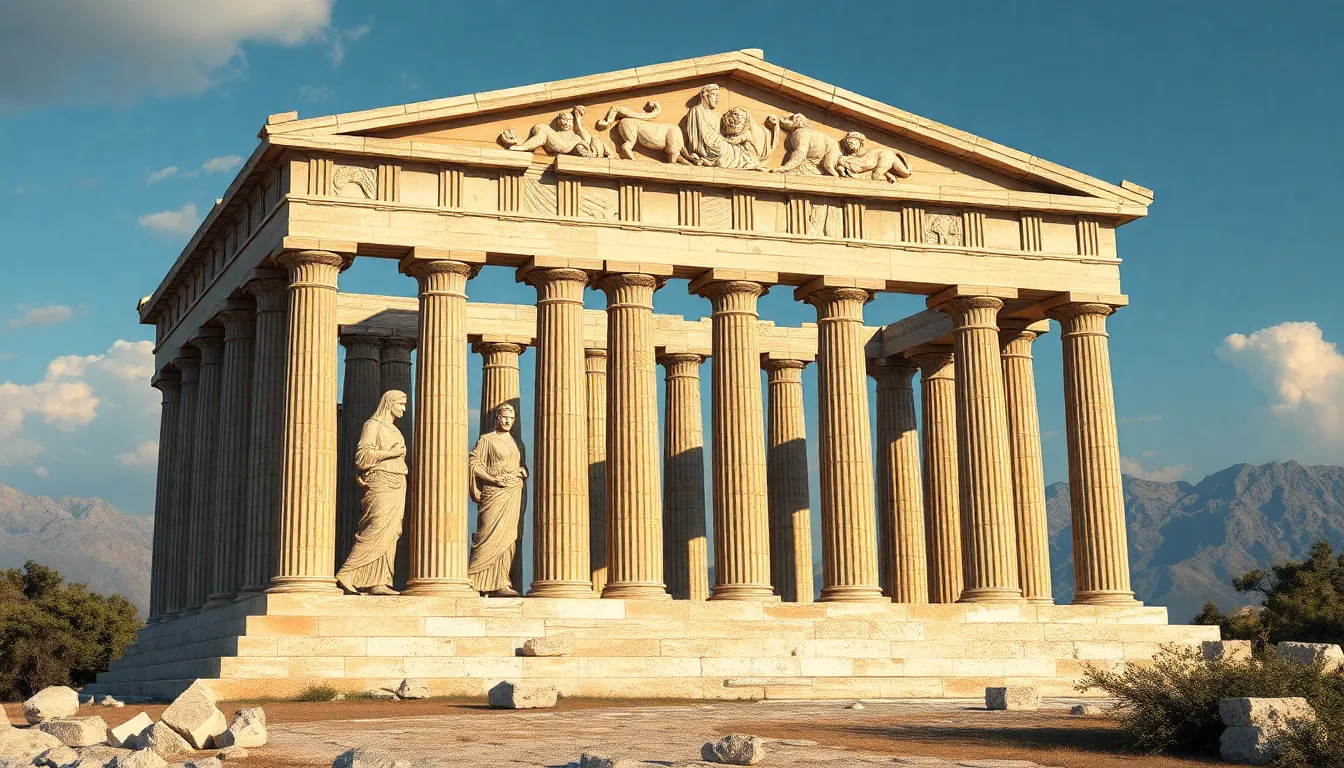
The Legacy of Greek Myths in Today’s Global Culture
I. Introduction
Greek mythology comprises a rich tapestry of stories and characters that have captivated human imagination for millennia. From the pantheon of gods and goddesses to the valorous feats of heroes and the cautionary tales of mortals, these myths serve as a window into the ancient Greek worldview. They explore themes of love, betrayal, heroism, and the capricious nature of fate, resonating with universal human experiences.
The purpose of this article is to delve into the enduring influence of Greek myths on contemporary culture, examining how they continue to shape literature, art, psychology, and spirituality in today’s global society.
II. Historical Context of Greek Myths
A. Origins and evolution of Greek mythology
The origins of Greek mythology can be traced back to ancient oral traditions, which were later recorded in texts by poets and scholars. The earliest known written works, such as Homer’s “Iliad” and “Odyssey,” date back to the 8th century BCE. These texts established many of the myths and characters that would become central to Greek culture.
Over centuries, Greek mythology evolved, incorporating local traditions and beliefs, which led to a diverse pantheon of gods and heroes. It served not only as religion but also as a means of explaining natural phenomena, human behavior, and moral lessons.
B. Major gods, heroes, and stories in ancient Greece
- Zeus: The king of the gods, associated with thunder and justice.
- Hera: The queen of the gods, protector of marriage and women.
- Poseidon: God of the sea, earthquakes, and horses.
- Athena: Goddess of wisdom, warfare, and crafts.
- Heracles: A demi-god renowned for his strength and heroic deeds.
- Persephone: The goddess of spring and queen of the Underworld.
These figures are central to many myths that convey moral lessons and explain the workings of the world, such as the tales of the Trojan War, the labors of Heracles, and the adventures of Odysseus.
III. Greek Myths in Literature and Art
A. Influence on classical literature (e.g., Homer, Hesiod)
Greek mythology has had a profound impact on classical literature. Writers like Homer and Hesiod not only shaped the narrative structure of epic poetry but also established archetypes that have persisted through the ages. The themes of heroism, struggle, and the quest for knowledge found in their works continue to influence modern storytelling.
Homer’s epics, particularly the “Iliad” and the “Odyssey,” are rich with mythological references and have been analyzed for their exploration of human nature and morality. Similarly, Hesiod’s “Theogony” offers insights into the genealogy of the gods and the creation of the world, serving as a fundamental text for understanding Greek cosmology.
B. Representation in visual arts (sculpture, painting, and theater)
The influence of Greek mythology extends to the visual arts as well, where stories of gods and heroes have been immortalized in sculpture, vase painting, and theater. Artists such as Phidias and Praxiteles created lifelike sculptures of deities that captured their divine essence and human characteristics, while vase painters illustrated mythological scenes that communicated moral and cultural values.
In theater, Greek tragedies and comedies often drew upon mythological themes to explore complex human emotions and societal issues. Playwrights like Aeschylus, Sophocles, and Euripides used mythological frameworks to address themes of fate, justice, and the human condition, influencing the development of Western drama.
IV. Greek Myths in Modern Literature and Media
A. Adaptations in contemporary novels and films
In recent decades, there has been a resurgence of interest in Greek mythology, with numerous adaptations in contemporary literature and film. Novels such as Rick Riordan’s “Percy Jackson” series have reimagined mythological characters for a younger audience, blending ancient tales with modern settings and themes.
Similarly, films like “Clash of the Titans,” “Troy,” and “Wonder Woman” draw upon Greek myths to create engaging narratives that resonate with modern viewers. These adaptations often reinterpret the original stories, allowing new generations to connect with ancient themes through a contemporary lens.
B. The resurgence of mythological themes in popular culture
Greek myths have found their way into various facets of popular culture, including video games, music, and television. Series like “Game of Thrones” and “American Gods” incorporate mythological elements, reflecting the enduring appeal of these ancient stories. Furthermore, the use of mythological references in advertising and branding underscores the power of these narratives in shaping modern identity.
V. Psychological and Philosophical Interpretations
A. The role of Greek myths in psychology (Carl Jung and archetypes)
Greek mythology has also played a significant role in psychology, particularly through the work of Carl Jung. Jung introduced the concept of archetypes—universal symbols and themes that emerge across cultures and time. Many of these archetypes can be traced back to Greek myths, such as the hero, the mentor, and the trickster.
Jung believed that engaging with these archetypes through mythology could facilitate personal growth and self-discovery. By exploring the stories of heroes and gods, individuals can gain insights into their own lives and the collective human experience.
B. Philosophical themes derived from mythology and their relevance today
Greek myths are rich with philosophical themes that continue to be relevant today. Concepts of fate, free will, and the nature of good and evil are explored through the narratives of gods and mortals. For instance, the tragic stories of figures like Oedipus and Prometheus raise questions about human agency and the consequences of defying the divine order.
These philosophical inquiries encourage individuals to reflect on their own lives and the moral choices they face, making Greek mythology a valuable resource for modern ethical discussions.
VI. Greek Myths and Global Religion
A. Parallels between Greek mythology and other world religions
Greek mythology shares several parallels with other world religions, particularly in its exploration of creation, morality, and the afterlife. Many cultures have their own pantheons of gods and creation myths, revealing common human concerns and experiences. For example, the flood myths found in Greek stories resonate with similar narratives in Judeo-Christian and Mesopotamian traditions.
These parallels highlight the universal nature of myth and its ability to address fundamental questions about existence and the divine.
B. The influence of Greek myths on modern spiritual movements
In contemporary spiritual movements, Greek myths have been reinterpreted to explore themes of personal empowerment and self-discovery. Neo-paganism, for example, embraces aspects of ancient Greek spirituality, celebrating the gods and goddesses as symbols of natural forces and human attributes.
This revival of interest in Greek mythology within spiritual contexts demonstrates the continued relevance of these ancient stories in shaping modern belief systems.
VII. Education and Greek Myths
A. The incorporation of Greek mythology in educational curricula
Greek mythology is often included in educational curricula around the world, serving as an engaging way to teach literature, history, and cultural studies. By studying these myths, students gain insights into ancient Greek society, values, and artistic expression.
Additionally, the narrative structure of myths aids in developing critical thinking and analytical skills, as students explore themes, character motivations, and moral lessons.
B. Benefits of studying Greek myths for cultural literacy and critical thinking
Engaging with Greek mythology fosters cultural literacy, allowing individuals to better understand references in literature, art, and popular culture. Moreover, the exploration of complex themes encourages critical thinking, enabling students and readers to draw connections between ancient stories and contemporary issues.
Through the lens of Greek mythology, learners can gain a deeper appreciation for storytelling’s role in shaping human experience across time and cultures.
VIII. Conclusion
The legacy of Greek myths is profound and far-reaching, shaping literature, art, psychology, and spirituality throughout history and into the modern world. These ancient stories continue to resonate with audiences, offering timeless insights into the human experience.
As we reflect on the importance of preserving and engaging with Greek myths, it becomes clear that these narratives are not merely relics of the past but vibrant stories that enhance our