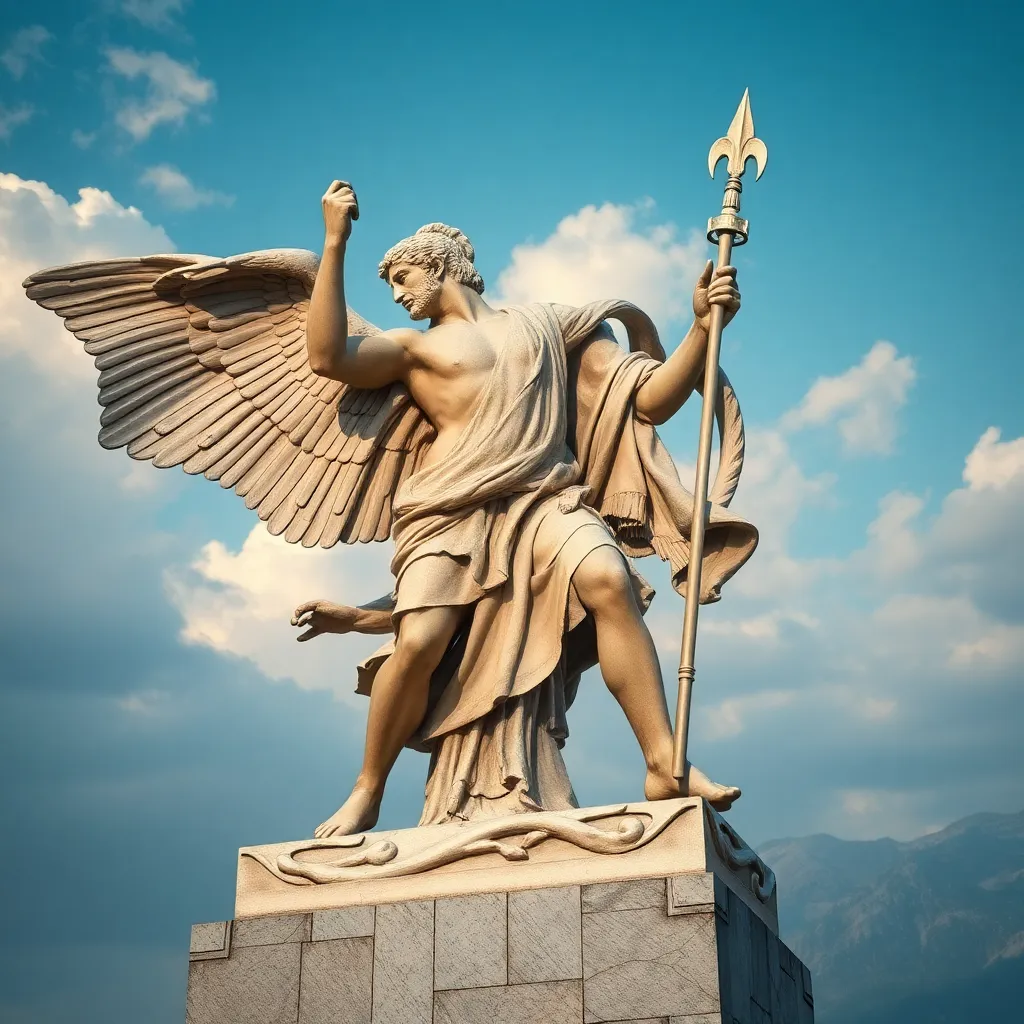
The Legacy of Perseus: How His Myth Influences Modern Culture
I. Introduction
Perseus, one of the most celebrated heroes in Greek mythology, is known for his daring feats and adventures, which have captivated audiences for centuries. His story, intertwined with themes of bravery, fate, and divine intervention, serves as a cornerstone in the rich tapestry of mythological narratives. The importance of mythological figures like Perseus lies not only in their ancient origins but also in their enduring influence on contemporary culture. This article aims to explore how Perseus’s legacy continues to resonate across various forms of modern media and artistic expressions.
II. The Myth of Perseus: A Brief Recap
The myth of Perseus is a tale filled with adventure, danger, and triumph. Here are some key events in his life:
- Perseus is born to Danaë, who was imprisoned by her father, King Acrisius, due to a prophecy that his grandson would kill him.
- Zeus visits Danaë in the form of golden rain, resulting in Perseus’s birth.
- Acrisius sets Danaë and Perseus adrift in a chest to avoid the prophecy, but they are rescued by a fisherman named Dictys.
- Perseus is tasked by King Polydectes to bring back the head of the Gorgon Medusa.
- With the help of the gods, Perseus successfully beheads Medusa and uses her head as a weapon.
- He saves Andromeda from a sea monster and marries her.
- In a twist of fate, he fulfills the prophecy by accidentally killing Acrisius.
Major figures associated with Perseus’s story include Medusa, the monstrous Gorgon whose gaze turns men to stone, Andromeda, the princess he saves, and Zeus, his divine father who aids him on his quest. The overarching themes of heroism, fate, and divine intervention are prevalent throughout the myth, illustrating the complexities of human existence.
III. Perseus in Literature
Perseus has been represented in various classical literary works, notably in:
- Ovid’s “Metamorphoses” – where his adventures are detailed with poetic richness.
- Apollodorus’s “Bibliotheca” – which provides a comprehensive account of his lineage and exploits.
In modern literature, Perseus’s story has inspired numerous adaptations:
- Novels that reimagine his adventures in contemporary settings.
- Poetry that reflects on themes of heroism and identity.
The significance of Perseus’s story in contemporary storytelling lies in its ability to resonate with modern themes such as courage in the face of adversity and the struggle against fate.
IV. Perseus in Film and Television
Perseus’s legacy has been immortalized through various film adaptations, most notably:
- “Clash of the Titans” (1981 and 2010) – which brought his story to a broader audience with spectacular visual effects and dramatic narratives.
- “Wrath of the Titans” (2012) – a sequel that continues his mythological journey.
In modern media, Perseus is often portrayed as a complex character, grappling with his identity and responsibilities as a hero. The impact of visual storytelling has significantly shaped the perception of myth, making ancient tales accessible and relatable to new generations.
V. Artistic Representations of Perseus
The myth of Perseus has inspired artists across centuries, from traditional to modern forms:
- Traditional Art Forms:
- Sculptures – such as the famous “Perseus with the Head of Medusa” by Benvenuto Cellini.
- Paintings – like the works of Caravaggio that depict dramatic moments from his myth.
- Modern Artistic Interpretations:
- Digital Art – where artists explore new mediums to reinterpret the myth.
- Installations – that engage audiences in immersive experiences of Perseus’s journey.
Art reflects and reinterprets the myth of Perseus, allowing for new discussions and insights into his character and story.
VI. Perseus and Popular Culture
Perseus’s influence extends into various aspects of popular culture:
- Video Games – where characters and storylines draw inspiration from his adventures, such as in “God of War” and “Assassin’s Creed”.
- Comic Books – featuring heroes that parallel Perseus’s archetype, showcasing the enduring appeal of his myth.
- Fashion and Design – where motifs from Greek mythology, including Perseus, influence contemporary clothing and accessories.
- Internet Culture – memes and social media references that draw on the themes of heroic struggle and triumph.
VII. Thematic Resonances: Heroism and Identity
Perseus embodies the archetype of the hero, and his story invites exploration of various themes:
- Hero Archetypes – Perseus serves as a model for countless heroes in literature and media, influencing the development of heroic narratives.
- Cultural Discussions – his journey raises questions about masculinity, bravery, and the nature of heroism in modern society.
- Contemporary Societal Issues – the trials faced by Perseus resonate with modern challenges, symbolizing the fight against overwhelming odds.
VIII. Conclusion
The multifaceted influence of Perseus on modern culture is profound, as his myth continues to inspire literature, film, art, and discussions surrounding heroism and identity. The enduring power of myth plays a crucial role in shaping human experience, allowing us to connect with our past while navigating contemporary challenges. As we look to the future, Perseus remains a significant figure, reminding us of the timeless nature of heroism and the universal themes that bind us together.