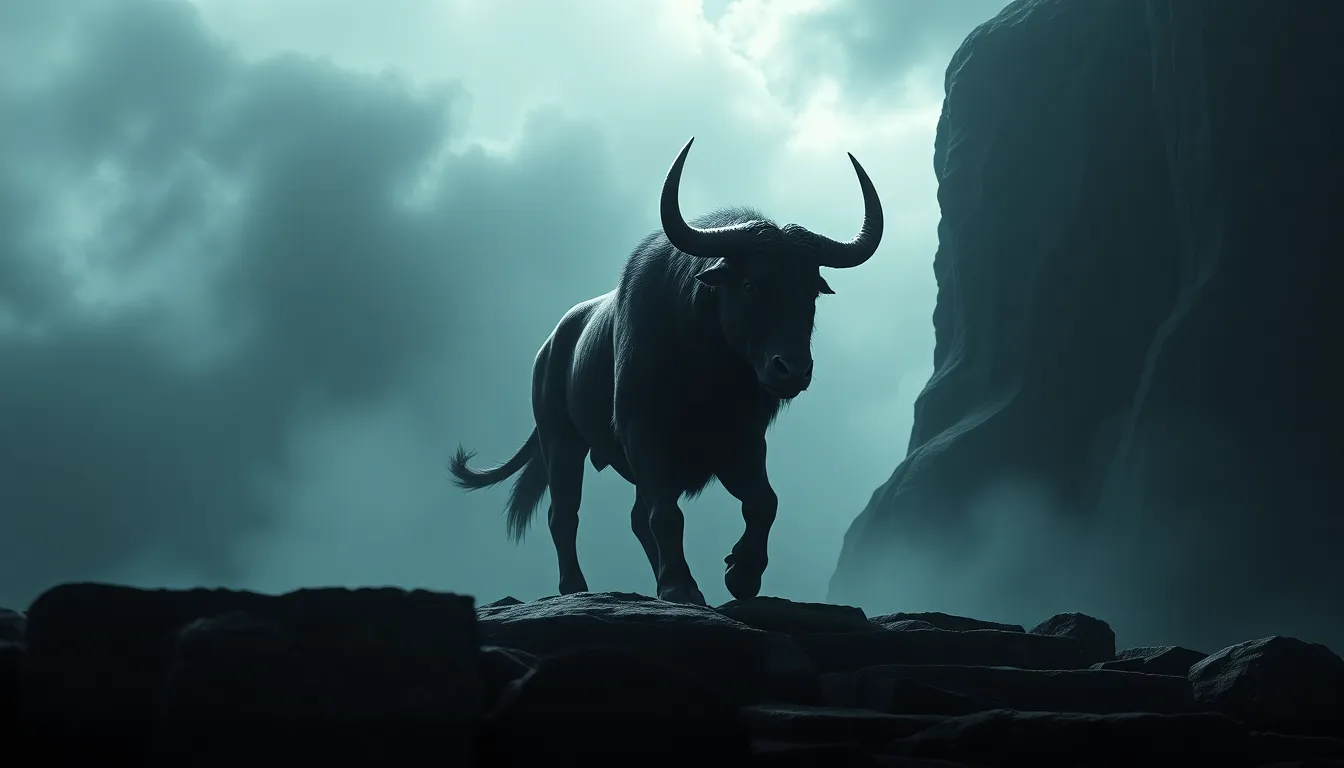
The Minotaur and the Concept of the Hero’s Flaw in Mythology
I. Introduction
The myth of the Minotaur is one of the most compelling tales in Greek mythology, illustrating not only the bizarre nature of its central character but also the profound themes of human flaws and heroism. This article delves into the story of the Minotaur, exploring how it serves as a backdrop for understanding the concept of the hero’s flaw—an intrinsic part of many mythological narratives.
As we navigate through the myth of the Minotaur, we will discuss the implications of the hero’s flaw, particularly in relation to the character of Theseus. This exploration reveals how flaws can shape a hero’s journey, offering lessons that resonate with audiences across time.
II. The Myth of the Minotaur
A. Origins and historical context
The Minotaur myth is rooted in ancient Crete, a civilization known for its advanced culture and labyrinthine palaces. The Minotaur, a creature with the body of a man and the head of a bull, was born from the union of Pasiphaë, the wife of King Minos, and a magnificent bull sent by the god Poseidon.
To contain this monstrous offspring, King Minos commissioned the architect Daedalus to build a labyrinth, a complex maze from which no one could escape. This setting serves as a physical representation of the internal struggles faced by heroes.
B. Key characters involved: King Minos, the Minotaur, Theseus
- King Minos: The ruler of Crete, representing authority and the consequences of divine retribution.
- The Minotaur: A symbol of chaos and the darker aspects of humanity.
- Theseus: The Athenian hero who embodies the quest for glory but also possesses inherent flaws.
C. Summary of the Minotaur’s story
The myth culminates in the Athenian tribute to Crete, where young men and women are sent to the labyrinth as sacrifices to the Minotaur. Theseus volunteers to slay the beast, determined to end the terror that the creature represents. With the help of Ariadne, Minos’ daughter, who provides him with a ball of thread to navigate the labyrinth, Theseus confronts the Minotaur and ultimately defeats it, symbolizing triumph over fear and chaos.
III. Defining the Hero’s Flaw
A. Explanation of the concept in mythology
The hero’s flaw, often referred to as “hamartia,” is a critical aspect of many mythological narratives. This flaw represents a character trait that leads to the hero’s downfall or challenges their quest. It is typically a significant part of their identity, shaping their decisions and interactions with others.
B. Examples of hero’s flaws in various myths
- Achilles: His pride and rage lead to tragic consequences in the Trojan War.
- Oedipus: His determination to uncover the truth results in his tragic fate.
- Hercules: His impulsiveness often places him in dangerous situations, leading to numerous trials.
C. Importance of the hero’s flaw in character development
The hero’s flaw is vital in mythology as it adds depth to the character. It allows audiences to relate to the hero’s struggles, showcasing the universal theme that no one is perfect. The journey to overcome these flaws often leads to growth and self-discovery.
IV. Theseus as a Hero with Flaws
A. Overview of Theseus’ character
Theseus is celebrated as one of the great heroes of Greek mythology, known for his strength, intelligence, and adventurous spirit. However, his character is not without its imperfections. These flaws make him more relatable and human, emphasizing the complexity of heroism.
B. Identification of Theseus’ flaws: hubris, impulsiveness
- Hubris: Theseus often exhibits excessive pride, believing he can overcome any challenge without fully considering the consequences.
- Impulsiveness: His tendency to act without thinking can lead to reckless decisions that endanger himself and others.
C. How these flaws impact his journey
Theseus’ flaws manifest in various ways throughout his adventures, influencing his interactions with other characters and shaping the outcomes of his quests. For instance, his hubris often blinds him to the risks involved in his undertakings, while his impulsiveness can lead him to make hasty decisions that complicate his journey.
V. The Role of the Minotaur in the Hero’s Journey
A. Symbolism of the Minotaur as a reflection of the hero’s flaws
The Minotaur symbolizes the darker aspects of Theseus’ character, representing the chaos and destruction that can arise from unchecked ambition and pride. The battle with the Minotaur serves as a metaphor for Theseus’ internal struggle with his flaws.
B. The Minotaur as an antagonist in Theseus’ story
As the primary antagonist, the Minotaur embodies the challenges that Theseus must confront. The creature’s existence forces Theseus to face not only the physical threat but also the psychological battle against his own flaws.
C. The relationship between the hero and the monster
The relationship between Theseus and the Minotaur is complex. It is not merely a fight between good and evil; rather, it highlights the duality of human nature. The Minotaur, a creature born from unnatural circumstances, reflects the consequences of human actions and the darker side of existence.
VI. Lessons Learned from the Minotaur Myth
A. The significance of confronting one’s flaws
The Minotaur myth teaches that acknowledging and confronting one’s flaws is essential for growth. Theseus’ journey emphasizes that true heroism involves self-awareness and the courage to face internal demons.
B. The transformative journey of self-discovery
Through his confrontation with the Minotaur, Theseus embarks on a transformative journey of self-discovery. This process is crucial for personal development and understanding one’s place in the world.
C. Universal themes of courage, sacrifice, and redemption
The Minotaur myth encapsulates universal themes that resonate with audiences. It speaks to the courage required to face challenges, the sacrifices made for the greater good, and the possibility for redemption through acknowledgment of one’s flaws.
VII. Comparisons to Other Myths
A. Similarities in hero’s flaws across different mythologies
The concept of the hero’s flaw is prevalent in various mythologies beyond Greek tales, highlighting a shared understanding of human imperfection. Heroes from different cultures exhibit similar traits that lead to their trials and tribulations.
B. Case studies: Hercules, Odysseus, and other heroes
- Hercules: His strength is counterbalanced by his inability to control his rage, leading to tragic outcomes.
- Odysseus: His cunning is often overshadowed by his arrogance, causing delays in his journey home.
C. The common thread of imperfection in heroic narratives
Across various mythologies, the common thread of imperfection in heroic narratives serves to remind audiences that flaws are an inherent part of the human experience. These stories encourage self-reflection and the understanding that growth often comes through struggle.
VIII. Conclusion
A. Recap of the Minotaur’s role in highlighting the hero’s flaw
The Minotaur myth serves as a powerful narrative that illustrates the concept of the hero’s flaw through the character of Theseus. The encounter with the Minotaur is not simply a physical battle but a profound confrontation with his own imperfections.
B. The enduring relevance of these themes in modern storytelling
The themes of the Minotaur myth continue to resonate in modern storytelling, reflecting the complexities of human nature and the universal journey of self-discovery. Contemporary heroes often mirror these ancient narratives, grappling with their own flaws.
C. Final thoughts on the complexity of heroes in mythology
Ultimately, the Minotaur myth encapsulates the complexity of heroes in mythology, reminding