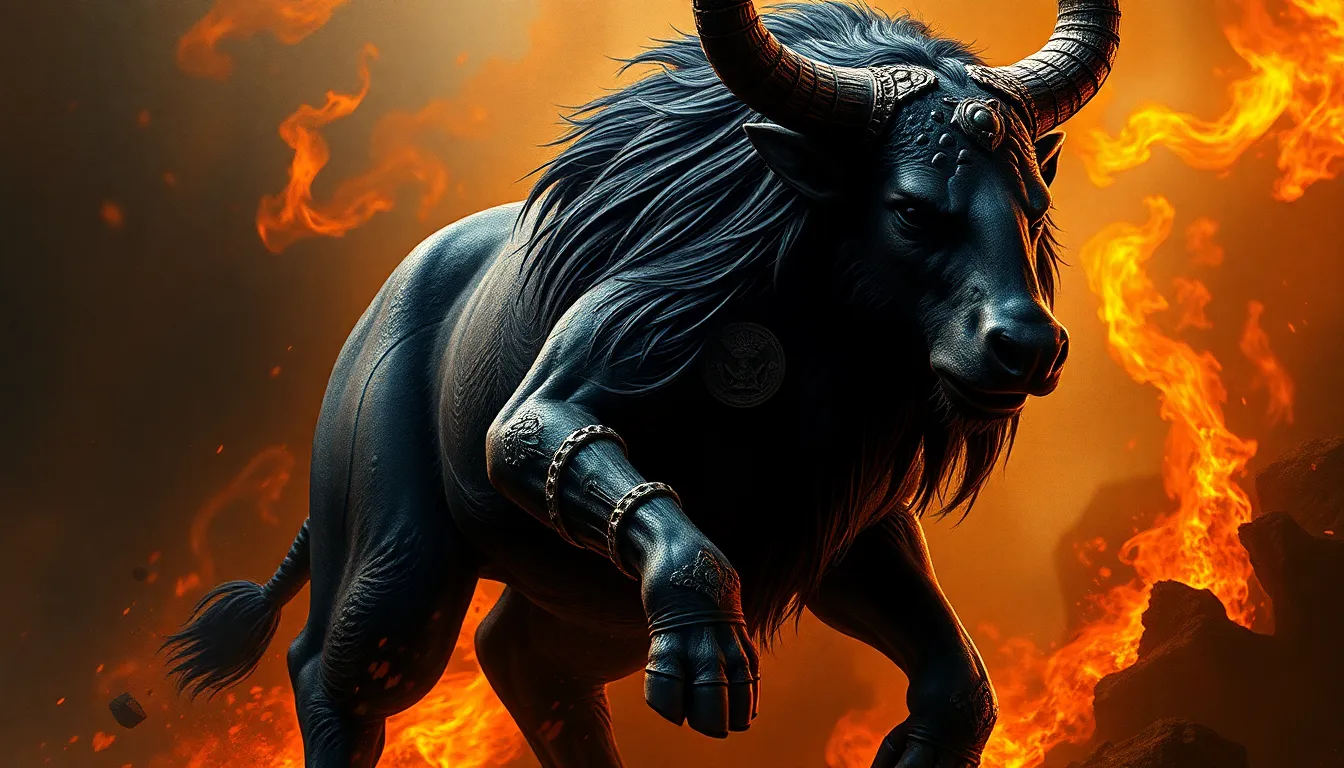
The Minotaur’s Influence on Gothic Literature and Art
I. Introduction
The Minotaur, a creature with the body of a man and the head of a bull, is one of the most captivating figures in Greek mythology. Born from the unnatural union of Pasiphaë and a majestic bull, this beast became a symbol of humanity’s darkest fears and desires. The myth of the Minotaur is not just a tale of a monster confined to a labyrinth; it represents a deeper cultural narrative that resonates throughout history.
The significance of the Minotaur in cultural history extends far beyond ancient Greece. The myth has inspired countless works of art and literature, particularly within the Gothic tradition, where themes of isolation, monstrosity, and the complexities of the human psyche are prevalent. This article aims to explore the Minotaur’s profound impact on Gothic literature and art, highlighting how this ancient myth continues to shape modern narratives.
II. The Myth of the Minotaur: Origins and Symbolism
The Minotaur myth has its roots in ancient Greek civilization, where it was used to explain the nature of humanity and the consequences of hubris. The creature resided in a labyrinth designed by Daedalus, symbolizing the complexities and entrapments of the human condition.
Symbolically, the Minotaur represents the duality of man and beast, illustrating the struggle between civilization and primal instincts. This duality is further emphasized by the labyrinth, which serves as a metaphor for psychological complexity, suggesting that the journey to understand oneself is fraught with challenges and dangers.
III. The Minotaur in Gothic Literature
Gothic literature thrives on themes of isolation, monstrosity, and the exploration of the human psyche. The Minotaur myth provides a rich backdrop for these themes, particularly in how it represents the monstrous aspects of humanity.
A. Key themes: isolation, monstrosity, and the human psyche
Gothic narratives often depict characters who grapple with their inner demons, akin to Theseus’s confrontation with the Minotaur. This struggle reflects the isolation and despair that accompany the search for identity and meaning.
B. Prominent works influenced by the Minotaur myth
- Examples from early Gothic novels: Works such as Mary Shelley’s “Frankenstein” and Horace Walpole’s “The Castle of Otranto” echo the themes of monstrosity and the fear of the other, reminiscent of the Minotaur’s story.
- Influence on modern Gothic literature: Contemporary authors like Angela Carter and Neil Gaiman have drawn on the Minotaur myth to explore themes of transformation and identity, weaving the creature into their narratives as a symbol of repressed desires.
IV. The Minotaur in Gothic Art
The Minotaur has been a subject of fascination for artists throughout the centuries, inspiring a variety of interpretations in Gothic art.
A. Depictions of the Minotaur in visual art
From classical sculptures to modern paintings, the Minotaur has been depicted in various forms that highlight its monstrous nature and the emotional turmoil it embodies.
B. Analysis of notable artists and their interpretations
- Works from the Romantic and Pre-Raphaelite movements: Artists such as Gustave Moreau and Edward Burne-Jones have created evocative pieces that explore the tension between beauty and monstrosity.
- Contemporary interpretations in Gothic art: Contemporary artists continue to reinterpret the Minotaur, often using it as a metaphor for societal fears and the human subconscious.
V. The Psychological Underpinnings of the Minotaur in Gothic Themes
The Minotaur serves as a powerful symbol in exploring psychological themes within Gothic literature and art. The creature embodies the fear of the ‘monstrous other,’ representing aspects of ourselves that we often suppress or deny.
A. Exploration of fear and the monstrous other
The Minotaur’s existence challenges characters to confront their own fears and the darker sides of their nature, making it a compelling figure for exploring themes of monstrosity.
B. The labyrinth as a representation of inner turmoil
Much like the labyrinth that confines the Minotaur, individuals often find themselves trapped within their own psychological mazes, battling their fears and desires.
C. The Minotaur as a symbol of repressed desires and societal fears
The creature also represents repressed desires and the societal fears of what lies beneath the surface of human civility. This duality is a central theme in many Gothic narratives.
VI. The Minotaur and Gender Dynamics in Gothic Literature and Art
Gender dynamics play a crucial role in the interpretation of the Minotaur myth within Gothic literature and art. The creature’s dual nature invites analysis of masculinity and femininity in the context of monstrosity.
A. The portrayal of femininity and masculinity through the Minotaur lens
The Minotaur, as a hybrid being, challenges traditional gender roles and highlights the complexities of identity. This duality often reflects societal anxieties regarding gender and power.
B. Case studies of female characters in relation to the Minotaur myth
Female characters in Gothic literature often encounter the Minotaur in various forms, representing the struggle against patriarchal control and the exploration of their own identities.
C. The intersection of monstrosity and gender in Gothic narratives
The interplay of monstrosity and gender highlights how societal constructs shape our understanding of identity, ultimately questioning what it means to be ‘normal’ or ‘monstrous.’
VII. The Minotaur’s Legacy in Contemporary Gothic Works
The legacy of the Minotaur continues to thrive in contemporary Gothic literature, film, and visual arts. Modern adaptations and reinterpretations keep the myth alive, exploring its relevance in today’s cultural landscape.
A. Modern adaptations and reinterpretations of the Minotaur myth
Contemporary works often reimagine the Minotaur, focusing on themes of identity, transformation, and the human condition. These adaptations reflect ongoing societal issues and the complexities of human nature.
B. Influence on contemporary literature, film, and visual arts
- Films such as “Pan’s Labyrinth” and “The Shape of Water” incorporate elements of the Minotaur myth, using monster figures to explore themes of otherness and acceptance.
- Visual artists continue to draw on the Minotaur as a powerful symbol, creating works that challenge viewers to confront their own fears and preconceptions.
C. The enduring relevance of the Minotaur in popular culture
The Minotaur’s influence can be seen in various aspects of popular culture, from literature and film to video games and fashion, highlighting its status as a timeless symbol of the human experience.
VIII. Conclusion
In summary, the Minotaur has profoundly influenced Gothic literature and art, serving as a powerful symbol of the complexities of human nature. The themes of isolation, monstrosity, and psychological turmoil associated with the Minotaur resonate with audiences across generations.
The continuing fascination with the Minotaur myth reflects humanity’s eternal struggle to understand the dualities within ourselves. As we delve into the realms of Gothic literature and art, the Minotaur remains a pivotal figure, reminding us of the rich tapestry of cultural narratives that shape our understanding of identity, fear, and desire.
Ultimately, the Minotaur serves as a timeless reminder of the importance of myth in exploring the depths of the human psyche and the societal constructs that define us.