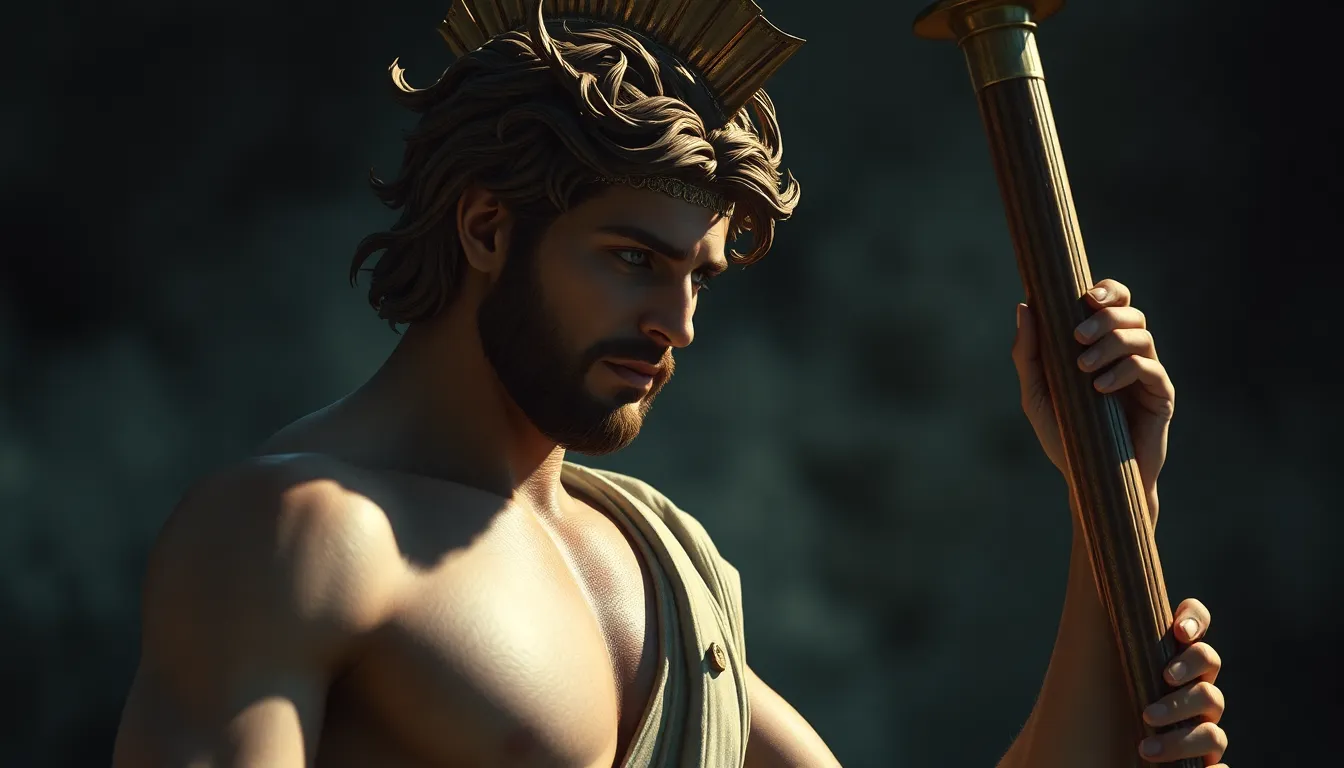
The Modern-Day Achilles: Exploring Vulnerability in Today’s Heroes
I. Introduction
In contemporary society, the definition of heroism has evolved significantly. Heroes are no longer solely depicted as invincible warriors or flawless individuals; rather, they are often characterized by their ability to confront challenges, demonstrate resilience, and connect with others on an emotional level. This shift reflects a broader understanding of what it means to be heroic in our complex, interconnected world.
Achilles, a central figure in Greek mythology, epitomizes the duality of strength and vulnerability. Renowned for his unmatched prowess in battle, Achilles is also famously remembered for his singular weakness—his heel. This contrast between extraordinary strength and a critical vulnerability serves as a powerful metaphor that resonates in modern contexts.
The purpose of this article is to explore how modern heroes reflect the duality of strength and vulnerability, drawing parallels between Achilles’ myth and contemporary figures who inspire us today.
II. The Myth of Achilles: Strength and Flaws
Achilles’ story is one of the most compelling tales in Greek mythology. Born to the sea nymph Thetis and the mortal king Peleus, Achilles was prophesied to be either a great hero or live a long, uneventful life. Choosing glory over longevity, he became a formidable warrior in the Trojan War. His exploits are celebrated in works like Homer’s Iliad, where he showcases both unparalleled skill and profound emotional depth.
However, Achilles is not without his flaws. His wrath, pride, and susceptibility to grief lead to tragic consequences, illustrating the inherent complexities of human nature. The term “Achilles’ heel” has transcended its mythological origins, symbolizing the idea that even the strongest among us have vulnerabilities. It serves as a reminder that our weaknesses are part of our humanity.
Lessons from Achilles’ life resonate with modern audiences, emphasizing that true heroism includes acknowledging and confronting one’s vulnerabilities. This acceptance can lead to personal growth and deeper connections with others.
III. Characteristics of Modern-Day Heroes
Today, heroism takes on many diverse forms. Modern heroes may include:
- Activists advocating for social justice
- Caregivers providing essential support to loved ones
- Everyday individuals who perform acts of kindness
These modern heroes often challenge traditional ideals of masculinity and heroism, which have historically emphasized stoicism, strength, and the absence of emotion. Instead, contemporary heroes are increasingly celebrated for their emotional intelligence, empathy, and ability to connect with others. This shift allows for a more inclusive understanding of heroism that recognizes the importance of vulnerability.
https://www.youtube.com/watch?v=2oZp8C8Im0k
IV. Vulnerability as a Strength
Psychological research has shown that vulnerability can be a source of strength and resilience. Embracing vulnerability allows individuals to confront their fears, learn from their experiences, and build authentic relationships. Psychologist Brené Brown has extensively explored this concept, asserting that vulnerability is essential for courage and connection.
Numerous contemporary heroes exemplify this embrace of vulnerability. For instance:
- Public figures who openly discuss their mental health struggles
- Community leaders who share their personal stories to inspire others
- Artists and creators who use their platforms to express their own vulnerabilities
These individuals demonstrate that vulnerability fosters connection and authenticity, ultimately creating a more compassionate society.
V. The Role of Social Media in Hero Narratives
Social media has dramatically transformed the landscape of hero narratives. Platforms like Instagram, Twitter, and TikTok allow individuals to share their stories and perspectives with a global audience. This democratization of storytelling has profound implications for how we perceive heroism.
Through social media, vulnerable storytelling has found a platform, enabling heroes to connect with others and share their journeys of resilience. However, this phenomenon also comes with challenges:
- The potential for hero worship, where individuals are placed on unrealistic pedestals
- The risk of superficiality, where the depth of vulnerability may be overshadowed by the pursuit of likes and shares
- The importance of maintaining authenticity in a curated online presence
As we navigate this new terrain, it is crucial to recognize the value of genuine storytelling and the complexity of modern heroism.
VI. Challenges and Backlash Against Vulnerable Heroes
Despite the growing recognition of vulnerability as a strength, societal resistance persists. Many individuals still view vulnerability as a weakness, particularly in leadership roles. This stigma can hinder the acceptance and support of leaders who openly share their struggles.
Mental health issues remain heavily stigmatized, impacting public perception of those who advocate for mental wellness or admit to their own difficulties. The backlash against vulnerable heroes can manifest in various ways:
- Criticism and ridicule for showing emotional weakness
- Misunderstanding and misrepresentation in the media
- Challenges in maintaining integrity while facing scrutiny
Modern heroes must navigate these challenges while remaining true to themselves and their values, often requiring immense courage and resilience.
VII. Cultivating a New Heroic Ideal
To foster a new heroic ideal that embraces vulnerability, we must encourage open conversations about mental health, emotional intelligence, and resilience. This can be achieved through:
- Educational programs that promote empathy and understanding
- Workshops and initiatives that encourage leaders to share their stories and foster vulnerability
- Community-building activities that celebrate diverse forms of heroism
By cultivating an inclusive and compassionate society, we can redefine what it means to be a hero in the modern world, creating space for individuals to embrace their vulnerabilities and connect with others.
VIII. Conclusion
In conclusion, the exploration of vulnerability in defining modern heroes highlights the importance of embracing our flaws and complexities. Heroes like Achilles remind us that strength and vulnerability coexist, and acknowledging our weaknesses can lead to personal growth and deeper connections.
As readers, we are called to recognize and embrace our own vulnerabilities, understanding that they are not signs of weakness but rather integral parts of our shared human experience. The evolution of heroism challenges us to redefine our ideals and strive for a more compassionate future for generations to come.