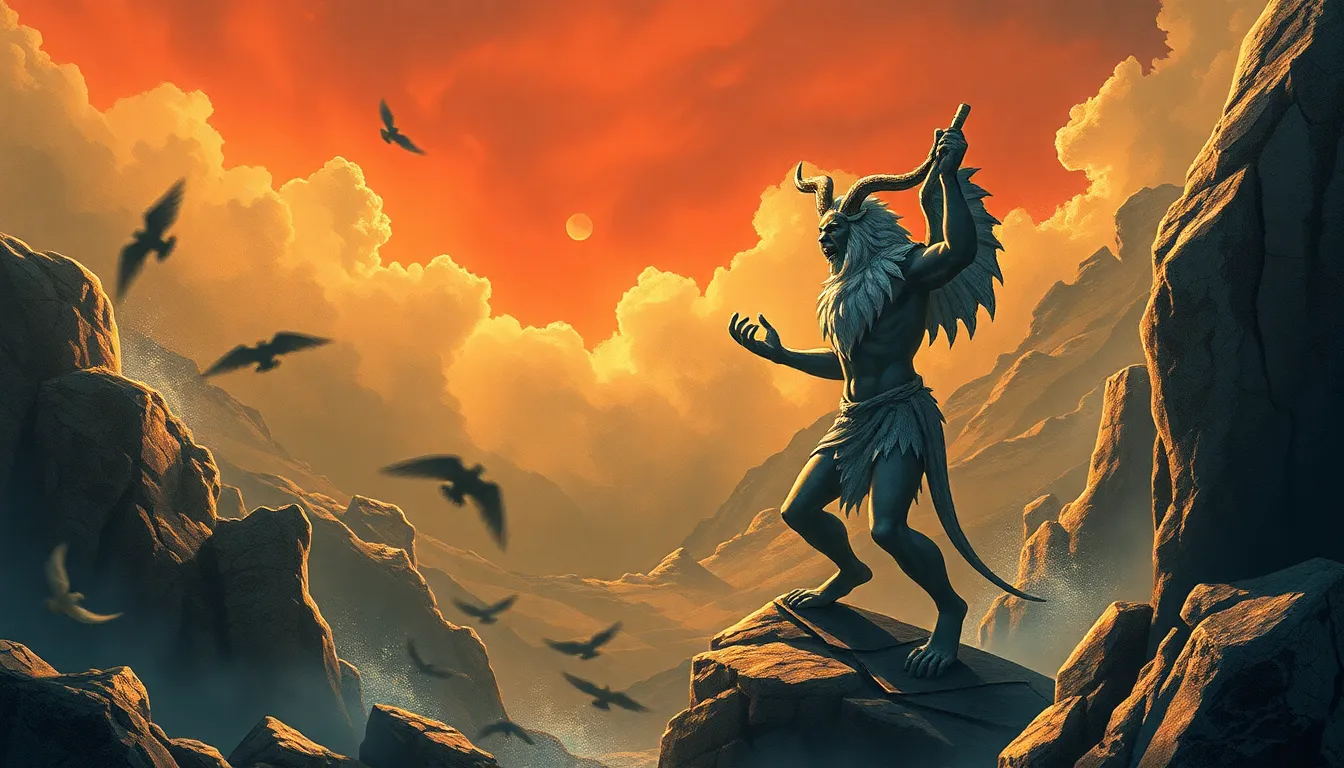
The Most Dangerous Myths of Ancient Greece: Tales of Caution
I. Introduction
Greek mythology is a rich tapestry of stories that have shaped the cultural and moral landscape of Western civilization. These myths not only entertain but also impart wisdom, caution, and moral lessons that have echoed through the ages.
In ancient Greek society, cautionary tales played a crucial role in educating individuals about the potential dangers of human behavior and the consequences of one’s actions. Myths served as a means of exploring complex themes such as ambition, pride, curiosity, and the human condition itself.
This article aims to delve into some of the most dangerous myths of ancient Greece, examining the lessons they impart and their relevance to modern society.
II. The Myth of Icarus: The Dangers of Hubris
The myth of Icarus is a classic tale of ambition and the consequences of overreaching. Icarus, the son of Daedalus, was given wings made of feathers and wax to escape from the labyrinth of Crete. Daedalus warned Icarus not to fly too high, for the sun would melt the wax and cause him to fall. However, Icarus, overwhelmed by the exhilaration of flight, soared too close to the sun. The wax melted, and he plunged into the sea, drowning.
This myth highlights the concept of hubris—a dangerous overconfidence that leads individuals to disregard warnings and push beyond their limits. In Greek culture, hubris was often seen as a significant moral flaw, resulting in nemesis, or retribution from the gods.
In modern times, the implications of Icarus’s tale resonate with the concept of overreaching ambition. Individuals and organizations that ignore cautionary wisdom in pursuit of success can face severe consequences.
III. Pandora’s Box: The Perils of Curiosity
Pandora, the first woman created by the gods, was given a box (or jar) and instructed not to open it. Driven by curiosity, she eventually opened the box, releasing all the evils of the world—such as disease, war, and despair—while leaving hope trapped inside. This story serves as a powerful reminder of the dangers associated with unchecked curiosity.
Curiosity is inherently a double-edged sword; while it drives innovation and discovery, it can also lead to unforeseen consequences. Pandora’s Box symbolizes the potential dangers of seeking knowledge without considering the ramifications.
The lessons learned from Pandora’s myth emphasize the importance of understanding and respecting the boundaries of knowledge. Curiosity should be tempered with caution and consideration for the potential outcomes of our inquiries.
IV. The Tale of Narcissus: The Threat of Self-Obsession
Narcissus was a handsome youth who fell in love with his own reflection in a pool of water. Unable to tear himself away from his image, he ultimately perished, consumed by his self-obsession. The tale serves as a poignant warning about the dangers of excessive self-love and vanity.
In today’s society, narcissism has become a prevalent issue. The rise of social media has amplified self-obsession, leading to an epidemic of individuals who prioritize their image over genuine connections with others. Narcissus’s fate serves as a cautionary tale about the destructive nature of self-obsession and the importance of self-awareness and humility.
V. The Tragedy of Arachne: The Consequences of Pride in Skill
Arachne was a talented weaver who boasted that her skills surpassed those of Athena, the goddess of wisdom and crafts. Athena, disguised as an old woman, warned Arachne to be humble. Ignoring the warning, Arachne challenged the goddess to a weaving contest. While Arachne crafted a beautiful tapestry, she depicted the gods in an unflattering manner. Enraged, Athena transformed Arachne into a spider, condemning her to weave for eternity.
This myth examines the consequences of pride, particularly in one’s skills and talents. Arachne’s downfall is a reminder that arrogance can lead to one’s undoing, a sentiment echoed throughout Greek literature and culture.
In modern creative fields, competition can foster pride and rivalry. Arachne’s story serves as a reminder that humility and respect for one’s craft and peers are essential for lasting success.
VI. The Curse of Medusa: The Impact of Isolation and Fear
Medusa, once a beautiful maiden, was transformed into a monster with snakes for hair as punishment from Athena. Anyone who looked directly at Medusa would turn to stone. As a result, Medusa lived in isolation, feared by all, and became a symbol of tragedy and abandonment.
The story of Medusa highlights the destructive power of fear and isolation. Her transformation was a consequence of her circumstances rather than her actions, illustrating how societal responses to individuals who are different can lead to suffering and alienation.
Medusa’s tale encourages reflection on how society treats those who are marginalized or different. It serves as a reminder to approach others with empathy and understanding rather than fear.
VII. The Labors of Heracles: The Burden of Responsibility
Heracles, known for his immense strength, was tasked with completing twelve labors as penance for a crime committed under the influence of madness. These labors included slaying the Nemean lion, capturing the Golden Hind of Artemis, and retrieving the apples of the Hesperides. Each labor posed significant challenges, demanding courage, ingenuity, and perseverance.
The theme of personal responsibility is central to Heracles’ story. He faced the consequences of his actions and undertook immense burdens to atone for them. His journey teaches the importance of confronting challenges head-on and accepting the responsibilities that life presents.
In contemporary society, the lessons from Heracles’ labors are relevant as individuals navigate their own burdens and challenges. Facing adversity with courage and integrity can lead to personal growth and redemption.
VIII. Conclusion
The dangerous myths discussed—those of Icarus, Pandora, Narcissus, Arachne, Medusa, and Heracles—each serve as powerful cautionary tales that explore the complexities of human nature and the consequences of our actions.
These stories remain enduringly relevant, offering insights into the dangers of hubris, curiosity, self-obsession, pride, fear, and the importance of responsibility. They remind us that the lessons of the past can guide our present and future choices.
As we reflect on these ancient tales, it is crucial to learn from the mistakes of the characters within them, recognizing the timeless wisdom they offer. Greek mythology continues to resonate, encouraging us to approach life with caution, respect, and an understanding of our limitations.