The Myth of Icarus: The Dangers of Hubris and Ambition
I. Introduction
The myth of Icarus serves as a poignant reminder of the dangers of hubris and unchecked ambition. This ancient tale, originating from Greek mythology, explores the consequences of overreaching one’s limits. By studying the themes of hubris and ambition, we gain insights into the human condition and the potential pitfalls that accompany our aspirations. This article aims to delve deeply into the myth of Icarus, examining its key components, its implications, and its enduring relevance in contemporary society.
II. The Story of Icarus
The myth of Icarus is rooted in the rich tapestry of Greek mythology, where tales often convey moral lessons and human experiences. Icarus, the son of the master craftsman Daedalus, is best known for his ill-fated attempt to escape captivity by flying too close to the sun with wings made of feathers and wax.
A. Origins of the myth in Greek mythology
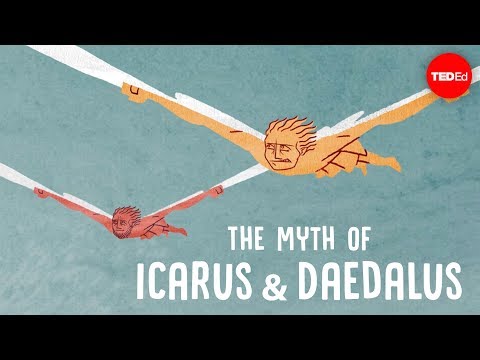
The story of Icarus is found in various ancient texts, most notably in Ovid’s “Metamorphoses.” Daedalus, a skilled inventor and architect, created the Labyrinth to house the Minotaur. After helping Theseus navigate the maze, Daedalus and Icarus were imprisoned by King Minos of Crete. To escape, Daedalus devised wings for himself and his son, warning Icarus not to fly too high or too low.
B. Key characters: Daedalus and Icarus
- Daedalus: A brilliant inventor known for his intelligence and creativity. His skills are both a gift and a source of danger.
- Icarus: The ambitious and headstrong son of Daedalus, whose desire to soar leads him to disregard his father’s warnings.
C. The significance of the wax wings
The wax wings symbolize both innovation and fragility. While they represent the ingenuity of Daedalus, they also highlight the vulnerability of human ambition. Icarus’s rise into the sky becomes a metaphor for the heights of aspiration, while his fall signifies the consequences of overconfidence.
III. Understanding Hubris
A. Definition of hubris in a historical and literary context
Hubris is often defined as excessive pride or self-confidence, typically leading to a downfall. In ancient Greek literature, it frequently describes characters who elevate themselves to a status equal to or above the gods, inciting divine retribution.
B. Examples of hubris in mythology and literature
- Prometheus: Defied Zeus by giving fire to humanity, resulting in severe punishment.
- Arachne: Challenged Athena to a weaving contest and faced dire consequences for her arrogance.
- Oedipus: His determination to defy fate led to tragic outcomes.
C. Psychological implications of hubris
Psychologically, hubris can be viewed as a defense mechanism against feelings of inadequacy. It can lead individuals to take risks that ultimately result in their downfall, as they may fail to recognize their limitations.
IV. The Role of Ambition
A. Differentiating between healthy ambition and destructive ambition
Ambition can be a driving force for success, but it can also become destructive when it blinds individuals to ethical considerations or personal limits. Healthy ambition is characterized by:
- Realistic goals
- Respect for others
- A willingness to learn and adapt
In contrast, destructive ambition manifests as:
- Ruthlessness
- Ignoring consequences
- Disregarding the well-being of others
B. The relationship between ambition and risk-taking
Ambition often involves a degree of risk-taking. Successful individuals frequently step outside their comfort zones to achieve their goals. However, the line between prudent risk and reckless disregard is thin, as illustrated by Icarus’s flight.
C. Famous historical figures whose ambition led to downfall
- Napoleon Bonaparte: His ambition to expand the French Empire ultimately led to his defeat and exile.
- Elizabeth Holmes: The founder of Theranos, whose ambition to revolutionize healthcare led to fraudulent practices and legal consequences.
- Julius Caesar: His ambition to become dictator for life resulted in his assassination by those he considered allies.
V. The Consequences of Hubris and Ambition
A. Analysis of Icarus’s fate and its implications
Icarus’s ascent into the sky, driven by his ambition and disregard for his father’s warnings, culminates in tragedy. As he flies higher, the sun melts the wax holding his wings together, leading to his fall into the sea. This serves as a powerful metaphor for the consequences of overreaching ambition.
B. Broader implications of the myth in modern society
The myth of Icarus resonates in today’s world, where ambition often drives innovation but can also lead to ethical lapses and personal fails. The constant pursuit of success can result in burnout, loss of integrity, and, ultimately, failure.
C. Case studies: contemporary examples of hubris leading to failure
- Enron: Corporate executives engaged in unethical practices, believing they were invincible, led to one of the largest bankruptcies in history.
- Blockbuster: The company ignored changing market trends and the rise of digital streaming, leading to its downfall.
- Theranos: Ambition to revolutionize blood testing without the necessary evidence resulted in legal consequences and the collapse of the company.
VI. Lessons from the Myth of Icarus
A. The importance of self-awareness and humility
The tale of Icarus teaches the value of self-awareness. Recognizing one’s limitations and the potential consequences of ambition can prevent catastrophic outcomes. Humility allows individuals to learn from failures and adapt their strategies.
B. Balancing ambition with caution
Ambition should be tempered with caution. Setting realistic goals and understanding the risks involved can lead to sustainable success. It is essential to assess the potential consequences of one’s actions regularly.
C. The value of seeking guidance and mentorship
Having mentors and advisors can provide valuable perspectives and help navigate the challenges of ambition. Learning from those who have experienced both success and failure can inform better decision-making.
VII. Cultural Interpretations and Adaptations
A. The influence of the Icarus myth in art and literature
The myth of Icarus has inspired countless works of art and literature. Artists like Pieter Bruegel the Elder depicted Icarus’s fall in their paintings, emphasizing the theme of human disregard for the struggles of others.
B. Modern retellings and interpretations of the story
Contemporary authors and filmmakers often revisit the Icarus myth, infusing it with modern themes of ambition, technology, and ethical dilemmas. These adaptations highlight the timeless relevance of Icarus’s story.
C. The myth’s relevance in contemporary discussions on ambition
In a world where success is often glorified, the myth serves as a cautionary tale about the potential pitfalls of ambition. Discussions surrounding corporate ethics, personal responsibility, and mental health frequently reference the lessons inherent in Icarus’s fate.
VIII. Conclusion
In conclusion, the myth of Icarus encapsulates the dangers of hubris and unchecked ambition. Through the tale of Icarus and Daedalus, we see the profound implications of overreaching one’s limits. The lessons of self-awareness, humility, and the balancing of ambition with caution remain relevant today. As we reflect on our own ambitions, it is crucial to remember the story of Icarus and the lessons it imparts about the heights we can achieve—and the depths that may follow if we lose sight of our limitations.