The Myth of the Chimaera: Navigating Complexity in Modern Times
I. Introduction
The myth of the Chimaera is one of the most fascinating tales from ancient Greek mythology. This creature, often depicted as a monstrous hybrid with the body of a lion, the head of a goat, and a serpent’s tail, symbolizes the fears and chaos of the world. In modern times, the Chimaera serves as a powerful metaphor for the complexities we face, reflecting the blend of identities, ideas, and challenges that characterize contemporary life.
This article aims to explore the lessons from the Chimaera myth and how they can inform our understanding of the complexities inherent in modern society. By examining the symbolism and historical significance of the Chimaera, we can glean insights into navigating our multifaceted world.
II. Understanding the Chimaera: A Brief Mythological Background
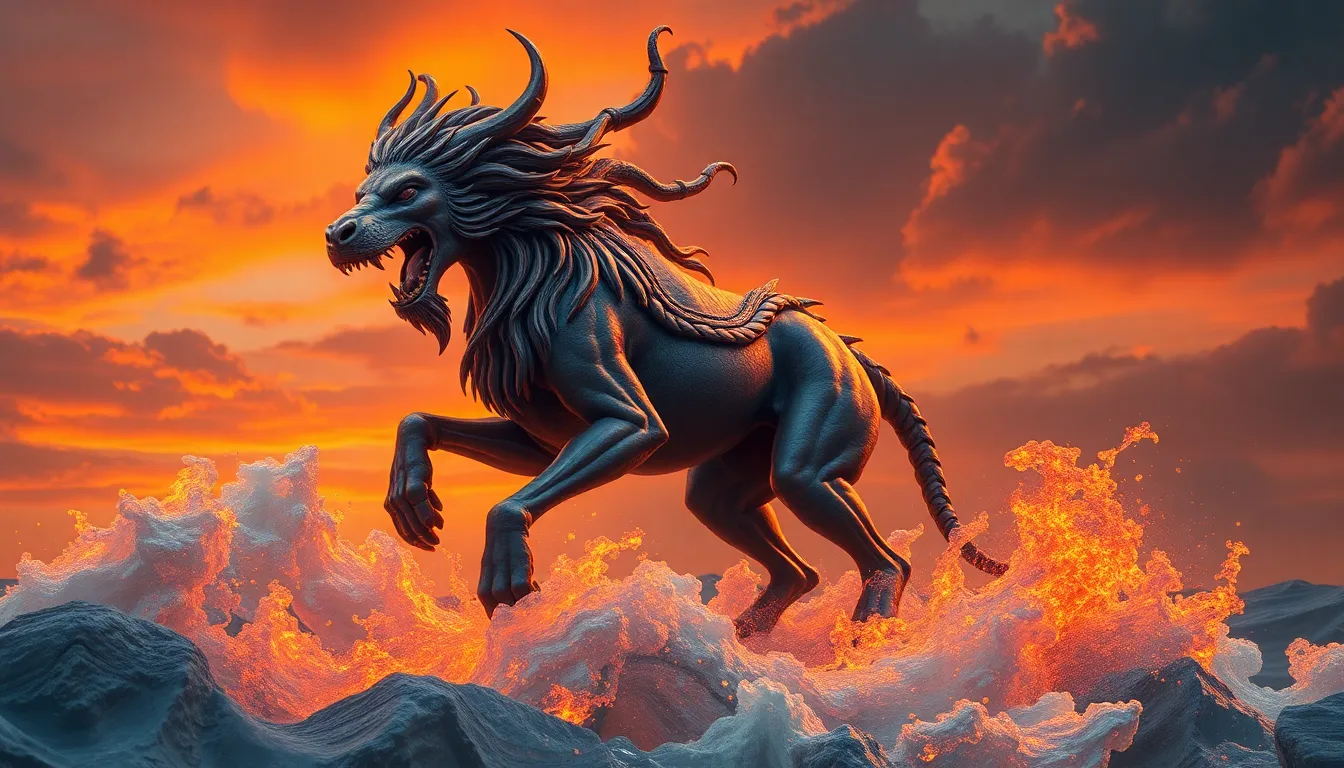
In Greek mythology, the Chimaera is a fearsome creature that breathes fire and embodies chaos. It is traditionally described as a hybrid beast, with the body of a lion, a goat’s head protruding from its back, and a serpent for a tail. This depiction highlights the theme of hybridization, representing the blending of different elements into a singular, formidable entity.
The symbolism of the Chimaera extends beyond its physical form. It stands for:
- Fear: The terrifying nature of the Chimaera reflects humanity’s anxieties and fears.
- Chaos: The creature’s hybrid nature signifies the unpredictable and chaotic elements in life.
- Hybridization: The Chimaera embodies the merging of different identities and ideas, which is increasingly relevant in today’s globalized world.
Historically, the Chimaera has been interpreted in various ways, symbolizing not only physical threats but also existential fears. Its cultural significance can be seen in literature, art, and even modern storytelling, where hybrid creatures often represent societal anxieties.
III. The Nature of Complexity in the Modern World
Complexity is a defining feature of the contemporary landscape, emerging in various forms:
- Social Complexity: The interplay of diverse cultures, beliefs, and social structures creates intricate social dynamics.
- Political Complexity: Modern political systems are characterized by interdependencies and multifaceted issues that transcend national borders.
- Technological Complexity: Rapid technological advancements lead to interconnected systems that are often difficult to navigate.
Examples of complex systems include:
- Global Supply Chains: The intricate web of production, distribution, and consumption that spans the globe.
- Climate Change: An interconnected challenge that involves environmental, social, and economic factors.
- Social Media Ecosystems: The complex networks of communication and influence that shape public opinion and behavior.
These complexities pose challenges in daily life and decision-making. People often find themselves overwhelmed by the multitude of choices and the interconnected consequences of their actions, mirroring the chaotic nature of the Chimaera.

IV. Lessons from the Chimaera: Embracing Hybrid Identities
One of the key lessons from the Chimaera is the importance of embracing ambiguity and diversity. In a world where hybrid identities are increasingly common, acceptance of complexity can foster innovation and creativity.
The role of hybrid identities in fostering innovation can be illustrated through various fields:
- Art: Artists who blend styles and media often produce groundbreaking work that challenges traditional boundaries.
- Business: Companies that embrace diverse perspectives and hybrid business models can adapt to changing markets and consumer needs.
- Science: Interdisciplinary research often leads to breakthroughs that wouldn’t be possible within the confines of a single discipline.
Case studies of successful hybrid approaches demonstrate the value of integrating different perspectives and methodologies, promoting a more holistic view of challenges and opportunities.
V. Strategies for Navigating Complexity
To effectively navigate complexity, individuals and organizations can adopt various strategies:
- Critical Thinking: Developing analytical skills to evaluate information and make informed decisions.
- Collaborative Approaches: Engaging diverse teams to harness different perspectives and ideas.
- Tools and Frameworks: Utilizing methodologies such as systems thinking and design thinking can help in managing complex problems. For example:
- Systems Thinking: Understanding how components interact within a system to identify leverage points for change.
- Design Thinking: A user-centered approach to problem-solving that emphasizes empathy and iterative solutions.
By employing these strategies, individuals and organizations can better navigate the complexities of modern life and make more effective decisions.
VI. The Role of Myth in Understanding Modern Challenges
Myths play a crucial role in shaping cultural narratives and influencing behavior. They offer frameworks through which individuals can interpret their experiences and understand the complexities of the world around them.
The enduring power of storytelling allows myths, such as that of the Chimaera, to resonate across generations. They provide insights into human nature and societal challenges, helping us make sense of our realities.
The Chimaera, as a lens for interpreting current societal issues, encourages us to confront our fears and embrace the chaos of hybrid identities. It serves as a reminder that complexity is an inherent part of life, one that can lead to growth and innovation if approached with the right mindset.
VII. Future Implications: Preparing for an Uncertain World
As we look to the future, it is essential to anticipate the complexities and challenges that lie ahead. The necessity of adaptability and resilience becomes paramount in an ever-evolving landscape.
Encouraging a myth-informed approach to future problem-solving can help individuals and organizations thrive amidst uncertainty. By drawing lessons from myths like the Chimaera, we can better prepare ourselves to face the unknown with confidence and creativity.
VIII. Conclusion
In conclusion, the significance of the Chimaera in navigating modern complexities cannot be overstated. By embracing the lessons of this ancient myth, we can better understand the hybrid nature of our identities and the chaotic realities of contemporary life.
As we move forward, let us commit to embracing complexity as a path to growth and understanding. The interplay between mythology and contemporary life offers valuable insights that can guide us through the challenges we face in an increasingly complex world.
Ultimately, the Chimaera teaches us that while complexity may be daunting, it also presents opportunities for innovation, collaboration, and deeper understanding.