The Myths of Delphi: Stories of Gods and Mortals
I. Introduction
Delphi, often regarded as the navel of the world in ancient Greek mythology, held a place of immense significance in the culture and spirituality of the Greeks. Nestled on the slopes of Mount Parnassus, this sacred site was not only known for its stunning natural beauty but also for its role as the home of the Oracle of Delphi, a prophetic figure who communicated the will of the gods to mortals. The myths surrounding Delphi weave a rich tapestry of stories that explore the complex interactions between gods and humans, fate and free will, and the consequences of hubris.
II. The Sacred Site of Delphi
A. Historical background of Delphi as the Oracle’s location
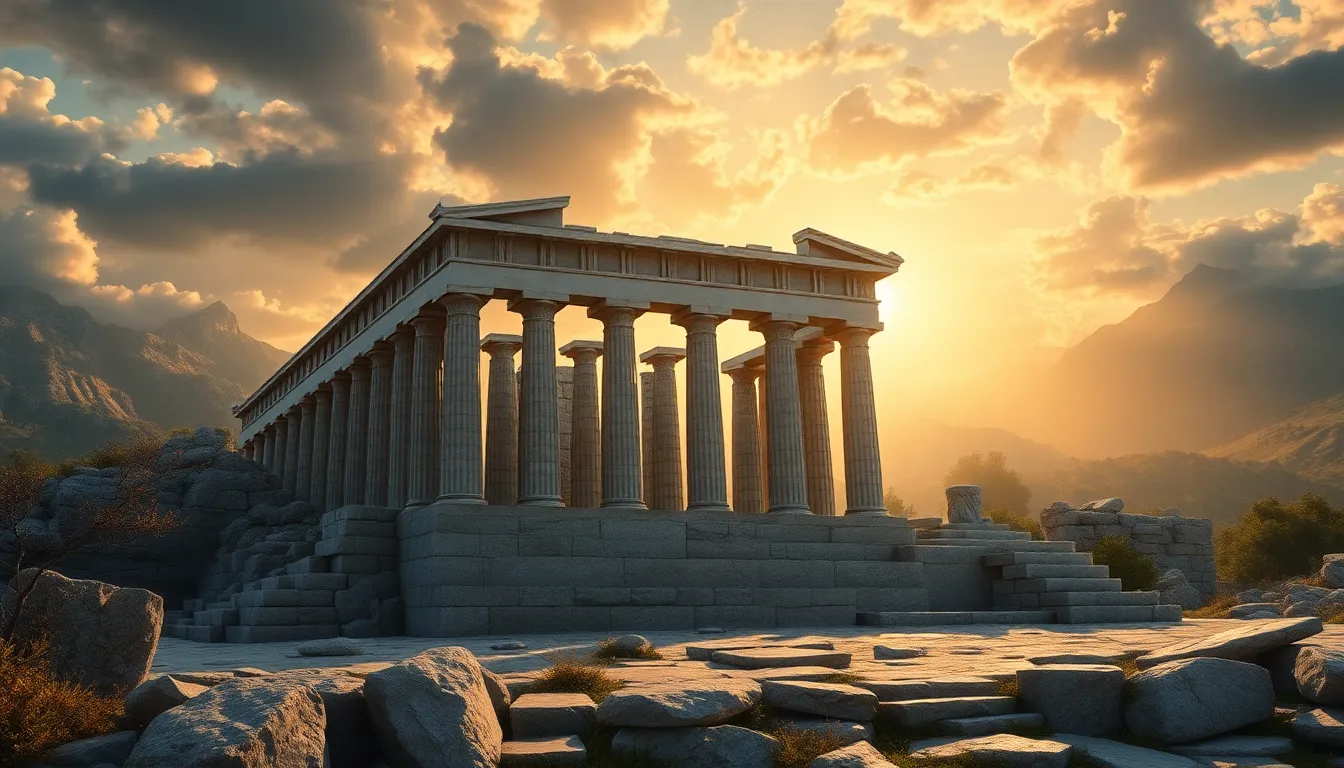
Delphi was revered as a sacred sanctuary dedicated to Apollo, the god of prophecy, music, and healing. The site was believed to be the location where the earth’s energies converged, making it a focal point for divine communication. The ancient Greeks constructed monumental temples and structures, including the famous Temple of Apollo, to honor the god and facilitate the oracular practices that became synonymous with Delphi.
B. The role of the Pythia and the Delphic Oracle in Greek society
The Pythia, the high priestess of the Temple of Apollo, served as the Oracle of Delphi. She was believed to enter a trance-like state, inhaling vapors from a chasm in the earth, which allowed her to deliver cryptic prophecies. These pronouncements were sought by individuals and city-states alike, influencing decisions in warfare, politics, and personal matters. The Oracle’s enigmatic advice often left room for interpretation, making it both a source of guidance and ambiguity.
III. The Birth of Apollo and the Establishment of Delphi
A. The myth of Apollo’s defeat of the serpent Python
The establishment of Delphi as a center of prophecy is intricately linked to the myth of Apollo’s birth. According to legend, Apollo was born on the island of Delos and, shortly after, sought to establish his dominion over the sacred site. He encountered Python, a monstrous serpent that guarded the oracle of Gaia. In a fierce battle, Apollo defeated Python, asserting his authority and taking over the sanctuary. This victory marked the transformation of Delphi into a site of divine prophecy.
B. The significance of Apollo’s sanctuary and its connection to prophecy
Following his triumph, Apollo built the Temple of Delphi, where the Oracle would later reside. The sanctuary became a place of pilgrimage for those seeking wisdom and insight. The rituals performed there, including the famed Pythian Games, highlighted the importance of Delphi in Greek culture, further establishing Apollo’s status as the god of light and prophecy.
IV. The Legend of the Oracle: Sibyls and Prophecies
A. The role of Sibyls in Delphic prophecies
In addition to the Pythia, other prophetic figures known as Sibyls emerged in various regions, often associated with different oracular sites. Sibyls were believed to possess the gift of foresight and delivered prophecies in poetic verses. Their interactions with the Delphic Oracle enriched the tapestry of Greek myth and underscored the widespread belief in divine communication through chosen intermediaries.
B. Famous prophecies and their impact on key historical figures
Numerous famous prophecies issued by the Oracle of Delphi had significant impacts on historical events and figures, including:
- Croesus: The wealthy king of Lydia, Croesus consulted the Oracle before going to war, receiving a cryptic message that he would destroy a great empire. He interpreted this as a sign of victory, only to find that he was the one whose empire was destroyed.
- Oedipus: The tragic hero Oedipus sought the Oracle’s guidance to escape his fate, only to inadvertently fulfill the prophecy of killing his father and marrying his mother.
- Alexander the Great: Alexander consulted the Oracle before embarking on his conquests, receiving blessings that bolstered his confidence and ambition.
V. The Interactions Between Gods and Mortals
A. Notable stories of mortals seeking guidance from the Oracle
The Oracle of Delphi was frequented by many notable figures, each seeking guidance for their personal and political dilemmas. The stories of these encounters often illustrate the complexities of human motivations and the unpredictable nature of divine advice:
- Theseus: Before embarking on his journey to confront the Minotaur, Theseus sought the Oracle’s wisdom to ensure his success.
- Agamemnon: The leader of the Greek forces in the Trojan War consulted the Oracle, whose advice played a crucial role in the war’s outcome.
B. Consequences of divine advice and the interplay of fate and free will
While the Oracle offered guidance, the outcomes of these consultations often highlighted the tension between fate and free will. Mortals, despite their divine insights, were frequently unable to escape their destinies, leading to tragic consequences. This interplay raises profound questions about the nature of human agency and the extent to which individuals can shape their own futures.
VI. The Myths of Tragedy and Hubris
A. Tales of tragic heroes who consulted the Oracle (e.g., Oedipus)
Many Greek tragedies revolve around the theme of characters seeking the Oracle’s counsel, only to find themselves ensnared in their own tragic fates. The story of Oedipus serves as a prime example; despite his efforts to avoid his foretold destiny, his tragic flaws and actions lead him directly to its fulfillment. Similarly, characters like Agamemnon and Ajax face dire consequences rooted in their interactions with the divine.
B. The theme of hubris in relation to divine will and mortal actions
Hubris, or excessive pride, often plays a critical role in these tragedies. Characters who attempt to defy the will of the gods or who overestimate their own abilities frequently meet with disastrous ends. The myths serve as cautionary tales about the dangers of hubris and the importance of humility in the face of divine power.
VII. The Cultural Legacy of Delphi’s Myths
A. Influence of Delphic myths on literature and art throughout history
The myths of Delphi have had a profound influence on literature, art, and philosophy throughout the ages. The themes of prophecy, fate, and the human condition resonate across centuries, inspiring works by playwrights such as Sophocles and Euripides, as well as poets like Pindar. Artists throughout history have depicted scenes from these myths, capturing the drama and emotion of the stories.
B. Modern interpretations and adaptations of these ancient stories
In contemporary culture, the myths of Delphi continue to inspire adaptations in various forms, including literature, theater, and film. Modern interpretations often reflect current societal values and concerns, exploring themes of fate, morality, and the quest for knowledge. The enduring nature of these myths speaks to their universal relevance and the timeless questions they raise about the human experience.
VIII. Conclusion
The myths of Delphi, rich in symbolism and meaning, continue to captivate the imagination of people around the world. They serve as powerful narratives that explore the complexities of life, the role of the divine, and the eternal struggle between fate and free will. As we reflect on these ancient stories, we are reminded of their relevance in contemporary discussions about morality, spirituality, and the human condition. The legacy of Delphi endures, a testament to the profound impact of myth on our understanding of ourselves and the world around us.