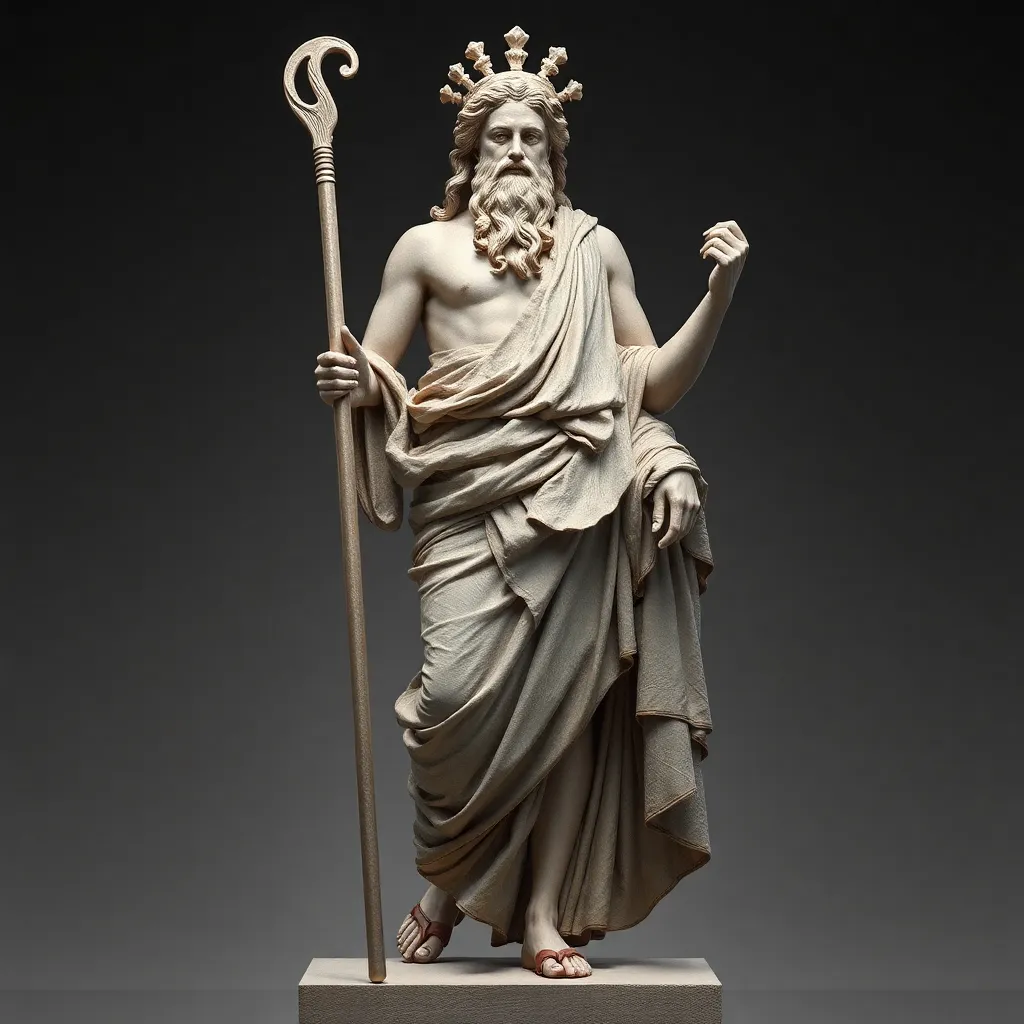
The Myths of Hephaestus and His Influence on Fashion
I. Introduction
In the rich tapestry of Greek mythology, Hephaestus stands out as a unique figure, embodying the duality of creation and imperfection. As the god of fire and craftsmanship, Hephaestus is revered not only for his divine abilities but also for his profound influence on culture and art. This article delves into the myths surrounding Hephaestus and explores how his legacy has shaped the world of fashion, both in ancient times and today.
II. The Origins of Hephaestus
Hephaestus was born to Hera, the queen of the gods, and, in some versions of the myth, Zeus, the king of the gods. Unlike most deities, Hephaestus was not born from an immaculate conception; rather, his birth was marked by controversy. Hera, disappointed by his physical appearance, is said to have thrown him from Mount Olympus, resulting in his disabilities.
His physical attributes are often described in stark contrast to the idealized forms of other gods. He was depicted as lame and deformed, which only deepened his character’s complexity and significance in mythological narratives. Despite these challenges, Hephaestus became a symbol of resilience, showcasing that beauty and power can emerge from imperfection.
III. Hephaestus in Mythology
Hephaestus is central to many key myths in Greek mythology. Some of the most notable include:
- Marriage to Aphrodite: Hephaestus was married to the goddess of love and beauty, Aphrodite. This union, though fraught with infidelity, symbolizes the balance between creativity and desire.
- Creation of Pandora: Hephaestus was tasked with crafting Pandora, the first woman, who was gifted with beauty and curiosity, but also brought misfortune to humanity.
- Crafting of Weapons and Armor: Hephaestus created glorious weapons and armor for gods and heroes, including Achilles’ shield and the armor of the gods in the Trojan War.
The symbolism of his creations often reflects cultural values such as strength, beauty, and the dual nature of craftsmanship, merging utility with artistry.
IV. Hephaestus as a Symbol of Creativity and Innovation
Hephaestus represents the intersection of artistry and craftsmanship. His myths celebrate not only the act of creation but also the perseverance required to overcome obstacles. He is often depicted as working tirelessly in his forge, a metaphor for innovation and creativity.
The themes of resilience and resourcefulness in his stories resonate deeply with the ancient Greeks, who viewed artisans as crucial contributors to society. They recognized that craftsmanship was not merely a trade but an art form that could elevate the mundane to the extraordinary.
V. The Intersection of Myth and Fashion
Throughout history, Hephaestus has been represented in various forms of art and literature, influencing the aesthetic sensibilities of different cultures. His association with fire and craftsmanship has inspired artistic depictions that celebrate the beauty of creation.
In ancient Greece, the influence of Hephaestus can be seen in the fashion and attire of the time. The use of intricate metalwork, embroidery, and fabric design drew inspiration from his mythological narratives:
- Jewelry and adornments often featured motifs reminiscent of Hephaestus’s forge.
- Garments were crafted with a focus on both functionality and artistry, mirroring the qualities of Hephaestus himself.
In contemporary fashion, the legacy of Hephaestus continues to inspire designers who seek to blend traditional craftsmanship with modern aesthetics.
VI. Modern Fashion Designers Inspired by Hephaestus
Numerous fashion designers have drawn inspiration from the myths of Hephaestus, infusing their collections with themes of craftsmanship and fire. Some notable examples include:
- Alexander McQueen: Known for his theatrical designs, McQueen often incorporated elements of mythology and craftsmanship, reflecting the duality of beauty and brutality.
- Isabel Marant: Marant’s collections frequently feature intricate detailing and artisanal techniques, echoing the spirit of Hephaestus.
- Rick Owens: With his avant-garde style, Owens captures the essence of raw creativity, reminiscent of Hephaestus’s forge.
Each of these designers exemplifies how Hephaestus’s influence can manifest in fashion, showcasing the importance of craftsmanship and artistry in modern design.
VII. The Legacy of Hephaestus in Contemporary Culture
Hephaestus’s legacy continues to resonate within the fashion industry today. His influence is evident in the growing appreciation for handmade and artisanal pieces, as consumers increasingly value the skill and creativity behind clothing and accessories.
Moreover, the ongoing relevance of Hephaestus’s myths in artistic expression underscores the timeless nature of these stories. Modern fashion often reinterprets ancient craftsmanship, celebrating the artistry that has transcended generations.
As designers embrace sustainability and ethical practices, the spirit of Hephaestus is revived, reminding us of the importance of creativity and innovation in our everyday lives.
VIII. Conclusion
Hephaestus holds a significant place in both mythology and fashion. His stories of resilience, creativity, and craftsmanship have left an indelible mark on cultural expressions throughout history. As we explore the connections between myth and personal style, we are encouraged to embrace the spirit of Hephaestus in our own lives—celebrating the beauty of creation and the artistry that surrounds us.
In conclusion, the enduring legacy of Hephaestus serves as a reminder that inspiration can be found in the most unexpected places, and that the myths we cherish continue to shape our understanding of creativity and fashion today.